


Are monocrystalline solar panels worth it? This is a question that many homeowners, businesses, and energy enthusiasts often struggle with when considering solar energy solutions. As a supplier of monocrystalline solar panels, I've had the privilege of witnessing firsthand the numerous benefits and potential drawbacks of these advanced energy technologies. In this blog post, I'll delve into the intricacies of monocrystalline solar panels, exploring their efficiency, durability, cost, and environmental impact to help you determine if they're the right choice for your energy needs.
Understanding Monocrystalline Solar Panels
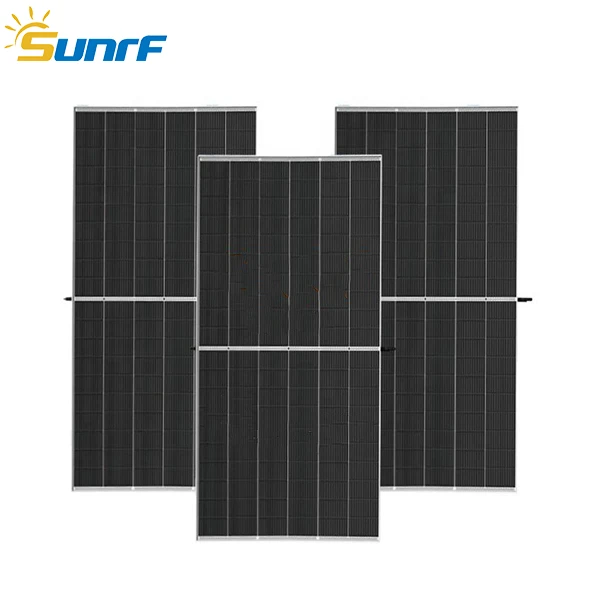
Before we can assess the value of monocrystalline solar panels, it's essential to understand how they work and what sets them apart from other types of solar panels. Monocrystalline solar panels are made from a single, pure crystal of silicon, which gives them a distinctive black color and a uniform appearance. This manufacturing process results in a highly efficient solar panel that can convert a greater percentage of sunlight into electricity compared to other types of solar panels, such as polycrystalline or thin-film panels.
The efficiency of a solar panel is measured by its ability to convert sunlight into electricity, and monocrystalline solar panels typically have an efficiency rating of between 18% and 22%, although some high-end models can achieve efficiencies of up to 24%. This means that for every 100 watts of sunlight that hits a monocrystalline solar panel, it can convert between 18 and 24 watts of that sunlight into usable electricity. In contrast, polycrystalline solar panels typically have an efficiency rating of between 15% and 17%, while thin-film solar panels have an efficiency rating of between 10% and 13%.
Efficiency and Performance
One of the primary advantages of monocrystalline solar panels is their high efficiency, which means they can generate more electricity per square foot than other types of solar panels. This makes them an ideal choice for installations where space is limited, such as on rooftops or in urban areas. Additionally, monocrystalline solar panels perform better in low-light conditions and at high temperatures than other types of solar panels, which means they can continue to generate electricity even on cloudy days or in hot climates.
Another factor that contributes to the efficiency of monocrystalline solar panels is their ability to maintain their performance over time. Unlike some other types of solar panels, which can experience a significant drop in efficiency over the course of their lifespan, monocrystalline solar panels are designed to maintain their performance for up to 25 years or more. This means that you can expect to get a reliable and consistent source of electricity from your monocrystalline solar panels for many years to come.
Durability and Longevity
In addition to their high efficiency, monocrystalline solar panels are also known for their durability and longevity. They are typically made from high-quality materials that are designed to withstand the elements, including rain, snow, hail, and extreme temperatures. This means that they can continue to generate electricity even in harsh weather conditions, which makes them a reliable choice for installations in areas with unpredictable weather patterns.
Most monocrystalline solar panels come with a warranty of between 20 and 25 years, which provides you with peace of mind knowing that your investment is protected. Additionally, many manufacturers offer extended warranties or performance guarantees, which can further enhance the value of your monocrystalline solar panels.
Cost and Return on Investment
One of the main concerns that many people have when considering solar energy is the cost. While it's true that monocrystalline solar panels can be more expensive upfront than other types of solar panels, they also offer a higher return on investment over the long term. This is because their high efficiency and durability mean that they can generate more electricity over their lifespan, which can result in significant savings on your energy bills.
In addition to the savings on your energy bills, there are also a number of financial incentives available for homeowners and businesses that install solar energy systems. These incentives can include tax credits, rebates, and grants, which can help to offset the cost of installing a solar energy system and make it more affordable.
When considering the cost of monocrystalline solar panels, it's important to look at the total cost of ownership over the lifespan of the system. This includes the cost of the panels, the installation costs, the maintenance costs, and the savings on your energy bills. By taking all of these factors into account, you can get a better understanding of the true cost of installing a solar energy system and whether it's a worthwhile investment for you.

Environmental Impact
Another important factor to consider when evaluating the value of monocrystalline solar panels is their environmental impact. Solar energy is a clean and renewable source of energy that produces no greenhouse gas emissions or other pollutants. By installing a solar energy system, you can reduce your carbon footprint and help to protect the environment for future generations.
In addition to the environmental benefits of solar energy, there are also a number of social and economic benefits associated with the use of renewable energy. These benefits can include job creation, energy independence, and the development of local economies. By investing in solar energy, you can not only help to protect the environment but also contribute to the growth and development of your community.
Our Product Offerings
As a supplier of monocrystalline solar panels, we offer a wide range of high-quality products to meet the needs of our customers. Our 182mm Mono Cell 540-550W Solar Panel is a popular choice for homeowners and businesses that are looking for a high-efficiency solar panel that can generate a significant amount of electricity. This panel features a large 182mm mono cell and a power output of between 540 and 550 watts, making it one of the most powerful solar panels on the market.
We also offer a 550W-750W High Efficiency Solar Panel that is designed for commercial and industrial applications. This panel features a high efficiency rating of up to 22% and a power output of between 550 and 750 watts, making it an ideal choice for large-scale solar energy installations.
Conclusion
In conclusion, monocrystalline solar panels are a worthwhile investment for homeowners, businesses, and energy enthusiasts who are looking for a high-efficiency, durable, and environmentally friendly source of energy. While they may be more expensive upfront than other types of solar panels, their high efficiency and long lifespan mean that they can offer a higher return on investment over the long term. Additionally, the financial incentives and environmental benefits associated with solar energy make it an attractive option for those who are looking to reduce their energy costs and protect the environment.
If you're interested in learning more about our monocrystalline solar panels or would like to discuss your energy needs with one of our experts, please don't hesitate to contact us. We would be happy to help you find the right solar energy solution for your home or business.
References
- "Solar Photovoltaic Technology Basics." U.S. Department of Energy.
- "Monocrystalline vs. Polycrystalline Solar Panels: What's the Difference?" EnergySage.
- "The Environmental Benefits of Solar Energy." National Renewable Energy Laboratory.


