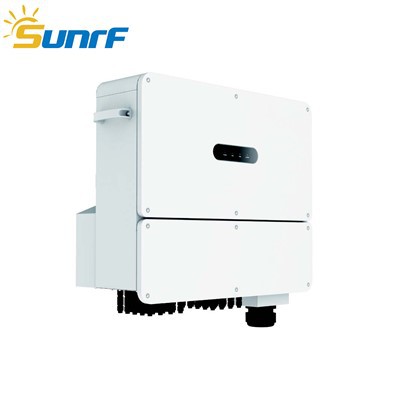
Can a string inverter be installed outdoors? That's a question I get quite often from my customers, and as a string inverter supplier, I'm here to break it down for you.
First off, let's talk about what a string inverter is. It's a crucial piece of equipment in a solar power system. It takes the direct current (DC) that's produced by your solar panels and converts it into alternating current (AC), which is the type of electricity used in most homes and businesses.
Now, the big question: can you install it outdoors? The short answer is yes, you can. But there are a bunch of things you need to think about before you go ahead and do it.
Advantages of Outdoor Installation
One major plus of outdoor installation is the convenience it offers. When you put the string inverter outside, you can place it close to the solar panels. This reduces the length of the DC cables that connect the panels to the inverter. Shorter cables mean less power loss, and that's a win for your overall system efficiency.
Another advantage is the ventilation. Outdoors, the inverter can benefit from natural airflow. This helps in keeping the inverter cool, which is super important. Inverters generate heat when they're working, and if they get too hot, their performance can take a nosedive. Natural ventilation helps to dissipate that heat, ensuring that the inverter runs at an optimal temperature.
Factors to Consider
But, like I said, there are a few things to keep in mind. The first one is the weather. You've got to think about the climate in your area. If you live in a place where it rains a lot, snows heavily, or has extreme heat or cold, you need to make sure the inverter can handle it.
Most modern string inverters are built to be weather-resistant. They come with an Ingress Protection (IP) rating, which tells you how well the device can withstand dust and water. For outdoor installation, you'll want an inverter with a high IP rating. An IP65 rating, for example, means the inverter is dust-tight and can withstand low-pressure water jets from any direction.
UV radiation is another factor. The sun's rays can be pretty harsh, and over time, they can damage the inverter's casing and internal components. Look for an inverter that has a UV-resistant coating. This will help protect it from the sun's harmful rays and extend its lifespan.
Physical protection is also key. You don't want the inverter to be easily accessible to animals, vandals, or even accidental damage. You might need to install a protective enclosure around the inverter to keep it safe.
Our String Inverter Offerings
At our company, we offer a range of string inverters that are suitable for outdoor installation. Take our Three Phase String Inverter for example. It's designed to be rugged and durable, with a high IP rating that makes it perfect for outdoor use. It can handle a variety of weather conditions, from scorching summers to freezing winters.
The Sunny Island 6KW Inverter is another great option. It's not only efficient but also built to last. With advanced cooling technology, it can maintain optimal performance even in high-temperature environments.
And then there's our Solar Inverter SUNAL. This inverter is known for its reliability and ease of installation. It's equipped with all the necessary features to ensure it can operate smoothly outdoors.
Installation Tips
If you've decided to install the string inverter outdoors, here are some tips to make the process go smoothly.


First, choose the right location. Make sure it's a spot that's easily accessible for maintenance and inspection. It should also be away from any sources of heat, like air conditioning units or direct sunlight for extended periods.
When you're mounting the inverter, follow the manufacturer's instructions carefully. Use the right mounting hardware and make sure the inverter is securely attached.
After installation, it's a good idea to do a thorough check. Make sure all the connections are tight and there are no signs of damage. You should also test the inverter to ensure it's working properly.
Maintenance
Regular maintenance is essential for the long-term performance of your outdoor string inverter. Check the inverter regularly for any signs of wear and tear, such as cracks in the casing or loose connections.
Clean the inverter periodically to remove any dust or debris that might have accumulated on it. You can use a soft, dry cloth to wipe it down.
If you notice any issues, don't hesitate to contact a professional. It's better to address problems early on before they turn into major headaches.
Conclusion
So, to sum it up, a string inverter can definitely be installed outdoors. There are some challenges, but with the right inverter and proper installation and maintenance, you can enjoy a reliable and efficient solar power system.
If you're interested in our string inverters or have any questions about installation, maintenance, or anything else related to solar power, don't hesitate to reach out. We're here to help you make the most of your solar investment. Contact us today to start a conversation about your specific needs and find the perfect string inverter for your outdoor installation.
References
- Solar Energy Industries Association. (Year). Best Practices for Solar Inverter Installation.
- National Renewable Energy Laboratory. (Year). Technical Report on String Inverter Performance in Outdoor Environments.