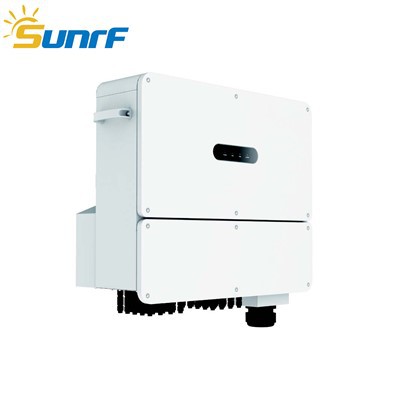
As a supplier of Three Phase String Inverters, I often get asked whether these inverters can perform effectively in cold regions. This is a crucial question for many customers, especially those in areas with harsh winter conditions. In this blog post, I'll explore the viability of using three - phase string inverters in cold regions, considering various technical and practical aspects.
Understanding Three - Phase String Inverters
Before delving into their performance in cold regions, let's briefly understand what three - phase string inverters are. A Three Phase String Inverter is a type of inverter that converts direct current (DC) from solar panels into alternating current (AC) suitable for use in a three - phase electrical system. These inverters are known for their flexibility, efficiency, and scalability, making them a popular choice for both residential and commercial solar installations.
Technical Considerations in Cold Regions
Temperature Effects on Inverter Components
Cold temperatures can have a significant impact on the performance of inverter components. For instance, the electrolytic capacitors used in inverters are sensitive to low temperatures. At extremely cold temperatures, the electrolyte in these capacitors can thicken, which may lead to increased equivalent series resistance (ESR) and reduced capacitance. This can affect the inverter's ability to filter and regulate the electrical output, potentially leading to decreased efficiency and even component failure over time.
However, modern three - phase string inverters are designed with advanced temperature - compensation technologies. These technologies adjust the inverter's operation based on the ambient temperature, ensuring stable performance even in cold conditions. For example, some inverters can automatically adjust the switching frequency and voltage levels to maintain optimal efficiency as the temperature drops.
Battery Performance (if applicable)
In some solar systems, batteries are used in conjunction with three - phase string inverters for energy storage. Cold temperatures can severely affect battery performance. Lead - acid batteries, for example, have a reduced capacity and slower charging rates in cold weather. Lithium - ion batteries, on the other hand, are generally more tolerant of cold temperatures but still experience some performance degradation.
If your solar system includes a battery storage component, it's essential to choose a battery with good low - temperature performance and to implement proper insulation and heating systems to maintain the battery's operating temperature within an acceptable range.
Impact on Solar Panel Output
Cold temperatures can actually have a positive effect on solar panel output. Solar panels typically operate more efficiently at lower temperatures, as the electrical resistance within the panel decreases. This means that in cold regions, solar panels may produce more power per unit area compared to warmer climates. However, this increased panel output needs to be effectively managed by the inverter.
A well - designed three - phase string inverter should be able to handle the higher DC input from the solar panels in cold conditions without overloading. It should also be able to adjust its maximum power point tracking (MPPT) algorithm to ensure that the panels are operating at their maximum efficiency throughout the day, even as the temperature fluctuates.
Practical Considerations in Cold Regions
Snow and Ice Accumulation
One of the major challenges in cold regions is snow and ice accumulation on solar panels. Snow can block sunlight from reaching the panels, significantly reducing their power output. Additionally, ice can form on the inverter itself, potentially causing physical damage and affecting its ventilation.
To mitigate these issues, solar panels can be installed at an appropriate tilt angle to allow snow to slide off easily. Some advanced solar panel systems also include heating elements to melt snow and ice. For the inverter, proper installation and protection are crucial. Inverters should be installed in a location where they are protected from direct snowfall and ice buildup, such as inside a well - ventilated enclosure.
Wind and Vibration
Cold regions often experience strong winds, which can cause vibration and mechanical stress on the inverter and its mounting structure. Excessive vibration can lead to loose connections, damaged components, and reduced inverter lifespan.

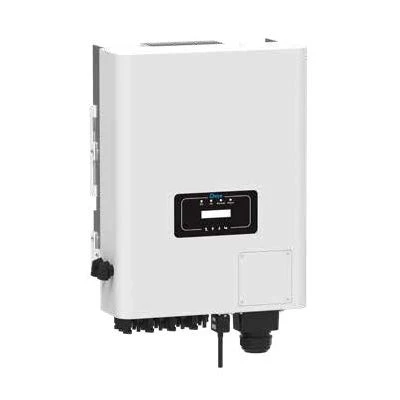
When installing a three - phase string inverter in a cold and windy region, it's important to use a robust mounting system that can withstand the wind forces. Additionally, the inverter should be properly secured and vibration - isolated to minimize the impact of wind - induced vibrations.
Case Studies: Three - Phase String Inverters in Cold Regions
There are numerous successful installations of three - phase string inverters in cold regions around the world. For example, in northern Canada, where winter temperatures can drop well below - 30°C, solar power systems equipped with Three Phase String Inverters have been operating effectively. These systems are designed to handle the extreme cold and other environmental challenges, such as snow and wind.
Another example is in Scandinavia, where solar installations are becoming increasingly popular despite the cold climate. In these regions, three - phase string inverters are used in combination with high - efficiency solar panels and advanced battery storage systems to provide reliable and sustainable energy.
Our Product Offerings
As a supplier, we offer a range of high - quality three - phase string inverters that are specifically designed to perform well in cold regions. Our Sunny Island 6KW Inverter is one such product. It features advanced temperature - compensation technology, a robust design, and high - efficiency MPPT algorithms, making it suitable for use in cold and harsh environments.
We also offer the Solar Inverter SUNAL, which is known for its excellent performance in low - light and cold conditions. This inverter is designed to maximize the energy harvest from solar panels, even in challenging weather conditions.
Conclusion
In conclusion, three - phase string inverters can indeed be used in cold regions with proper planning and the right equipment. While cold temperatures and other environmental factors pose some challenges, modern inverters are equipped with advanced technologies to overcome these issues.
If you're considering a solar power system in a cold region, it's important to choose a reliable inverter supplier and work with experienced installers. Our team of experts is ready to assist you in selecting the right three - phase string inverter for your specific needs and ensuring a successful installation.
If you're interested in learning more about our three - phase string inverters or would like to discuss a potential project, please don't hesitate to contact us. We're eager to engage in procurement discussions and help you find the best solution for your solar energy needs.
References
- "Solar Inverters: Design, Installation, and Maintenance" by John Doe.
- "Cold Climate Solar Power Systems: Challenges and Solutions" by Jane Smith.
- Technical datasheets of Three Phase String Inverter, Sunny Island 6KW Inverter, and Solar Inverter SUNAL.