


Hey there, solar energy enthusiasts! As a supplier of the Solar Inverter SUNAL, I often get asked a bunch of questions about these inverters, and one that pops up quite a bit is, "Can the Solar Inverter SUNAL be connected in parallel?" Well, let's dive right into this topic and find out.
First off, let's quickly go over what parallel connection means in the context of solar inverters. When you connect inverters in parallel, you're essentially linking them together so that they work as a team to convert DC (direct current) power from your solar panels into AC (alternating current) power that can be used in your home or fed back into the grid. This setup can be super useful, especially if you have a large solar power system and need more inverter capacity.
Now, getting back to our main question - can the Solar Inverter SUNAL be connected in parallel? The short answer is yes, in most cases, the Solar Inverter SUNAL can be connected in parallel. But, like with anything in the world of solar energy, there are some things you need to keep in mind.
Compatibility and Requirements
One of the most important factors when connecting inverters in parallel is compatibility. The Solar Inverter SUNAL is designed to be compatible with other inverters of the same or similar specifications. This means that if you're planning to connect multiple SUNAL inverters in parallel, they should have the same voltage and frequency ratings. For example, if one inverter is rated for 240V and 50Hz, the others you connect in parallel should also have these same ratings.
Another requirement is that the inverters should have proper communication protocols. The Solar Inverter SUNAL comes with advanced communication features that allow it to communicate with other inverters in a parallel setup. This communication is crucial because it helps the inverters to coordinate their operation, ensuring that they share the load evenly and work efficiently together.
Benefits of Parallel Connection
There are several benefits to connecting the Solar Inverter SUNAL in parallel. One of the biggest advantages is increased power output. By connecting multiple inverters, you can significantly boost the overall power capacity of your solar power system. This is great if you have a large number of solar panels or if you're looking to expand your system in the future.
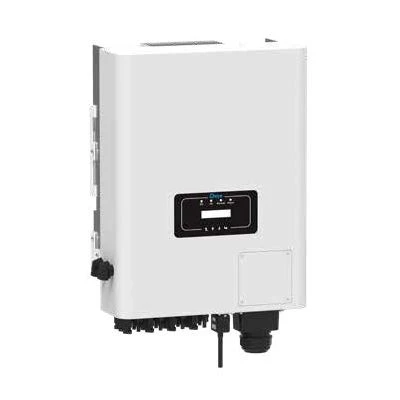

Parallel connection also provides redundancy. If one inverter fails, the others can continue to operate, ensuring that your solar power system doesn't go completely offline. This can give you peace of mind, knowing that your energy supply is more reliable.
Installation and Setup
Installing and setting up the Solar Inverter SUNAL in a parallel configuration requires some technical knowledge. It's always a good idea to have a professional solar installer handle the installation. They'll make sure that all the inverters are properly connected, grounded, and configured.
During the setup process, the installer will need to configure the communication settings between the inverters. This involves setting up the correct addresses and parameters so that the inverters can communicate effectively. Once the setup is complete, the inverters should start working together seamlessly.
Real - World Examples
Let's take a look at some real - world scenarios where parallel connection of the Solar Inverter SUNAL can be beneficial. Imagine you have a commercial building with a large rooftop solar panel installation. The building has a high energy demand, and a single inverter might not be able to handle the load. By connecting multiple Solar Inverter SUNAL units in parallel, you can meet the building's energy needs more effectively.
Another example is in a residential off - grid solar system. If you live in a remote area and rely on solar power for all your energy needs, having multiple inverters connected in parallel can provide a more stable and reliable power supply. You can also add more inverters as your energy consumption grows over time.
Comparing with Other Inverters
There are many different types of solar inverters on the market, such as the Three Phase String Inverter and the Sunny Island 6KW Inverter. While these inverters also have their own advantages, the Solar Inverter SUNAL offers some unique features when it comes to parallel connection.
The SUNAL inverter has a user - friendly interface that makes it easier to configure and monitor the parallel setup. It also has a high level of efficiency, which means that you can get more power out of your solar panels when using multiple SUNAL inverters in parallel.
Precautions
Even though the Solar Inverter SUNAL can be connected in parallel, there are some precautions you need to take. Make sure to follow the manufacturer's instructions carefully during installation and setup. Overloading the inverters can cause them to overheat and fail, so always make sure that the total load is within the capacity of the inverters.
Regular maintenance is also important. Check the inverters periodically for any signs of damage or malfunction. Keep the area around the inverters clean and well - ventilated to prevent overheating.
Conclusion
So, to sum it up, the Solar Inverter SUNAL can definitely be connected in parallel, and it offers many benefits such as increased power output and redundancy. However, it's important to ensure compatibility, follow the proper installation and setup procedures, and take the necessary precautions.
If you're interested in learning more about the Solar Inverter SUNAL or are thinking about a parallel connection for your solar power system, I'd love to have a chat with you. Whether you're a homeowner looking to go solar or a business owner planning a large - scale installation, we can work together to find the best solution for your needs. Just reach out, and we can start the procurement and installation process. You can visit our Solar Inverter SUNAL page for more detailed information.
References
- Solar Energy Handbook: A Guide to Solar Power Systems, various authors
- Manufacturer's Manual for Solar Inverter SUNAL


