


As a supplier of the Solar Inverter SUNAL, I often encounter inquiries from customers about whether this solar inverter has a backup function. This is a crucial question, especially for those who rely on solar energy for a stable power supply. In this blog post, I'll delve into the details of the Solar Inverter SUNAL and its backup capabilities.
Understanding the Basics of Solar Inverters
Before we discuss the backup function of the Solar Inverter SUNAL, it's essential to understand what a solar inverter does. A solar inverter is a key component in a solar power system. Its primary function is to convert the direct current (DC) electricity generated by solar panels into alternating current (AC) electricity, which is the type of electricity used in most homes and businesses.
There are different types of solar inverters available in the market, each with its own set of features and applications. For instance, the Three Phase String Inverter is designed for larger commercial and industrial solar installations, while the Sunny Island 6KW Inverter is suitable for medium - sized residential and small commercial setups.
The Solar Inverter SUNAL: An Overview
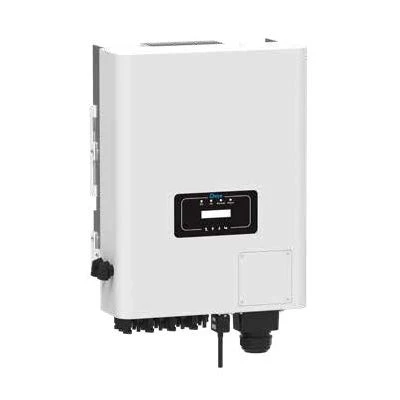
The Solar Inverter SUNAL is a state - of - the - art solar inverter that offers a range of advanced features. It is known for its high efficiency, reliability, and intelligent control systems. The inverter is designed to work seamlessly with solar panels, maximizing the energy conversion from sunlight to usable electricity.
One of the significant advantages of the Solar Inverter SUNAL is its compatibility with various types of solar panels. Whether you have monocrystalline, polycrystalline, or thin - film solar panels, the SUNAL inverter can optimize the power output. It also has a wide input voltage range, which means it can operate efficiently under different sunlight conditions.
Backup Function of the Solar Inverter SUNAL
Now, let's address the main question: Does the Solar Inverter SUNAL have a backup function? The answer is yes, but with some important considerations.
The Solar Inverter SUNAL can be configured to work with a battery storage system to provide backup power. When the solar panels are generating more electricity than is being consumed, the excess energy can be stored in the batteries. During periods when there is no sunlight, such as at night or during cloudy days, or in the event of a power grid outage, the stored energy in the batteries can be used to power the connected loads.
The backup function of the Solar Inverter SUNAL is controlled by an intelligent management system. This system monitors the power generation, consumption, and battery status in real - time. It can automatically switch between the grid power, solar power, and battery power based on the available energy sources and the power demand.
For example, during the day, when the solar panels are producing sufficient electricity, the inverter will first use the solar power to meet the load requirements. Any surplus energy will be directed to charge the batteries. If the solar power is not enough to meet the demand, the inverter will draw power from the grid. In case of a grid outage, the inverter will immediately switch to the battery power, ensuring a continuous power supply to the critical loads.
Advantages of the Backup Function
The backup function of the Solar Inverter SUNAL offers several advantages. Firstly, it provides energy independence. Homeowners and businesses can reduce their reliance on the power grid, especially in areas where the grid is unreliable or where electricity costs are high.
Secondly, it enhances the overall efficiency of the solar power system. By storing the excess energy, the system can make full use of the solar energy generated, rather than wasting it. This not only saves money but also contributes to a more sustainable energy future.
Thirdly, the backup function ensures a stable power supply during emergencies. In the event of a natural disaster or a power outage, the critical appliances such as refrigerators, lights, and communication devices can continue to operate, providing comfort and safety.

Considerations for Implementing the Backup Function
While the backup function of the Solar Inverter SUNAL is a great feature, there are some considerations when implementing it.
The first consideration is the battery storage system. The type, capacity, and quality of the batteries will significantly affect the performance of the backup function. Lithium - ion batteries are a popular choice due to their high energy density, long lifespan, and low self - discharge rate. However, they are also more expensive compared to other types of batteries such as lead - acid batteries.
Another consideration is the installation and maintenance of the system. Proper installation is crucial to ensure the safety and efficiency of the backup system. It is recommended to hire a professional installer who has experience in solar power systems and battery storage. Regular maintenance is also required to keep the batteries and the inverter in good working condition.
Conclusion
In conclusion, the Solar Inverter SUNAL does have a backup function when configured with a suitable battery storage system. This backup function offers numerous benefits, including energy independence, increased efficiency, and a stable power supply during emergencies.
If you are interested in the Solar Inverter SUNAL and its backup capabilities, I encourage you to reach out to me for more information. We can discuss your specific energy needs, the best configuration for your solar power system, and the associated costs. Whether you are a homeowner looking to reduce your electricity bills or a business owner aiming for a more sustainable energy solution, the Solar Inverter SUNAL could be the right choice for you. Let's start a conversation about how we can work together to meet your energy goals.
References
- Solar Energy International. (2023). Solar Inverter Basics.
- International Renewable Energy Agency. (2023). Battery Storage for Renewable Energy Systems.


