


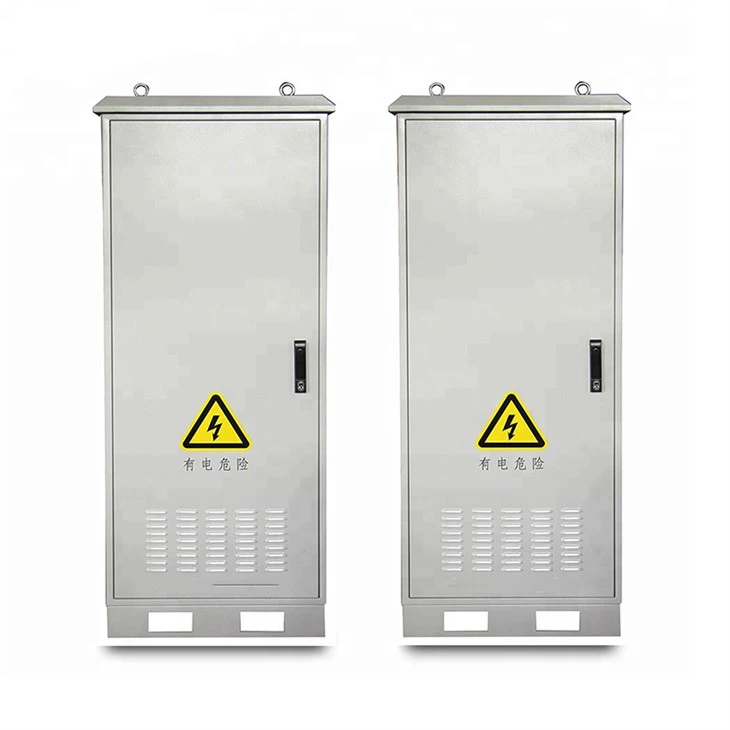
When it comes to the telecommunications industry, ensuring a stable and efficient power supply is crucial for the seamless operation of base stations and other telecom equipment. A Telecom Power Cabinet plays a vital role in this regard, serving as a centralized unit that houses power conversion, distribution, and management components. As a Telecom Power Cabinet supplier, I understand the importance of choosing the right cabinet based on power consumption. In this blog post, I will share some key considerations to help you make an informed decision.
Understanding Power Consumption
Before delving into the selection process, it is essential to have a clear understanding of the power consumption requirements of your telecom equipment. This involves assessing the total power load, including both the continuous and peak power demands. Continuous power consumption refers to the average power required by the equipment over an extended period, while peak power consumption represents the maximum power needed during short bursts of high activity.
To accurately determine the power consumption, you can refer to the technical specifications provided by the equipment manufacturers. These specifications typically include information such as the rated power, operating voltage, and current requirements. Additionally, you may need to consider factors such as the number of devices connected to the power cabinet, the duty cycle of the equipment, and any future expansion plans.
Calculating Power Requirements
Once you have a clear understanding of the power consumption, the next step is to calculate the total power requirements for your Telecom Power Cabinet. This involves adding up the power consumption of all the connected devices and factoring in any additional power losses due to inefficiencies in the power conversion and distribution process.
To calculate the total power requirements, you can use the following formula:

Total Power (Watts) = Sum of Individual Device Power Ratings + Power Losses
Power losses can vary depending on the type of power conversion technology used, the quality of the components, and the operating conditions. As a general rule of thumb, it is recommended to add a safety margin of at least 20% to the calculated total power requirements to account for any unexpected power surges or fluctuations.
Choosing the Right Power Cabinet Capacity
Based on the calculated power requirements, you can then choose the appropriate capacity for your Telecom Power Cabinet. The capacity of a power cabinet is typically measured in kilowatts (kW) or ampere-hours (Ah) and represents the maximum amount of power it can handle.
When selecting the capacity, it is important to consider not only the current power requirements but also any future expansion plans. It is advisable to choose a power cabinet with a slightly higher capacity than the calculated total power requirements to allow for future growth and ensure a reliable power supply.
In addition to the capacity, you also need to consider the physical size and dimensions of the power cabinet. Make sure it can accommodate all the necessary power conversion and distribution components, as well as any additional equipment such as batteries or backup power sources.
Selecting the Right Power Conversion Technology
Another important factor to consider when choosing a Telecom Power Cabinet is the power conversion technology used. There are several types of power conversion technologies available, each with its own advantages and disadvantages.
- Switching Power Supplies: Switching power supplies are the most commonly used power conversion technology in telecom applications. They are highly efficient, compact, and lightweight, making them ideal for use in small to medium-sized power cabinets. Switching power supplies use high-frequency switching circuits to convert the input voltage to the desired output voltage, resulting in lower power losses and higher efficiency.
- Linear Power Supplies: Linear power supplies are less commonly used in telecom applications due to their lower efficiency and larger size. They use a linear regulator to convert the input voltage to the desired output voltage, resulting in higher power losses and lower efficiency. However, linear power supplies are known for their low noise and high stability, making them suitable for applications where noise is a concern.
- DC-DC Converters: DC-DC converters are used to convert one DC voltage level to another. They are commonly used in telecom applications to step down the high-voltage DC power from the main power source to the lower voltage levels required by the telecom equipment. DC-DC converters can be either isolated or non-isolated, depending on the specific application requirements.
Considering Environmental Factors
In addition to the power consumption and power conversion technology, you also need to consider the environmental factors when choosing a Telecom Power Cabinet. Telecom equipment is often installed in harsh environments, such as outdoor locations or remote areas, where it may be exposed to extreme temperatures, humidity, dust, and vibration.
To ensure the reliability and longevity of the power cabinet, it is important to choose a cabinet that is designed to withstand these environmental conditions. Look for power cabinets that are made from high-quality materials, have a robust construction, and are equipped with features such as weatherproofing, dust filters, and temperature control systems.
Evaluating the Quality and Reliability
When choosing a Telecom Power Cabinet, it is crucial to evaluate the quality and reliability of the product. A reliable power cabinet is essential for ensuring the continuous operation of your telecom equipment and minimizing downtime.
Look for power cabinets that are manufactured by reputable companies with a proven track record in the telecom industry. Check for certifications such as ISO 9001, UL, and CE to ensure that the product meets the highest quality and safety standards. Additionally, read customer reviews and testimonials to get an idea of the product's performance and reliability.
Considering the Cost
Finally, you need to consider the cost when choosing a Telecom Power Cabinet. The cost of a power cabinet can vary depending on the capacity, power conversion technology, features, and brand.
While it is important to choose a power cabinet that meets your requirements and provides a reliable power supply, it is also important to consider your budget. Compare the prices of different power cabinets from different suppliers and look for a product that offers the best value for money.
Conclusion
Choosing the right Telecom Power Cabinet based on power consumption is a critical decision that can have a significant impact on the performance and reliability of your telecom equipment. By understanding the power consumption requirements, calculating the power requirements, choosing the right capacity and power conversion technology, considering the environmental factors, evaluating the quality and reliability, and considering the cost, you can make an informed decision and select a power cabinet that meets your needs and provides a reliable power supply.
If you are in the market for a Telecom Power Cabinet, I encourage you to [contact us](Telecom Power Cabinet) to discuss your specific requirements. Our team of experts can help you choose the right power cabinet for your application and provide you with a customized solution that meets your needs and budget.
References
- "Telecom Power Systems Handbook" by John A. Bickel
- "Power Electronics: Converters, Applications, and Design" by Ned Mohan, Tore M. Undeland, and William P. Robbins
- "Handbook of Power Electronics" by Muhammad H. Rashid


