


Designing a power system for a micro-BTS (Base Transceiver Station) can be a challenging yet rewarding task. As a BTS power system supplier, I've had my fair share of experience in this field. In this blog, I'll share some tips and insights on how to design an efficient and reliable power system for micro-BTS.
Understanding the Requirements
First things first, you need to understand the power requirements of the micro-BTS. This includes the power consumption of the radio equipment, the cooling system, and any other auxiliary devices. Different micro-BTS models have different power needs, so it's crucial to get accurate data from the equipment manufacturer.
For example, some micro-BTS might have a high-power radio module that requires a significant amount of electricity, while others might be more energy-efficient. You also need to consider the peak power demand, which can occur during periods of high network traffic.
Choosing the Right Power Source
There are several power sources available for micro-BTS, and each has its pros and cons.
AC Mains Power
AC mains power is the most common power source. It's reliable in areas with a stable electricity grid. However, in some remote locations, the grid might be unreliable or even non-existent. If you're using AC mains power, you'll need to install a power converter to convert the AC power to the DC power required by the BTS equipment.

Solar Power
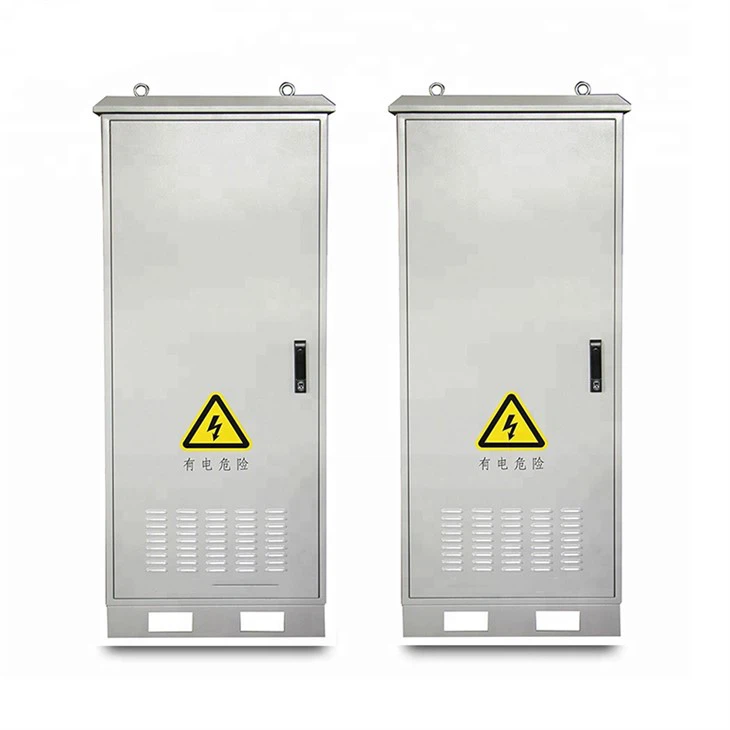
Solar power is a great alternative, especially in off-grid or sunny areas. It's clean, renewable, and can significantly reduce operating costs in the long run. Our 48VDC Outdoor Solar Power System is designed specifically for micro-BTS. It can provide a stable power supply even in harsh outdoor environments.
Battery Backup
Battery backup is essential for ensuring uninterrupted power supply during power outages. You need to choose the right type and capacity of batteries based on the power requirements and the expected duration of power outages. Lead-acid batteries are commonly used due to their low cost, but lithium-ion batteries are becoming more popular because of their higher energy density and longer lifespan.
Power Distribution and Management
Once you've chosen the power source, you need to design a proper power distribution system. This involves using power cables, circuit breakers, and fuses to safely distribute the power to different components of the micro-BTS.
A modular approach is often recommended for power distribution. Our Modular Base Station Integrated Power System allows for easy installation, expansion, and maintenance. It can also optimize power usage by intelligently distributing power to different loads.
Power management is also crucial. You need to monitor the power consumption of the micro-BTS in real-time and adjust the power output accordingly. This can help reduce energy waste and extend the lifespan of the power system.
Cooling and Environmental Considerations
The power system generates heat, and proper cooling is necessary to prevent overheating and ensure the reliability of the equipment. You can use air conditioning units or natural ventilation systems, depending on the location and the power system's heat generation.
In addition, you need to consider the environmental conditions where the micro-BTS will be installed. For example, in areas with high humidity or extreme temperatures, you'll need to choose power system components that are resistant to corrosion and can operate in a wide temperature range. Our Telecom Power Cabinet is designed to protect the power system from harsh environmental conditions.
Safety and Protection
Safety is of utmost importance when designing a power system for micro-BTS. You need to install proper protection devices such as surge protectors, overcurrent protectors, and grounding systems. These devices can prevent damage to the power system and the BTS equipment in case of electrical faults.
Testing and Commissioning
Before deploying the power system, you need to conduct thorough testing. This includes testing the power output, the functionality of the power management system, and the performance of the cooling system. You should also simulate different operating conditions, such as power outages and peak power demands, to ensure the system can handle them.
Once the testing is complete, you can commission the power system. This involves installing the system at the micro-BTS site, connecting it to the BTS equipment, and verifying its operation.
Maintenance and Support
Regular maintenance is essential to keep the power system in good working condition. This includes checking the battery health, cleaning the power system components, and replacing any worn-out parts.
As a BTS power system supplier, we offer comprehensive maintenance and support services. We can help you with troubleshooting, system upgrades, and emergency repairs.
Conclusion
Designing a power system for micro-BTS requires careful planning and consideration. By understanding the power requirements, choosing the right power source, designing a proper power distribution and management system, and ensuring safety and reliability, you can build a power system that meets the needs of your micro-BTS.
If you're interested in our BTS power system products or need more information on power system design for micro-BTS, feel free to contact us for a procurement discussion. We're here to help you find the best power solution for your micro-BTS.
References
- Industry standards and guidelines for BTS power system design.
- Technical specifications of BTS equipment and power system components.


