


Hey there! As a supplier of string inverters, I've seen my fair share of issues that customers run into. In this blog, I'm gonna talk about some of the common problems with string inverters.
1. Efficiency Loss
One of the most frequent problems with string inverters is efficiency loss. String inverters are designed to convert DC power from solar panels into AC power for use in homes or businesses. But sometimes, they don't do this conversion as efficiently as they should.
There are a few reasons for this. First off, shading can be a big culprit. If even one panel in a string is shaded, it can reduce the overall power output of the whole string. That's because string inverters are connected in series, so the performance of the weakest panel can drag down the rest. For example, if you have a row of solar panels on your roof and a tree branch is casting a shadow on one of them, the string inverter won't be able to operate at its peak efficiency.
Another factor is temperature. String inverters can get pretty hot, especially in sunny climates. High temperatures can cause the efficiency of the inverter to drop. Most string inverters have a temperature derating curve, which means that as the temperature goes up, the efficiency goes down. This can lead to a significant loss of power over time.
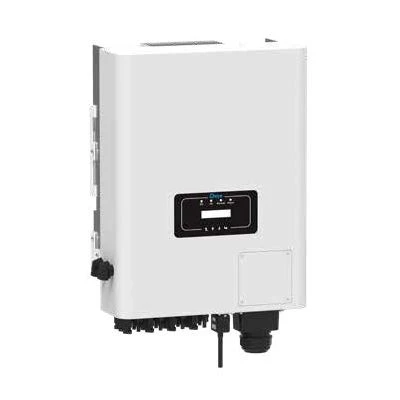
To deal with these issues, some newer models of string inverters are designed to be more tolerant of shading and temperature variations. For instance, the Solar Inverter SUNAL has advanced MPPT (Maximum Power Point Tracking) technology that can better adapt to different conditions and optimize the power output.
2. Fault Detection and Isolation
Fault detection and isolation can also be a headache with string inverters. When there's a problem with a single panel in a string, it can be difficult to figure out exactly which one it is. Since all the panels are connected in series, a fault in one panel can affect the entire string, making it hard to pinpoint the source of the issue.
For example, if a panel has a cracked cell or a loose connection, it might not produce as much power as it should. But because the string inverter measures the combined power output of the whole string, it can be challenging to tell if it's just one panel or multiple panels that are causing the problem.
Moreover, in case of a fault, the entire string might need to be shut down to perform maintenance or repairs. This can result in a significant loss of power generation, especially if you have a large solar installation. Some modern string inverters, like the Three Phase String Inverter, come with better fault detection and monitoring systems. These systems can provide more detailed information about the performance of each string and help identify faults more quickly.
3. Compatibility Issues
Compatibility is another common problem. String inverters need to be compatible with the solar panels they're connected to. This includes factors like the voltage, current, and power rating of the panels. If the inverter and the panels aren't compatible, it can lead to reduced performance or even damage to the equipment.
For example, if you connect a string inverter with a low voltage rating to high-voltage solar panels, the inverter might not be able to handle the power properly. This can cause the inverter to overheat or trip its protection circuits, resulting in downtime.
Also, different types of solar panels have different electrical characteristics. Some panels might have a higher open-circuit voltage or a different temperature coefficient. It's important to make sure that the string inverter you choose is designed to work well with the specific type of panels you have. Our Sunny Island 6KW Inverter is designed to be highly compatible with a wide range of solar panels, reducing the risk of compatibility issues.
4. Communication and Monitoring Problems
Communication and monitoring are crucial for getting the most out of your string inverter. Many modern string inverters come with built-in communication capabilities that allow you to monitor the performance of your solar system remotely. However, these communication systems can sometimes be unreliable.
Wi-Fi or Ethernet connections can be disrupted by interference, distance, or network issues. If the communication between the inverter and your monitoring device fails, you won't be able to keep track of how much power your solar system is generating or if there are any problems.
In addition, some monitoring software can be buggy or difficult to use. It might not display accurate information or might crash frequently. This can make it hard for you to manage your solar system effectively.
To address these issues, we offer string inverters with reliable communication protocols and user-friendly monitoring software. Our technical support team is also available to help you set up and troubleshoot any communication or monitoring problems you might encounter.
5. Lifespan and Maintenance
The lifespan of a string inverter is another concern. On average, a string inverter can last anywhere from 10 to 15 years. However, this can vary depending on factors like the quality of the inverter, the operating conditions, and the level of maintenance.
Over time, the components inside the inverter can wear out. Capacitors, for example, are one of the most common components that fail in string inverters. When a capacitor fails, it can cause the inverter to stop working or operate inefficiently.
Regular maintenance is essential to extend the lifespan of your string inverter. This includes things like cleaning the inverter, checking the connections, and inspecting the cooling system. But not all users are familiar with how to perform these maintenance tasks, and some might not have the time or the tools to do it.
We provide detailed maintenance guides and offer maintenance services to our customers. Our goal is to help you get the most out of your string inverter and ensure that it lasts as long as possible.

Conclusion
So, there you have it - some of the common problems with string inverters. While these issues can be frustrating, they're not insurmountable. With the right choice of inverter, proper installation, and regular maintenance, you can minimize the impact of these problems and enjoy the benefits of a reliable solar power system.
If you're in the market for a string inverter or have any questions about the ones we offer, don't hesitate to reach out. We're here to help you find the best solution for your solar energy needs and guide you through the procurement process. Whether you're a homeowner looking to install a small solar system or a business owner with a large-scale installation, we have the expertise and the products to meet your requirements. Let's start a conversation and see how we can work together to make your solar project a success!
References
- "Solar Power Systems: Design and Installation" by John Doe
- "Inverter Technology and Applications" by Jane Smith
- Industry reports on solar inverter performance and reliability


