


As a supplier of BTS power systems, I've had the privilege of witnessing the evolution and intricacies of these vital components in the telecommunications industry. BTS, or Base Transceiver Station, power systems are the backbone of mobile communication networks, ensuring reliable and continuous operation of cell towers. In this blog, I'll delve into the main components of BTS power systems, shedding light on their functions and importance.
Power Generation Sources
AC Mains Power
The most common power source for BTS is the alternating current (AC) mains power supply. This is the electricity provided by the local utility grid. AC mains power is reliable in areas with stable grid infrastructure. It is typically stepped down and conditioned to the appropriate voltage levels required by the BTS equipment. However, in regions with unreliable grid power, additional backup solutions are necessary.
Diesel Generators
Diesel generators serve as a crucial backup power source for BTS. When the AC mains power fails, diesel generators kick in to provide continuous power. They are capable of producing high amounts of power and can run for extended periods, making them suitable for long - term outages. Diesel generators require regular maintenance, including fuel refilling, oil changes, and filter replacements. They also need to be properly sized to meet the power demands of the BTS.
Solar Power Systems
Solar power has gained significant popularity in BTS power systems, especially in remote areas or regions with abundant sunlight. 48VDC Outdoor Solar Power System consists of solar panels, charge controllers, and batteries. Solar panels convert sunlight into direct current (DC) electricity. Charge controllers regulate the charging process of the batteries to prevent overcharging and ensure efficient energy storage. Batteries store the excess energy generated during the day for use during the night or when sunlight is insufficient. Solar power systems are environmentally friendly and can reduce operating costs in the long run.
Power Conversion and Conditioning
Rectifiers
Rectifiers are essential components in BTS power systems. They convert the incoming AC power from the mains or generators into DC power, which is required by most BTS equipment. Rectifiers also play a crucial role in maintaining a stable DC voltage output. They use semiconductor devices such as diodes or thyristors to perform the conversion. High - quality rectifiers are designed to have high efficiency, low harmonic distortion, and good power factor correction.
Inverters
Inverters are used to convert DC power from batteries or solar power systems back into AC power when needed. For example, some BTS equipment may require AC power for operation, or in case of a power outage, an inverter can provide AC power to essential loads. Inverters come in different types, including pure sine wave inverters and modified sine wave inverters. Pure sine wave inverters are more expensive but provide a cleaner and more stable AC output, which is suitable for sensitive electronic equipment.

Voltage Regulators
Voltage regulators are used to maintain a constant voltage level within the BTS power system. Fluctuations in the input voltage can damage the BTS equipment. Voltage regulators can be either linear or switching regulators. Linear regulators are simple and provide a stable output voltage but are less efficient, especially when there is a large difference between the input and output voltages. Switching regulators, on the other hand, are more efficient and can handle a wider range of input voltages.
Energy Storage
Batteries
Batteries are a key component of BTS power systems, providing backup power during outages. The most commonly used batteries in BTS are lead - acid batteries, including valve - regulated lead - acid (VRLA) batteries and flooded lead - acid batteries. VRLA batteries are maintenance - free and have a lower risk of acid leakage, making them suitable for indoor installations. Flooded lead - acid batteries require regular maintenance, such as checking the electrolyte levels and adding distilled water. Lithium - ion batteries are also becoming more popular due to their higher energy density, longer lifespan, and faster charging times.
Power Distribution
Power Distribution Units (PDUs)
Power Distribution Units are used to distribute the power from the power sources to the various BTS equipment. PDUs come in different configurations, including single - phase and three - phase PDUs. They provide multiple output sockets, allowing for easy connection of different devices. PDUs also incorporate features such as circuit breakers and surge protectors to protect the connected equipment from overcurrent and voltage surges.
Telecom Power Cabinets
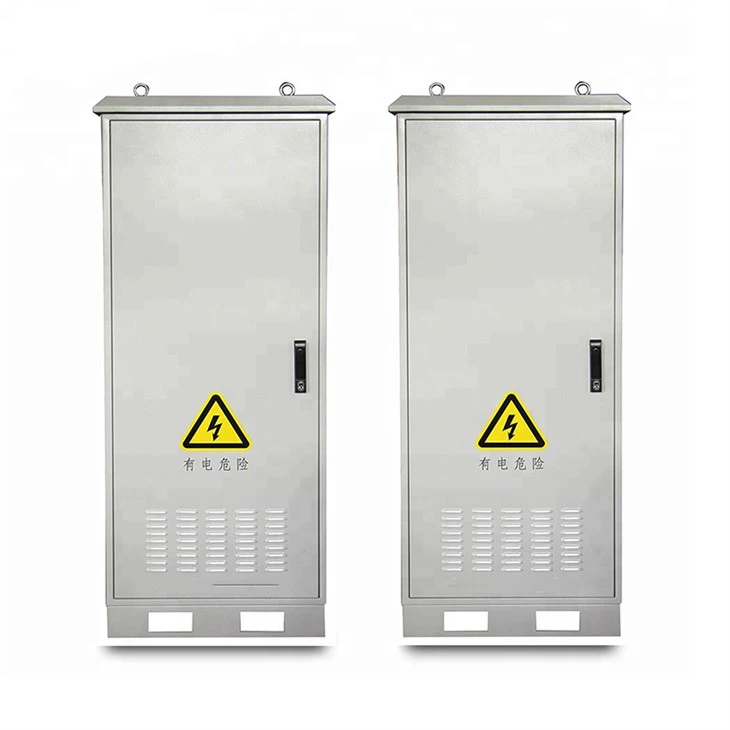
Telecom Power Cabinet are designed to house all the power - related components of the BTS in a single, organized unit. They provide protection from environmental factors such as dust, moisture, and temperature extremes. Telecom power cabinets are equipped with ventilation systems to maintain a proper operating temperature for the components. They also have access doors and cable management systems for easy installation, maintenance, and troubleshooting.
Monitoring and Control Systems
Remote Monitoring Units (RMUs)
Remote Monitoring Units are used to monitor the performance and status of the BTS power system remotely. RMUs collect data on parameters such as voltage, current, temperature, and battery state of charge. This data can be transmitted to a central monitoring station via a communication network, such as GPRS or Ethernet. Operators can then use this information to detect faults, schedule maintenance, and optimize the power system operation.
Intelligent Power Management Systems
Intelligent Power Management Systems use advanced algorithms to optimize the power consumption of the BTS. They can automatically switch between different power sources based on the availability and cost of power. For example, during periods of low grid power cost, the system can rely more on the AC mains power, while during peak hours, it can switch to solar power or batteries.
Modular Base Station Integrated Power System
Modular Base Station Integrated Power System offers a comprehensive solution for BTS power requirements. These systems are designed to be modular, which means they can be easily expanded or modified to meet the changing needs of the BTS. They integrate all the main components of the power system, including power generation, conversion, storage, and distribution, into a single, compact unit. Modular systems are also more efficient and easier to install and maintain compared to traditional, non - modular systems.
In conclusion, the main components of BTS power systems work together to ensure the reliable and efficient operation of cell towers. Each component plays a crucial role in providing power, converting it to the appropriate form, storing it, and distributing it to the BTS equipment. As a supplier of BTS power systems, we are committed to providing high - quality products that meet the diverse needs of our customers. If you are interested in purchasing BTS power systems or have any questions about our products, please feel free to contact us for a detailed discussion and procurement negotiation.
References
- "Telecommunications Power Systems Handbook" by John A. Fletcher
- Industry whitepapers on BTS power system design and operation


