


As a supplier of Embedded Power System, I've witnessed firsthand the complex power challenges that automotive applications face in the realm of embedded power systems. In this blog, I'll delve into these challenges, exploring the unique demands of automotive environments and how they impact the design, performance, and reliability of embedded power solutions.
1. Electrical Noise and Interference
Automotive environments are rife with electrical noise and interference. Various components in a vehicle, such as motors, ignition systems, and communication modules, generate electromagnetic interference (EMI). This EMI can disrupt the normal operation of embedded power systems, leading to voltage fluctuations, signal distortion, and even system failures.
For instance, the high - current switching operations in electric vehicle (EV) motor controllers can produce significant electromagnetic fields. These fields can couple into the power lines of embedded systems, corrupting power signals. As an Embedded Power System supplier, we need to design our products with advanced EMI filtering techniques. Our Embedded Power System incorporates multi - stage filtering circuits that can effectively suppress high - frequency noise, ensuring stable power delivery even in the presence of strong EMI sources.
2. Wide Temperature Range
Automotive applications are exposed to a wide range of temperatures, from the frigid cold of winter to the scorching heat of summer. Embedded power systems must be able to operate reliably across this entire temperature spectrum.
At low temperatures, the chemical reactions in batteries slow down, reducing their capacity and output voltage. This can put additional stress on the power conversion circuits in embedded systems. On the other hand, high temperatures can cause components to degrade more rapidly, leading to increased leakage currents and reduced efficiency.
Our power systems are designed with temperature - compensated circuits. These circuits adjust the operating parameters of the power supply based on the ambient temperature. For example, in high - temperature environments, the power supply can reduce its output power slightly to prevent overheating of components, while in cold temperatures, it can adjust the charging algorithm for batteries to ensure proper operation.
3. High Power Density Requirements
As automotive technology advances, there is a growing demand for more functionality in a smaller space. This translates into a need for high - power density embedded power systems.
Modern vehicles are equipped with an increasing number of electronic devices, such as advanced driver - assistance systems (ADAS), infotainment systems, and electric powertrain components. All these devices require power, and the available space for power supplies is limited.
To meet these high - power density requirements, we utilize advanced power semiconductor technologies. Our 6KW Communication Power Supply is designed with high - efficiency gallium nitride (GaN) and silicon carbide (SiC) power transistors. These materials have lower on - resistance and faster switching speeds compared to traditional silicon transistors, allowing for more compact and efficient power conversion.
4. Power Quality and Reliability
In automotive applications, power quality and reliability are of utmost importance. Any power interruption or voltage drop can have serious consequences, such as system malfunctions, safety risks, and reduced vehicle performance.
Embedded power systems need to provide a stable and clean power supply to sensitive electronic components. This requires precise voltage regulation and low output ripple. Our power supplies are designed with high - precision voltage regulators and low - noise power conversion topologies.
Reliability is also a key factor. Automotive power systems are expected to have a long service life, often exceeding 10 years. We conduct rigorous testing on our products, including accelerated life testing, to ensure that they can withstand the harsh automotive environment over their entire lifespan.

5. Integration with Vehicle Electrical Systems
Embedded power systems in automotive applications must be seamlessly integrated with the vehicle's electrical system. This includes compatibility with the vehicle's battery management system (BMS), alternator, and other power - related components.
For example, in hybrid and electric vehicles, the power system needs to work in harmony with the BMS to manage the charging and discharging of the high - voltage battery. Our power systems are designed with communication interfaces that allow them to exchange data with the BMS, ensuring optimal battery performance and safety.
6. Safety and Compliance
Automotive applications are subject to strict safety and compliance standards. Embedded power systems must meet various regulations, such as ISO 26262 for functional safety in road vehicles.
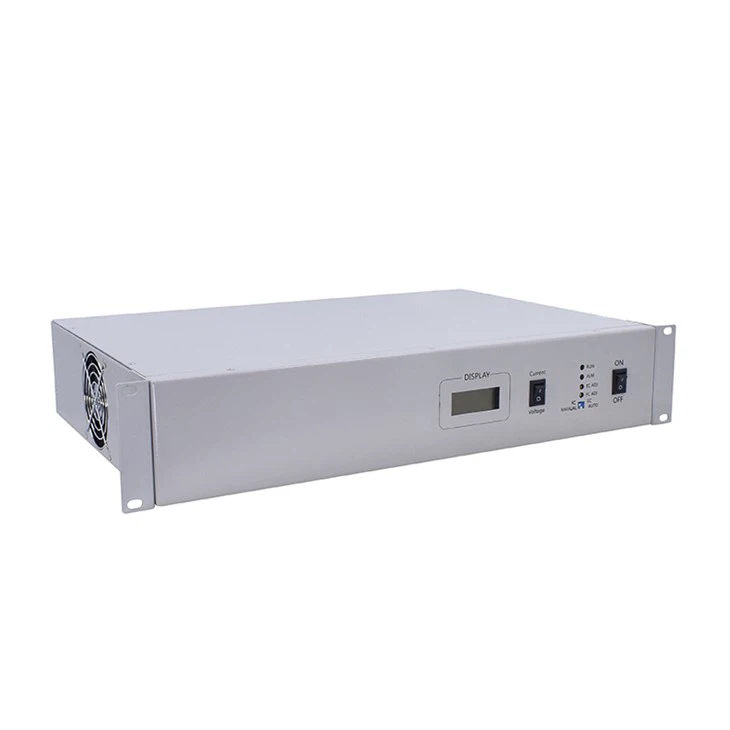
These standards ensure that the power system is designed and tested to prevent potential hazards, such as electrical shock, overheating, and short - circuits. We have a dedicated team of engineers who are well - versed in these standards and ensure that our products are fully compliant. Our High Frequency Rack Modular Rectifier is designed with multiple safety features, such as over - voltage protection, over - current protection, and short - circuit protection, to meet the highest safety requirements.
Conclusion and Call to Action
The power challenges in embedded power systems for automotive applications are diverse and complex. As a leading Embedded Power System supplier, we are committed to developing innovative solutions to address these challenges. Our products are designed to provide reliable, efficient, and safe power in the demanding automotive environment.
If you are in the automotive industry and are looking for high - quality embedded power solutions, we invite you to contact us for procurement and further discussions. Our team of experts will be happy to assist you in finding the best power system for your specific application.
References
- Smith, J. (2018). Automotive Power Electronics: Design and Applications. Wiley.
- IEEE Transactions on Vehicular Technology, various issues related to automotive power systems.
- ISO 26262 - Road vehicles -- Functional safety standards.


