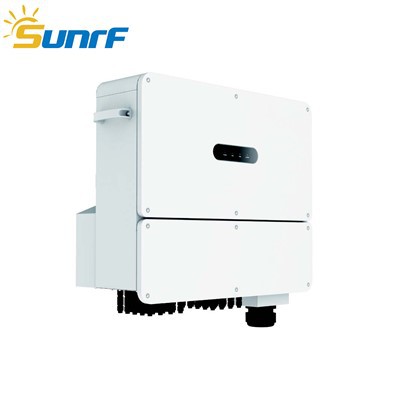
Hey there! As a supplier of Embedded Power System, I've been in the game for quite a while, and I'm super stoked to chat with you about the power system architectures for embedded power systems. So, let's dive right in!
What's an Embedded Power System Anyway?
First off, if you're not too sure what an Embedded Power System is, it's basically a self - contained power solution designed to be integrated into larger electronic devices or systems. These systems are crucial because they provide the necessary electrical power to keep all the components of a device running smoothly. Whether it's a small IoT device or a large industrial machine, an embedded power system is like the heart that pumps life into it.
Different Power System Architectures
Linear Power Supply Architecture
One of the oldest and simplest architectures is the linear power supply. It's pretty straightforward. In a linear power supply, the voltage regulation is achieved by using a series - pass transistor that dissipates the excess voltage as heat. This architecture is known for its low noise and high stability. It's great for applications where noise is a big no - no, like audio equipment or sensitive measurement devices.
The main drawback of linear power supplies is their low efficiency. Since they dissipate a lot of power as heat, they're not the best choice for high - power applications. You end up wasting a fair amount of energy, and you also need to have a good heat - sinking mechanism to keep the components cool.
Switch Power Supply Architecture
Now, let's talk about switch power supplies. These have become super popular in recent years, and for good reason. Switch power supplies work by rapidly switching the input voltage on and off and then filtering the output to get the desired voltage. This switching action allows them to be much more efficient than linear power supplies. They can convert a large amount of input power into useful output power with very little wasted as heat.
There are different types of switch power supplies, like buck converters (which step down the voltage), boost converters (which step up the voltage), and buck - boost converters (which can do both). Switch power supplies are used in a wide range of applications, from mobile phones to laptops and even large - scale data centers.
However, switch power supplies do have some downsides. They can generate more electrical noise compared to linear power supplies because of the high - frequency switching. But with proper filtering and shielding, this noise can be kept under control.
High Frequency Rack Modular Rectifier Architecture
High frequency rack modular rectifiers are another important architecture in embedded power systems. These are often used in communication systems, data centers, and other large - scale applications. They convert AC power from the mains into DC power that can be used by the electronic devices.
The high - frequency operation of these rectifiers allows for smaller and more compact designs. They're also modular, which means you can easily add or remove rectifier modules based on the power requirements of your system. This scalability is a huge advantage, especially in applications where the power demand can change over time.


One of the challenges with high frequency rack modular rectifiers is ensuring good power factor correction. A low power factor can lead to increased energy consumption and higher electricity bills. But modern rectifiers are designed with advanced power factor correction techniques to address this issue.
Choosing the Right Architecture
So, how do you decide which power system architecture is right for your embedded power system? Well, it all boils down to your specific requirements.
If you need a low - noise, stable power supply for a small - power, sensitive application, a linear power supply might be the way to go. On the other hand, if efficiency is your top priority, especially for high - power applications, a switch power supply is probably your best bet.
For large - scale applications where scalability and high - power conversion are needed, high frequency rack modular rectifiers are a great choice. You also need to consider factors like size, cost, and reliability. Sometimes, you might even end up using a combination of different architectures to meet all your requirements.
Why Choose Our Embedded Power Systems?
As a supplier, we've got a ton of experience in designing and manufacturing embedded power systems. We understand the unique needs of different industries and applications. Our products are built with high - quality components to ensure reliability and long - term performance.
We offer a wide range of power system architectures, so you can choose the one that's perfect for your project. Whether you need a simple linear power supply or a complex high frequency rack modular rectifier, we've got you covered.
Our team of experts is always ready to help you with any technical questions or design challenges you might face. We can work with you from the initial concept stage all the way to the final implementation of your embedded power system.
Let's Talk!
If you're in the market for an embedded power system, I'd love to have a chat with you. Whether you're just starting to explore your options or you've got a specific project in mind, we can discuss how our products can meet your needs. Drop us a line, and let's start the conversation about finding the perfect power system architecture for your embedded power system.
References
- "Power Electronics: Converters, Applications, and Design" by Ned Mohan, Tore M. Undeland, and William P. Robbins.
- "Switching Power Supply Design" by Abraham I. Pressman, Kevin Billings, and Taylor Morey.