


Hey there! As a supplier of Rackmount LiFePO4 Batteries, I often get asked about the depth of discharge (DoD) of these batteries. So, I thought I'd write this blog to share some insights on what the depth of discharge of rackmount LiFePO4 batteries is all about.
What is Depth of Discharge?
Let's start with the basics. Depth of discharge is a measure of how much energy has been taken out of a battery relative to its total capacity. It's usually expressed as a percentage. For example, if you have a battery with a capacity of 100 amp - hours (Ah) and you use 50 Ah of its energy, the depth of discharge is 50%.
Now, why is this important? Well, the DoD has a significant impact on the battery's lifespan. The more deeply you discharge a battery, the more stress you put on its internal components, and this can lead to a shorter overall life.
Depth of Discharge and Rackmount LiFePO4 Batteries
Rackmount LiFePO4 batteries, like Rackmount LiFePO4 Battery, are known for their excellent performance and long - lasting nature. But even these high - quality batteries have their limits when it comes to DoD.
One of the great things about LiFePO4 batteries is that they can handle relatively high depths of discharge compared to other battery chemistries. For instance, lead - acid batteries usually have a recommended DoD of around 50% to ensure a reasonable lifespan. In contrast, rackmount LiFePO4 batteries can often tolerate a DoD of up to 80% or even 90% without significant degradation in performance over time.
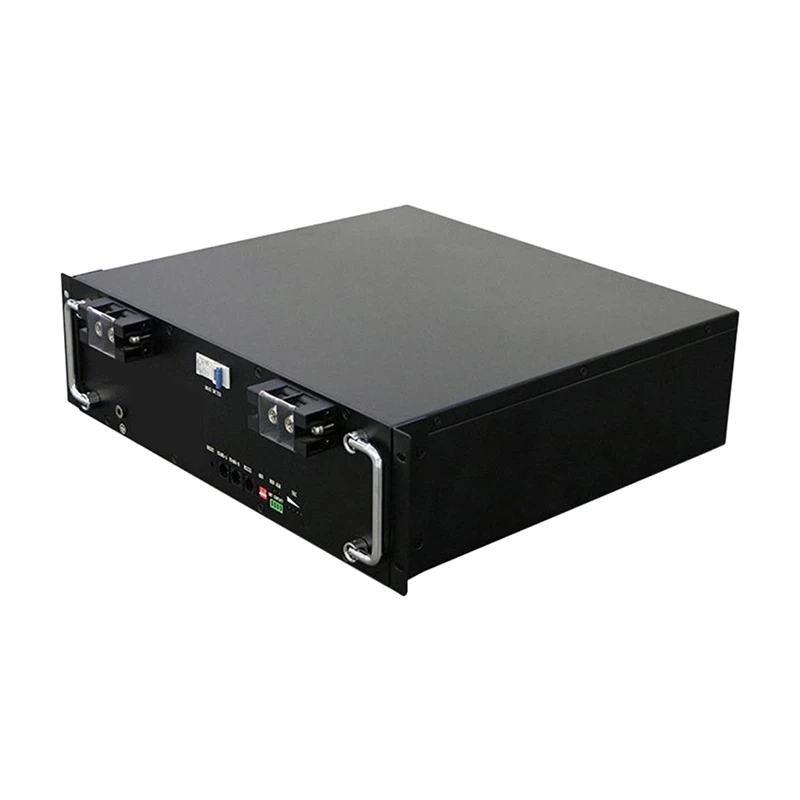

Let's take a look at a real - world example. Suppose you have a 48V100Ah LiFePO4 Battery Rack - mounted Battery Suitable for 19 "rack for Telecom Equipment. This battery has a total capacity of 4800 watt - hours (since power = voltage x current, so 48V x 100Ah = 4800Wh). If you discharge it to a DoD of 80%, you're using 0.8 x 4800 = 3840Wh of energy.
Factors Affecting the Depth of Discharge
There are several factors that can affect the optimal depth of discharge for rackmount LiFePO4 batteries.
Temperature
Temperature plays a crucial role. In colder temperatures, the battery's performance can be reduced, and it may not be able to handle as high a DoD. On the other hand, high temperatures can also be harmful. Excessive heat can cause the battery to age faster, even at lower depths of discharge. It's important to keep the battery in a temperature - controlled environment to get the best performance and lifespan.
Charge - Discharge Cycles
The number of charge - discharge cycles also matters. Every time you charge and discharge a battery, it goes through a cycle. The more cycles a battery has, the more wear and tear it experiences. So, if you frequently discharge the battery to a high DoD, the number of cycles it can endure before its capacity starts to decline significantly will be reduced.
Charging Rate
The rate at which you charge the battery can impact the DoD as well. Fast charging can sometimes cause stress on the battery, especially if it's done after a deep discharge. It's usually better to charge the battery at a moderate rate to maintain its health.
Benefits of Controlling the Depth of Discharge
Controlling the depth of discharge of your rackmount LiFePO4 batteries offers several benefits.
Extended Lifespan
As mentioned earlier, by keeping the DoD within a reasonable range, you can significantly extend the battery's lifespan. This means you won't have to replace the battery as often, which can save you a lot of money in the long run.
Consistent Performance
When you control the DoD, the battery is less likely to experience sudden drops in performance. This is especially important in applications like telecom equipment, where a stable power supply is crucial. For example, a 51.2V 100Ah Rack - mounted Battery used in a telecom setup needs to provide a reliable power source, and controlling the DoD helps ensure this.
Safety
Over - discharging a battery can be dangerous. It can lead to issues like cell imbalance, which can cause overheating or even a fire in extreme cases. By keeping the DoD in check, you're reducing the risk of these safety hazards.
How to Monitor and Control the Depth of Discharge
So, how can you monitor and control the DoD of your rackmount LiFePO4 batteries?
Battery Management System (BMS)
Most modern rackmount LiFePO4 batteries come with a built - in Battery Management System. The BMS can monitor the battery's state of charge, voltage, and temperature. It can also prevent over - discharge by automatically disconnecting the load when the battery reaches a certain DoD. This is a very useful feature that helps protect the battery and ensure its longevity.
Regular Testing
It's a good idea to regularly test the battery's capacity and performance. You can use a battery tester to measure the actual capacity of the battery and compare it to its rated capacity. This will give you an idea of how well the battery is holding up and whether you need to adjust your usage patterns.
Conclusion
In conclusion, the depth of discharge is a critical factor when it comes to the performance and lifespan of rackmount LiFePO4 batteries. While these batteries can handle relatively high DoDs compared to other chemistries, it's still important to control the DoD to get the most out of them. By understanding the factors that affect the DoD, the benefits of controlling it, and how to monitor and manage it, you can ensure that your rackmount LiFePO4 batteries serve you well for a long time.
If you're in the market for high - quality rackmount LiFePO4 batteries or have any questions about depth of discharge and battery performance, don't hesitate to reach out. We're here to help you make the best choice for your power needs and guide you through the process of procurement and usage.
References
- Battery University: A comprehensive resource on battery technology and performance.
- Industry reports on LiFePO4 battery performance and applications.


