


Over - charging is a critical issue that can significantly affect the performance, safety, and lifespan of rackmount LiFePO4 batteries. As a supplier of rackmount LiFePO4 batteries, I have witnessed firsthand the various impacts of over - charging on these power storage solutions. In this blog, I will delve into the scientific aspects of over - charging and its consequences for rackmount LiFePO4 batteries.
Understanding Rackmount LiFePO4 Batteries
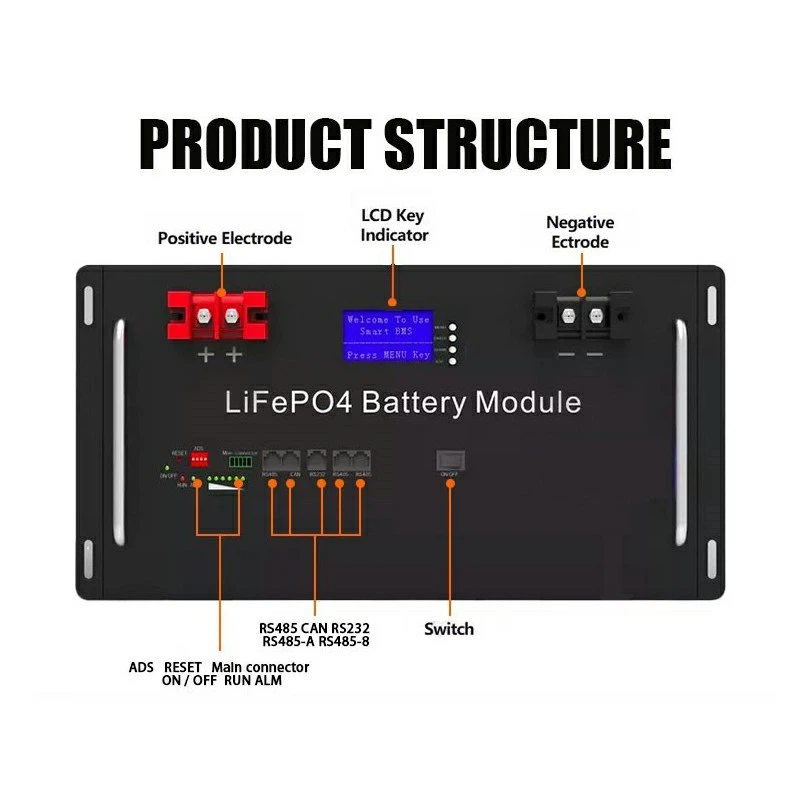
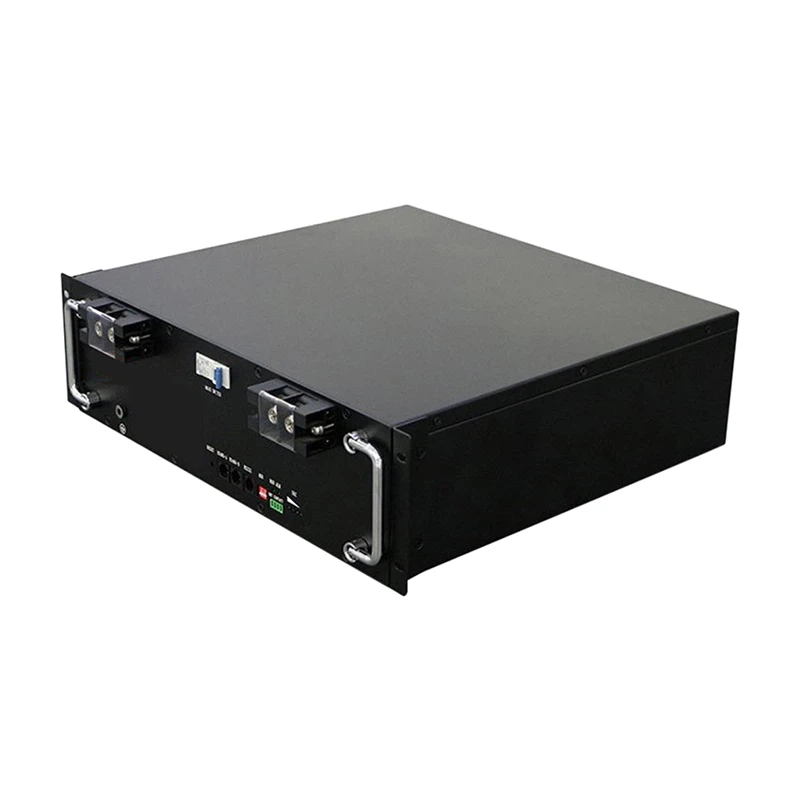
Rackmount LiFePO4 batteries are widely used in various applications, including data centers, telecommunications, and renewable energy systems. These batteries are known for their high energy density, long cycle life, and excellent thermal stability compared to other types of lithium - ion batteries. The LiFePO4 chemistry provides a stable structure, which contributes to its safety and reliability.
For instance, our High Voltage Energy Storage Tank for 51.2V200Ah Battery is designed to meet the high - power requirements of large - scale energy storage systems. Its rack - mountable design allows for easy installation and integration into existing infrastructure. Similarly, the 51.2V 100Ah Rack - mounted Battery and 48V100Ah LiFePO4 Battery Rack - mounted Battery Suitable for 19 "rack for Telecom Equipment are tailored to specific industry needs, offering reliable power solutions.
The Process of Over - charging
Over - charging occurs when a battery is charged beyond its recommended voltage limit. In the case of LiFePO4 batteries, the typical maximum charge voltage per cell is around 3.65V. When the charging voltage exceeds this limit, several chemical and physical changes take place within the battery.
At the cathode, over - charging can cause the decomposition of the LiFePO4 material. The excess lithium ions are forced out of the cathode structure at a rate that the material cannot handle. This leads to the formation of new compounds and the degradation of the cathode material. As a result, the capacity of the battery starts to decline over time.
On the anode side, over - charging can cause lithium plating. When the charging current is too high or the charging voltage is excessive, lithium ions can deposit on the anode surface instead of intercalating into the graphite structure. Lithium plating is a serious issue as it can lead to the formation of dendrites. These dendrites are needle - like structures that can grow through the separator and cause an internal short - circuit.
Impact on Battery Performance
One of the most immediate impacts of over - charging on rackmount LiFePO4 batteries is a reduction in capacity. As the cathode material degrades and lithium plating occurs, the number of available lithium ions for the charge - discharge process decreases. This means that the battery can store less energy, resulting in a shorter runtime for the connected devices.
For example, in a data center application, a rackmount LiFePO4 battery that has been over - charged may not be able to provide the necessary backup power for the required duration. This can lead to data loss and system downtime, which can be extremely costly for businesses.
Over - charging also affects the battery's charge - discharge efficiency. The chemical reactions that occur during over - charging are not reversible, and they consume energy in an unproductive way. This means that more energy is required to charge the battery to its full capacity, and less energy is available for use during the discharge process.
Safety Concerns
Safety is a major concern when it comes to over - charging rackmount LiFePO4 batteries. As mentioned earlier, lithium plating can lead to the formation of dendrites, which can cause an internal short - circuit. An internal short - circuit can generate a large amount of heat, leading to thermal runaway.
Thermal runaway is a self - sustaining reaction where the heat generated by the short - circuit causes further chemical reactions within the battery, releasing even more heat. This can result in the battery swelling, venting, and in extreme cases, catching fire or exploding. In a rack - mounted battery system, a single battery experiencing thermal runaway can potentially trigger a chain reaction, endangering the entire system and the surrounding environment.
Impact on Battery Lifespan
Over - charging significantly reduces the lifespan of rackmount LiFePO4 batteries. The degradation of the cathode and anode materials, as well as the formation of dendrites, are irreversible processes. Each over - charging event accelerates the aging of the battery, leading to a shorter overall lifespan.
In normal operating conditions, a well - maintained rackmount LiFePO4 battery can have a cycle life of several thousand cycles. However, repeated over - charging can reduce this cycle life to a few hundred cycles or even less. This means that the battery needs to be replaced more frequently, increasing the overall cost of ownership for the end - user.
Preventing Over - charging
To prevent over - charging, it is essential to use a proper charging system. A good charger should be able to monitor the battery voltage and current accurately and stop the charging process when the battery reaches its full capacity. Many modern chargers are equipped with over - charge protection circuits that automatically cut off the charging current when the voltage limit is reached.
In addition, regular battery monitoring is crucial. By monitoring the battery's voltage, temperature, and state of charge, any signs of over - charging can be detected early, and appropriate measures can be taken to prevent further damage.
Conclusion
Over - charging has a profound impact on rackmount LiFePO4 batteries. It affects the battery's performance, safety, and lifespan, leading to reduced capacity, lower efficiency, safety hazards, and increased costs. As a supplier of rackmount LiFePO4 batteries, we are committed to providing high - quality products and educating our customers about the proper use and maintenance of these batteries.
If you are interested in our rackmount LiFePO4 battery products or have any questions about over - charging prevention, please feel free to contact us for further discussion and potential procurement. We are here to help you find the best power storage solutions for your specific needs.
References
- Arora, P., Zhang, Z., & White, R. E. (1999). Comparison of Modeling Predictions with Experimental Data from Plastic Lithium - Ion Cells. Journal of the Electrochemical Society, 146(11), 4247 - 4254.
- Tarascon, J. M., & Armand, M. (2001). Issues and Challenges Facing Rechargeable Lithium Batteries. Nature, 414(6861), 359 - 367.
- Chen, Z., & Dahn, J. R. (2002). The Spinel Li[Ni0.5Mn1.5]O4 Cathode for Lithium - ion Batteries. Journal of the Electrochemical Society, 149(3), A269 - A273.


