


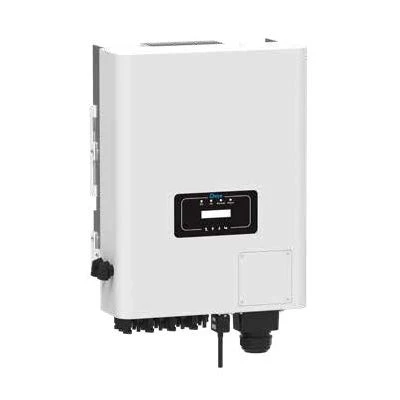
As a supplier of the Solar Inverter SUNAL, I am often asked about its reactive power compensation ability. In this blog post, I will delve into the details of this important feature, explaining what reactive power compensation is, why it matters, and how the Solar Inverter SUNAL excels in this area.
Understanding Reactive Power
Before we discuss the reactive power compensation ability of the Solar Inverter SUNAL, it's essential to understand what reactive power is. In an AC electrical system, power is composed of two components: active power (P) and reactive power (Q). Active power is the power that actually does work, such as heating, lighting, or running motors. It is measured in watts (W) and is the power that consumers pay for.
Reactive power, on the other hand, is the power that oscillates between the source and the load without doing any useful work. It is required to establish and maintain the magnetic and electric fields in inductive and capacitive loads, such as motors, transformers, and fluorescent lights. Reactive power is measured in volt - amperes reactive (VAR).
The presence of reactive power in an electrical system can cause several problems. It increases the current flowing through the system, leading to higher losses in the transmission and distribution lines. This results in decreased efficiency and increased energy costs. Additionally, reactive power can cause voltage drops, which can affect the performance of electrical equipment.

Importance of Reactive Power Compensation
Reactive power compensation is the process of adding or removing reactive power from an electrical system to improve its power factor. The power factor is a measure of how effectively electrical power is being used in a system. It is defined as the ratio of active power to apparent power (S), where apparent power is the combination of active and reactive power and is measured in volt - amperes (VA).
A power factor of 1 (or 100%) indicates that all the power supplied to the system is being used effectively, with no reactive power. A lower power factor means that a significant portion of the power is being wasted as reactive power. By compensating for reactive power, the power factor can be improved, leading to reduced energy losses, lower electricity bills, and improved voltage stability.
Reactive Power Compensation Ability of the Solar Inverter SUNAL
The Solar Inverter SUNAL is designed with advanced technology to provide excellent reactive power compensation capabilities. Here are some of the key features that make it stand out:
1. Adjustable Reactive Power Output
The Solar Inverter SUNAL allows for adjustable reactive power output. This means that it can be programmed to inject or absorb reactive power according to the specific requirements of the electrical system. Whether the system has a lagging or leading power factor, the inverter can adjust its reactive power output to bring the power factor closer to unity.
2. Fast Response Time
In an electrical system, the demand for reactive power can change rapidly. The Solar Inverter SUNAL has a fast response time, enabling it to quickly adjust its reactive power output in response to changes in the system. This ensures that the power factor is maintained at an optimal level, even under dynamic load conditions.
3. High Precision Control
The inverter uses high - precision control algorithms to accurately regulate the reactive power output. This ensures that the compensation is precise and effective, minimizing the error between the desired and actual power factor.
4. Compatibility with Different Loads
The Solar Inverter SUNAL is compatible with a wide range of loads, including inductive and capacitive loads. It can effectively compensate for the reactive power requirements of various types of electrical equipment, such as motors, transformers, and industrial machinery.
Comparison with Other Inverters
To better understand the reactive power compensation ability of the Solar Inverter SUNAL, let's compare it with the Sunny Island 6KW Inverter. While the Sunny Island 6KW Inverter also has some reactive power compensation capabilities, the Solar Inverter SUNAL offers more flexibility in terms of adjustable reactive power output. The SUNAL inverter can be easily configured to meet the specific needs of different electrical systems, whereas the Sunny Island 6KW Inverter may have more limited adjustment options.
Another popular option in the market is the Three Phase String Inverter. Although the three - phase string inverter is known for its high - efficiency power conversion, the Solar Inverter SUNAL has a faster response time when it comes to reactive power compensation. This makes the SUNAL inverter more suitable for applications where the load conditions change frequently.
Real - World Applications
The reactive power compensation ability of the Solar Inverter SUNAL makes it suitable for a variety of real - world applications.
1. Industrial Applications
In industrial settings, there are often large inductive loads such as motors and transformers. These loads can cause a significant lagging power factor. The Solar Inverter SUNAL can be used to compensate for the reactive power of these loads, reducing energy losses and improving the overall efficiency of the industrial electrical system.
2. Commercial Buildings
Commercial buildings typically have a mix of electrical equipment, including lighting, HVAC systems, and office equipment. Some of these loads may have a low power factor. By installing the Solar Inverter SUNAL, building owners can improve the power factor of the electrical system, resulting in lower electricity bills and better equipment performance.
3. Solar Power Plants
In solar power plants, the Solar Inverter SUNAL can not only convert DC power from solar panels into AC power but also compensate for the reactive power in the grid. This helps to maintain the stability of the grid and improve the overall power quality of the solar power plant.
Conclusion
The reactive power compensation ability of the Solar Inverter SUNAL is a crucial feature that offers numerous benefits. It helps to improve the power factor of electrical systems, reduce energy losses, and enhance voltage stability. With its adjustable reactive power output, fast response time, high - precision control, and compatibility with different loads, the Solar Inverter SUNAL is a reliable choice for a wide range of applications.
If you are interested in learning more about the Solar Inverter SUNAL or would like to discuss a potential purchase, please feel free to reach out. Our team of experts is ready to assist you in finding the best solution for your electrical system needs.
References
- Electric Power Systems: Analysis and Design by J. Duncan Glover, Mulukutla S. Sarma, and Thomas J. Overbye
- Power System Analysis by John J. Grainger and William D. Stevenson Jr.
- Reactive Power Control in Electric Systems by E. Handschin and C. F. Wagner


