


Hey there! As a supplier of Rackmount LiFePO4 Batteries, I've been getting a lot of questions lately about the long - term reliability of these batteries. So, I thought I'd sit down and write this blog to share my insights and experiences.
First off, let's talk a bit about what Rackmount LiFePO4 Batteries are. Rackmount LiFePO4 Batteries are lithium - iron - phosphate batteries designed to be mounted in standard racks. They're widely used in various applications, such as data centers, telecom equipment, and UPS systems. You can find out more about them on our website: Rackmount LiFePO4 Battery.
One of the key factors in determining the long - term reliability of any battery is its chemical composition. LiFePO4, or lithium - iron - phosphate, is known for its excellent thermal stability. Unlike some other lithium - ion chemistries, LiFePO4 is less prone to thermal runaway. Thermal runaway is a dangerous situation where the battery overheats and can even catch fire or explode. With LiFePO4, the risk of this happening is significantly reduced, which means the battery can operate safely over a long period.
Another aspect that contributes to the long - term reliability of Rackmount LiFePO4 Batteries is their cycle life. Cycle life refers to the number of charge - discharge cycles a battery can go through before its capacity drops to a certain level. LiFePO4 batteries typically have a much longer cycle life compared to lead - acid batteries. For example, a good quality LiFePO4 battery can have a cycle life of 2000 - 5000 cycles, while a lead - acid battery might only last for 300 - 500 cycles. This means that in the long run, you won't have to replace your Rackmount LiFePO4 Batteries as often, saving you both time and money.
In terms of self - discharge rate, LiFePO4 batteries also have an edge. Self - discharge is the process by which a battery loses its charge even when it's not in use. LiFePO4 batteries have a relatively low self - discharge rate, usually around 1 - 3% per month. This is much lower than lead - acid batteries, which can self - discharge at a rate of 5 - 10% per month. A low self - discharge rate means that the battery will retain its charge for longer periods when not in use, ensuring that it's ready to go when you need it.
Now, let's talk about the physical design of Rackmount LiFePO4 Batteries. These batteries are designed to be mounted in racks, which provides several advantages. The rack - mount design allows for easy installation and maintenance. You can simply slide the battery into the rack and connect it to the system. This also makes it easier to replace a battery if needed. Additionally, the rack - mount design helps with ventilation. Good ventilation is crucial for maintaining the temperature of the battery within a safe range, which in turn contributes to its long - term reliability.
We also offer Embedded Energy Storage Lithium Battery, which is another great option for long - term energy storage. These batteries are designed to be embedded in specific systems, providing a more integrated and space - saving solution.
However, like any product, Rackmount LiFePO4 Batteries are not without their challenges. One of the main challenges is the initial cost. LiFePO4 batteries are generally more expensive than lead - acid batteries. But when you consider their longer cycle life, lower maintenance requirements, and better performance over the long term, the higher initial cost can be justified.

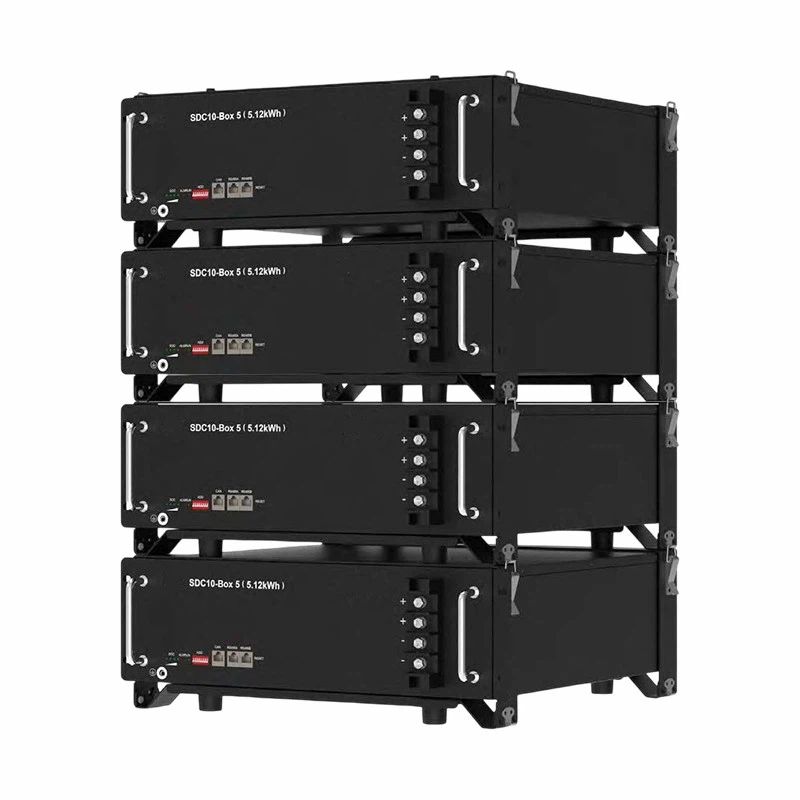
Another factor that can affect the long - term reliability of Rackmount LiFePO4 Batteries is the charging and discharging conditions. Overcharging or discharging the battery beyond its recommended limits can significantly reduce its lifespan. That's why it's important to use a proper battery management system (BMS). A BMS monitors the battery's voltage, current, and temperature and ensures that the battery is charged and discharged within safe limits.
Let's take a look at one of our popular products, the SUN - 48V100Ah LiFePO4 Battery for Telecom Equipment. This battery is specifically designed for telecom applications, where reliability is of utmost importance. It has all the features we've discussed so far, such as long cycle life, low self - discharge rate, and excellent thermal stability. In telecom applications, a reliable power source is essential to ensure uninterrupted communication, and our SUN - 48V100Ah LiFePO4 Battery delivers just that.
In real - world applications, we've seen Rackmount LiFePO4 Batteries perform well over the long term. For example, in data centers, these batteries are used to provide backup power in case of a power outage. The long cycle life and low self - discharge rate of the batteries ensure that they're always ready to provide power when needed. And because of their thermal stability, there's less risk of a fire or explosion, which is a major concern in data centers.
In conclusion, Rackmount LiFePO4 Batteries are highly reliable in long - term use. Their chemical composition, long cycle life, low self - discharge rate, and well - designed physical structure all contribute to their long - term performance. While the initial cost might be higher, the long - term benefits in terms of reliability, maintenance, and performance make them a great investment.
If you're interested in learning more about our Rackmount LiFePO4 Batteries or are considering a purchase, we'd love to hear from you. Whether you're in the data center industry, telecom, or any other field that requires reliable energy storage, our batteries are a great option. Contact us to start a discussion about your specific needs and how our Rackmount LiFePO4 Batteries can meet them.
References:
- Battery University: A comprehensive resource on battery technology and performance.
- Industry reports on energy storage solutions.


