


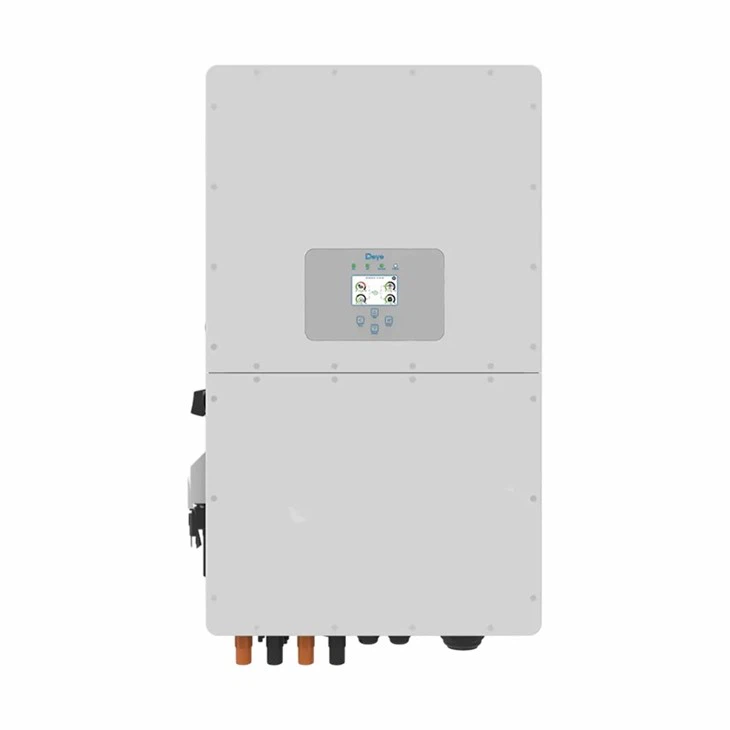
As a provider of Three Phase Hybrid Inverters, I've witnessed the remarkable growth and increasing adoption of these systems in the renewable energy sector. Three phase hybrid inverter systems are at the forefront of the transition towards sustainable energy solutions, offering a seamless integration of solar power, battery storage, and grid connection. However, like any technology, they are not without their limitations. In this blog post, I'll explore some of the key limitations associated with the expansion of three - phase hybrid inverter systems.
Technical Limitations
Power Rating Constraints
One of the primary technical limitations is the power rating of the inverters themselves. Each inverter has a maximum power capacity that it can handle. When expanding a three - phase hybrid inverter system, you need to ensure that the total power demand does not exceed the combined capacity of the inverters. For instance, our 30 - 50kw Three Phase Hybrid Inverter is designed to operate within a specific power range. If you try to connect too many solar panels or high - power loads to the system, it can lead to overloading. Overloading not only reduces the efficiency of the inverters but can also cause long - term damage, potentially voiding the warranty.
Compatibility Issues
As the system expands, compatibility becomes a major concern. Different components such as solar panels, batteries, and inverters need to be compatible with each other in terms of voltage, current, and communication protocols. For example, if you add new solar panels with a different voltage output to an existing system, it can disrupt the balance of the three - phase system. Similarly, integrating a new battery with a different charge - discharge profile may not work optimally with the existing inverters. Our Solar Hybrid Inverter is engineered to be compatible with a wide range of solar panels and batteries, but careful consideration is still required when expanding the system.
Heat Dissipation
With the expansion of the system, the amount of heat generated by the inverters increases. Inverters convert DC power from solar panels and batteries into AC power, and this conversion process generates heat. If the heat is not dissipated effectively, it can lead to a decrease in inverter efficiency and even cause component failure. Larger systems require more advanced cooling mechanisms, such as forced - air cooling or liquid cooling. However, these cooling solutions add to the cost and complexity of the system.
Economic Limitations
High Initial Investment
Expanding a three - phase hybrid inverter system requires a significant upfront investment. You need to purchase additional inverters, solar panels, batteries, and associated wiring and mounting equipment. For example, our SUN - KTL 60 - 110KW Smart Hybrid Inverter for Home Energy System is a high - performance product, but the cost of multiple units can be substantial. Moreover, the installation costs also increase as the system becomes more complex. This high initial investment can be a deterrent for many customers, especially those on a tight budget.
Return on Investment (ROI)
The return on investment for an expanded system may not be as attractive as expected. While the system can reduce electricity bills and provide backup power, the payback period can be long, especially if the cost of electricity in the area is relatively low. Additionally, the efficiency of the system may decrease over time due to factors such as component degradation, which can further affect the ROI. Customers need to carefully calculate the potential savings and the expected lifespan of the system before deciding to expand.
Regulatory and Policy Limitations
Grid Connection Regulations
In many regions, there are strict regulations regarding grid connection of renewable energy systems. When expanding a three - phase hybrid inverter system, you need to comply with these regulations. For example, some areas have limits on the amount of power that can be fed back into the grid. If your expanded system exceeds these limits, you may need to obtain additional permits or make modifications to the system. These regulatory hurdles can delay the expansion process and add to the overall cost.
Incentive Programs
Government incentive programs play a crucial role in promoting the adoption of renewable energy systems. However, these programs may have limitations when it comes to system expansion. Some incentives are only available for initial installations, and there may be no additional benefits for expanding an existing system. This lack of incentives can make it less appealing for customers to invest in system expansion.

Environmental Limitations
Space Requirements
Expanding a three - phase hybrid inverter system requires additional space for solar panels, batteries, and inverters. In urban areas or locations with limited land availability, finding enough space can be a challenge. For example, if you want to add more solar panels to your system, you need a suitable rooftop or ground area with sufficient sunlight exposure. The lack of available space can restrict the expansion of the system.
Environmental Conditions
The performance of a three - phase hybrid inverter system can be affected by environmental conditions. Extreme temperatures, high humidity, and dust can all have a negative impact on the components. When expanding the system, you need to consider the environmental conditions of the installation site. For instance, in a desert area, the high temperatures and dust can cause the inverters to overheat and reduce their lifespan. Specialized enclosures and protection measures may be required, which add to the cost and complexity of the expansion.
Conclusion
While three - phase hybrid inverter systems offer numerous benefits, there are several limitations to their expansion. Technical constraints such as power rating, compatibility, and heat dissipation, economic factors like high initial investment and uncertain ROI, regulatory and policy limitations, and environmental challenges all need to be carefully considered.
However, these limitations do not mean that system expansion is impossible. With proper planning, careful selection of components, and compliance with regulations, it is possible to overcome these challenges. As a provider of Three Phase Hybrid Inverters, we are committed to helping our customers make informed decisions about system expansion. We offer a range of high - quality products and professional technical support to ensure that your expansion project is successful.
If you are considering expanding your three - phase hybrid inverter system, we encourage you to contact us for a detailed consultation. Our team of experts can assess your specific needs, provide customized solutions, and guide you through the entire process. Let's work together to take your renewable energy system to the next level.
References
- "Renewable Energy Systems: Design and Analysis" - A comprehensive textbook on the design and operation of renewable energy systems, which includes in - depth information on inverter technology and system expansion.
- Local grid connection regulations and government incentive programs - These documents provide the legal and financial framework for installing and expanding renewable energy systems.
- Manufacturer's product manuals - Our product manuals for 30 - 50kw Three Phase Hybrid Inverter, Solar Hybrid Inverter, and SUN - KTL 60 - 110KW Smart Hybrid Inverter for Home Energy System offer detailed technical specifications and installation guidelines.


