Hey there! As a supplier of polycrystalline solar panels, I've seen my fair share of issues with these bad boys. Over the years, I've learned a thing or two about troubleshooting common problems that can crop up. In this blog post, I'll share some tips and tricks to help you get your polycrystalline solar panels back up and running efficiently.
1. Low Power Output
One of the most common issues you might face is a low power output from your polycrystalline solar panels. There are several reasons why this could happen, and here's how you can troubleshoot them.
Dirty Panels
Dirt, dust, leaves, and bird droppings can accumulate on the surface of your solar panels over time. This buildup can block sunlight from reaching the photovoltaic cells, reducing the panel's efficiency. To fix this, you can simply clean the panels with a soft brush and a mild detergent mixed with water. Make sure to do this on a cool, overcast day to avoid thermal shock. After cleaning, rinse the panels thoroughly with clean water.
Shading
Shading is another major culprit for low power output. Even a small amount of shade on a single cell can significantly reduce the overall output of the panel. Check your surroundings to see if there are any trees, buildings, or other objects that might be casting shadows on the panels. If possible, trim the trees or adjust the position of the panels to avoid shading.


Faulty Connections
Loose or corroded connections can also cause a drop in power output. Inspect all the wiring and connectors between the panels, inverters, and batteries. Tighten any loose connections and replace any corroded ones. You can use a multimeter to check the continuity of the wires and ensure that there are no breaks.
2. Overheating
Polycrystalline solar panels can overheat, especially in hot climates or during peak sunlight hours. Overheating can reduce the efficiency of the panels and even cause permanent damage.
Poor Ventilation
If the panels are installed in an area with poor ventilation, heat can build up and cause overheating. Make sure that there is enough space around the panels for air to circulate. You can also install ventilation fans or heat sinks to help dissipate the heat.
High Ambient Temperature
In extremely hot weather, the ambient temperature can be too high for the panels to operate efficiently. You can try to reduce the temperature around the panels by using reflective coatings or shading devices. Some advanced solar panel systems also have built-in cooling mechanisms to regulate the temperature.
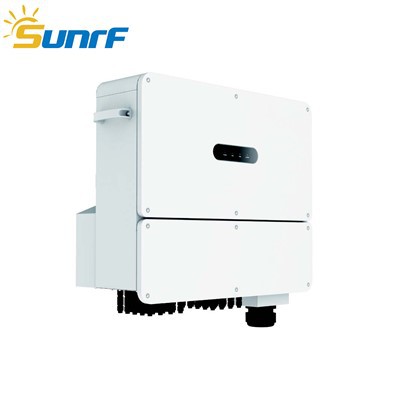
3. Inverter Problems
The inverter is an essential component of a solar panel system as it converts the direct current (DC) produced by the panels into alternating current (AC) that can be used in your home or business.
Inverter Failure
If the inverter fails, the entire solar panel system will stop working. Signs of inverter failure include a blinking error light, no power output, or strange noises. In most cases, you'll need to contact a professional technician to diagnose and repair the inverter. However, before doing so, you can check the inverter's manual for any troubleshooting steps.
Incorrect Inverter Sizing
Using an inverter that is too small for your solar panel system can cause it to overheat and fail. Make sure that the inverter you choose is properly sized for the number and wattage of your panels. You can consult with a solar energy expert to determine the right inverter for your system.
4. Battery Issues
If your solar panel system includes a battery for energy storage, you might encounter some battery-related problems.
Battery Aging
Over time, batteries will naturally degrade and lose their capacity to store energy. If you notice a significant decrease in the amount of energy stored in your battery, it might be time to replace it. The lifespan of a battery depends on several factors, such as the type of battery, usage patterns, and charging methods.
Overcharging or Undercharging
Overcharging or undercharging the battery can also cause problems. Most modern solar panel systems have charge controllers to prevent overcharging, but it's still important to monitor the battery's state of charge. You can use a battery monitor to keep track of the voltage and charge level of the battery.
5. Cracked or Damaged Panels
Physical damage to the panels can occur due to hail, strong winds, or other environmental factors.
Visual Inspection
Regularly inspect the panels for any cracks, chips, or other signs of damage. If you notice any damage, it's important to replace the affected panel as soon as possible. Cracked panels can not only reduce the power output but also pose a safety hazard.
Impact Resistance
When choosing polycrystalline solar panels, look for ones with high impact resistance. Some panels are designed to withstand hail and other severe weather conditions. You can also consider installing a protective covering over the panels to prevent damage.
Conclusion
Troubleshooting common problems with polycrystalline solar panels isn't rocket science. By following these tips, you can identify and fix most issues on your own. However, if you're unsure or if the problem persists, it's always a good idea to consult with a professional solar energy technician.
At our company, we offer a wide range of high-quality polycrystalline solar panels, including the 440 - 555W MBB HALF - CELL MONO PV MODULE and N Type Bifacial Solar Panels 730w 740w 750w. If you're interested in purchasing solar panels or need help with troubleshooting, feel free to reach out to us for a consultation. We're here to help you make the most of your solar energy system.
References
- "Solar Power for Dummies" by Rik DeGunther
- "Photovoltaic Systems Design and Installation Handbook" by Paul Gipe