


As a supplier of the Solar Inverter SUNAL, I often get asked the question: "Is the Solar Inverter SUNAL compatible with all types of solar panels?" This is a crucial question for anyone looking to set up a solar power system, as the compatibility between the inverter and the solar panels can significantly impact the efficiency and performance of the entire system. In this blog post, I'll delve into this topic, exploring the factors that determine compatibility and whether the Solar Inverter SUNAL can work with all solar panel types.
Understanding Solar Inverters and Solar Panels
Before we discuss compatibility, it's essential to understand the basic functions of solar inverters and solar panels. Solar panels are designed to convert sunlight into direct current (DC) electricity. However, most household appliances and the electrical grid operate on alternating current (AC) electricity. This is where solar inverters come in. They convert the DC electricity produced by solar panels into AC electricity, making it usable for homes and businesses.
Factors Affecting Compatibility
Several factors determine whether a solar inverter is compatible with a particular type of solar panel. These include:
Voltage and Current Ratings
Solar panels have specific voltage and current ratings, which are determined by their design and the number of solar cells they contain. The Solar Inverter SUNAL has its own input voltage and current range. For optimal performance, the voltage and current output of the solar panels must fall within the acceptable range of the inverter. If the voltage is too high or too low, the inverter may not function correctly, or it could even be damaged.
Power Output
The power output of solar panels can vary widely depending on their size, efficiency, and the amount of sunlight they receive. The Solar Inverter SUNAL has a maximum power input capacity. It's important to ensure that the combined power output of the solar panels does not exceed this capacity. Otherwise, the inverter may overheat or experience premature wear and tear.
MPPT (Maximum Power Point Tracking) Technology
MPPT is a technology used in many solar inverters, including the Solar Inverter SUNAL, to maximize the power output of solar panels. It continuously adjusts the operating point of the panels to ensure they are operating at their maximum power point, regardless of changes in sunlight intensity, temperature, or shading. Different types of solar panels may have different maximum power points, and the MPPT algorithm of the inverter needs to be able to adapt to these variations.
Panel Type and Technology
There are several types of solar panels available on the market, including monocrystalline, polycrystalline, and thin-film panels. Each type has its own characteristics, such as efficiency, temperature coefficient, and shading tolerance. The Solar Inverter SUNAL is designed to work with a wide range of panel types, but some adjustments may be required to optimize performance. For example, thin-film panels typically have a lower voltage and higher current compared to crystalline panels, so the inverter may need to be configured accordingly.
Compatibility of Solar Inverter SUNAL with Different Solar Panel Types
The Solar Inverter SUNAL is a versatile and high-performance inverter that is designed to be compatible with a wide range of solar panel types. However, it's important to note that while it can work with most panels, there may be some limitations or considerations depending on the specific panel characteristics.
Monocrystalline Panels
Monocrystalline solar panels are known for their high efficiency and long lifespan. They typically have a higher voltage and lower current compared to other panel types. The Solar Inverter SUNAL is well-suited for use with monocrystalline panels, as its MPPT technology can effectively track the maximum power point of these panels and ensure optimal power conversion.
Polycrystalline Panels
Polycrystalline panels are more affordable than monocrystalline panels but have slightly lower efficiency. They have similar voltage and current characteristics to monocrystalline panels, and the Solar Inverter SUNAL can also work well with them. However, due to their lower efficiency, the overall power output of a polycrystalline panel system may be slightly lower compared to a monocrystalline system of the same size.
Thin-Film Panels
Thin-film solar panels are flexible and lightweight, making them suitable for certain applications where traditional panels may not be practical. They have a lower voltage and higher current compared to crystalline panels. The Solar Inverter SUNAL can be configured to work with thin-film panels, but it's important to ensure that the input voltage and current range of the inverter is compatible with the panel specifications.
Ensuring Compatibility
To ensure that the Solar Inverter SUNAL is compatible with your solar panels, it's recommended to consult with a professional solar installer or engineer. They can perform a detailed analysis of your solar panel system, including the panel type, size, and configuration, and determine whether the inverter is a suitable match. Additionally, they can provide guidance on any necessary adjustments or configurations to optimize the performance of the system.
Benefits of Using Solar Inverter SUNAL
The Solar Inverter SUNAL offers several benefits when used in conjunction with compatible solar panels:
High Efficiency
The inverter is designed with advanced MPPT technology, which can significantly improve the efficiency of the solar power system. This means that more of the sunlight captured by the panels is converted into usable electricity, resulting in higher energy yields and lower electricity bills.
Reliability
The Solar Inverter SUNAL is built with high-quality components and undergoes rigorous testing to ensure reliable performance. It has a long lifespan and is designed to withstand harsh environmental conditions, such as extreme temperatures, humidity, and dust.
Easy Installation and Maintenance
The inverter is designed for easy installation and maintenance. It comes with clear instructions and user-friendly interfaces, making it accessible to both professional installers and DIY enthusiasts. Additionally, it has built-in diagnostic features that can help identify and troubleshoot any issues quickly.
Conclusion
In conclusion, while the Solar Inverter SUNAL is designed to be compatible with a wide range of solar panel types, it's important to consider the specific characteristics of your panels and ensure that they are within the acceptable range of the inverter. By working with a professional solar installer and following their recommendations, you can ensure that your solar power system operates efficiently and reliably.

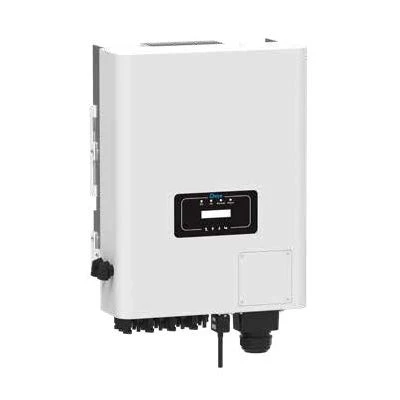
If you're interested in learning more about the Solar Inverter SUNAL or are considering purchasing one for your solar panel system, please feel free to [initiate a contact for procurement discussion]. Our team of experts is ready to assist you and provide you with all the information you need to make an informed decision.
References
- "Solar Photovoltaic Systems Design and Installation" by John Wiles and Ken Zweibel
- "Renewable Energy: Principles, Practices, and Policies" by Daniel M. Kammen and Gregory F. Nemet
- Manufacturer's documentation for the Solar Inverter SUNAL [/inverter/string-inverter/solar-inverter-sunal.html]
- Technical specifications for Three Phase String Inverter
- Product details of Sunny Island 6KW Inverter


