


Hey there, folks! I'm an industry insider, working with a string inverter supplier. Today, I'm gonna dive into why certification is super important for string inverters.
First off, let's talk about what string inverters are. In simple terms, a string inverter is a key component in a solar power system. It takes the direct current (DC) generated by solar panels and converts it into alternating current (AC) that can be used in our homes, businesses, or fed back into the grid.
Now, why does certification matter so much? Well, the most obvious reason is safety. When a string inverter gets certified, it means that it has gone through a series of rigorous tests to make sure it meets specific safety standards. For example, it has to be able to handle different electrical loads without overheating or causing short - circuits. This is crucial because any electrical malfunction can not only damage the inverter itself but also pose a serious fire hazard or electrical shock risk to users.
Let's take a look at some of the common certifications. One of the well - known ones is the UL (Underwriters Laboratories) certification in the United States. UL conducts extensive testing on string inverters to ensure they comply with safety requirements. This includes tests on electrical insulation, grounding, and protection against over - voltage and over - current. When you see a string inverter with a UL certification, you can be pretty confident that it's a safe product.
Another important certification is the CE (Conformité Européene) marking in Europe. The CE mark indicates that the product meets the essential health and safety requirements set by the European Union. It covers aspects like electromagnetic compatibility, which means the inverter won't interfere with other electronic devices in the vicinity.
Certification also plays a huge role in performance. A certified string inverter is more likely to perform consistently and efficiently over its lifespan. During the certification process, inverters are tested for their conversion efficiency. Higher efficiency means that more of the DC power from the solar panels is converted into usable AC power. This directly translates into more electricity being produced and, ultimately, more savings on your energy bills.
For instance, if you're using a Sunny Island 6KW Inverter, a certified version will be able to convert a larger percentage of the solar energy it receives into AC power compared to an uncertified one. This is especially important in areas where sunlight is limited or where the cost of electricity is high.
In addition to safety and performance, certification is also a matter of credibility. When you're in the market to buy a string inverter, you want to deal with a reliable product. A certified inverter shows that the manufacturer is committed to quality and is willing to put their product through the scrutiny of independent testing organizations. It gives you peace of mind knowing that you're making a smart investment.
Let's say you're a solar installer. You want to offer your customers the best products. By choosing certified string inverters like the Three Phase String Inverter, you're not only providing a safe and efficient solution but also building trust with your clients. They'll be more likely to recommend your services to others, which is great for business growth.
Moreover, many countries and regions have regulations that require string inverters to be certified before they can be installed in a solar power system. If you try to install an uncertified inverter, you may run into legal issues. This can result in fines, having to remove and replace the inverter, and delays in getting your solar system up and running.
Certification also helps with warranty and after - sales support. Most manufacturers will only offer a warranty on their certified products. This means that if something goes wrong with your inverter within the warranty period, you can get it repaired or replaced at no extra cost. On the other hand, an uncertified inverter may not come with any warranty, leaving you on your own if it malfunctions.
Now, let's talk about the different types of string inverters and how certification applies to them. Single - phase string inverters are commonly used in residential solar systems. They are designed to work with the single - phase electrical supply in most homes. Certification for single - phase inverters ensures that they are compatible with the local electrical grid and meet the safety and performance standards for residential use.
Three - phase string inverters, like the Three Phase String Inverter, are typically used in commercial and industrial solar installations. These inverters need to handle higher power loads and more complex electrical systems. Certification for three - phase inverters is even more critical as any malfunction can have a significant impact on the operation of a business.
Some string inverters, such as the Solar Inverter SUNAL, are designed for specific applications, like off - grid solar systems. Certification for these inverters ensures that they can operate independently of the grid, providing reliable power in remote areas.
In conclusion, certification is of utmost importance for string inverters. It guarantees safety, ensures performance, builds credibility, and helps you comply with regulations. Whether you're a homeowner looking to install a solar system, a solar installer, or a business owner considering a commercial solar project, always look for certified string inverters.

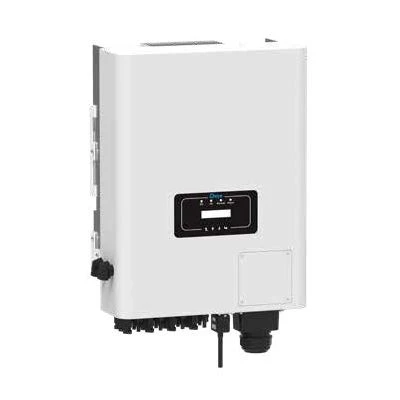
If you're interested in purchasing high - quality, certified string inverters, we at our company are here to help. We have a wide range of string inverters to meet your specific needs. Feel free to reach out to us to start a procurement discussion and find the perfect solution for your solar power requirements.
References:
- Underwriters Laboratories official documentation
- European Union CE marking regulations
- Industry reports on solar inverter performance and certification


