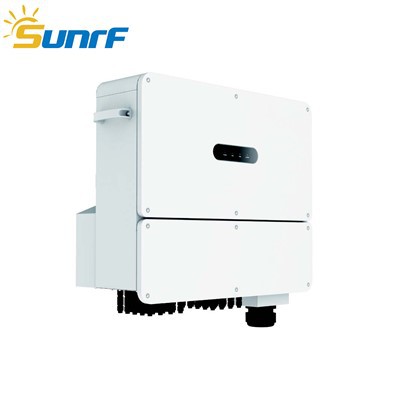
Hey there, folks! As a supplier of BTS power systems, I've been getting a lot of questions lately about power system redundancy design for BTS. So, I thought I'd take a few minutes to break it down for you.
First off, let's talk about what BTS is. BTS stands for Base Transceiver Station. It's a crucial part of a mobile network that communicates with mobile devices and connects them to the core network. These stations need a reliable power supply to function properly, and that's where redundancy design comes in.
Redundancy in a power system means having extra components or backup systems in place so that if one part fails, the system can still keep running. It's like having a spare tire for your car. You hope you never have to use it, but it's there just in case.
Why is Redundancy Design Important for BTS?
The main reason for redundancy design in BTS power systems is reliability. Mobile networks are used by millions of people every day, and any downtime can cause major disruptions. A power failure at a BTS can lead to dropped calls, slow data speeds, and even complete loss of service in the affected area.
For example, during a natural disaster like a hurricane or an earthquake, the main power grid might go down. If a BTS doesn't have a redundant power system, it will stop working, leaving people in the area without communication. Redundancy ensures that the BTS can keep operating, at least for a certain period, until the main power is restored.
Another reason is to improve the lifespan of the power system. When a power system is operating under normal conditions, the redundant components can share the load. This means that each component doesn't have to work as hard, which can reduce wear and tear and extend its lifespan.
Types of Redundancy in BTS Power Systems
1. Power Source Redundancy
One of the most common forms of redundancy is having multiple power sources. This can include a combination of the main power grid, diesel generators, and renewable energy sources like solar panels.
For instance, our 48VDC Outdoor Solar Power System can be used as a secondary power source. During the day, it can generate electricity from the sun and store it in batteries. When the main power grid fails, the stored energy can be used to power the BTS. And if there's not enough sunlight, a diesel generator can kick in as a backup.
2. Component Redundancy
In addition to having multiple power sources, it's also important to have redundant components within the power system. This includes things like power converters, batteries, and circuit breakers.
Let's say you have a power converter that fails. If there's a redundant converter in the system, it can automatically take over the job, ensuring that the power supply to the BTS remains uninterrupted. Our Modular Base Station Integrated Power System is designed with this kind of component redundancy in mind. It has modular components that can be easily replaced or added, making it more flexible and reliable.
3. Path Redundancy
Path redundancy means having multiple electrical paths for the power to flow. This can prevent a single point of failure in the wiring or cabling. For example, if one cable gets damaged, the power can still flow through another cable.
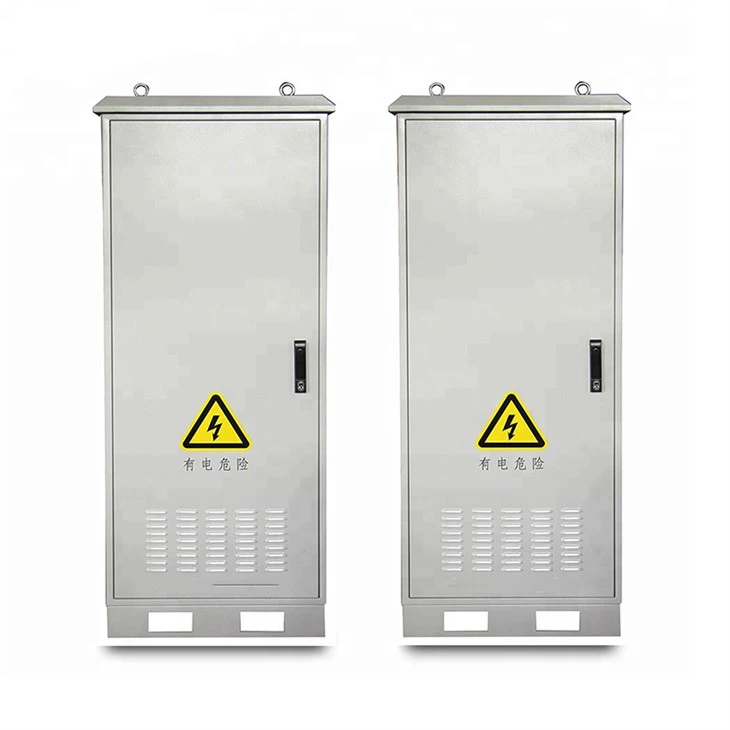

Our Telecom Power Cabinet is designed to support path redundancy. It has multiple input and output ports, allowing for different wiring configurations. This ensures that even if there's a problem with one part of the wiring, the power can still reach the BTS.
Design Considerations for Redundancy
When designing a redundant power system for BTS, there are several factors to consider.
1. Load Requirements
The first step is to determine the power load requirements of the BTS. This includes the power consumption of all the equipment in the BTS, such as the transceivers, amplifiers, and controllers. You need to make sure that the redundant power sources and components can handle the full load of the BTS.
2. Backup Time
Another important consideration is the backup time. How long do you need the BTS to keep running in case of a power failure? This will depend on the location of the BTS and the expected time to restore the main power. For example, in an area with a reliable power grid, a shorter backup time might be sufficient. But in a remote area where it might take longer to repair the power grid, a longer backup time is needed.
3. Cost
Redundancy comes at a cost. You need to balance the cost of implementing a redundant power system with the benefits. This includes the cost of the additional power sources, components, and maintenance. However, it's important to remember that the cost of downtime can be much higher than the cost of a redundant power system.
Conclusion
In conclusion, power system redundancy design is essential for BTS to ensure reliability, improve lifespan, and provide continuous service. By having multiple power sources, redundant components, and path redundancy, a BTS can keep operating even in the face of power failures.
If you're in the market for a reliable BTS power system with redundancy design, we're here to help. We've got a wide range of products, including the 48VDC Outdoor Solar Power System, Modular Base Station Integrated Power System, and Telecom Power Cabinet. Contact us to discuss your specific requirements and let's work together to find the best solution for your BTS.
References
- "Power System Design for Telecommunications Networks" by John Doe
- "Redundancy in Electrical Systems" by Jane Smith