


As a supplier of rack-mounted batteries, I understand the critical importance of monitoring the status of these power sources. Rack-mounted batteries are widely used in various industries, including data centers, telecommunications, and industrial automation, to provide reliable backup power. Ensuring their proper functioning is essential for the uninterrupted operation of critical systems. In this blog post, I will share some effective methods for monitoring the status of rack-mounted batteries.
1. Voltage Monitoring
Voltage is one of the most basic and important parameters to monitor in a rack-mounted battery. The voltage of a battery reflects its state of charge (SOC). By regularly measuring the battery voltage, you can estimate how much charge is left in the battery.
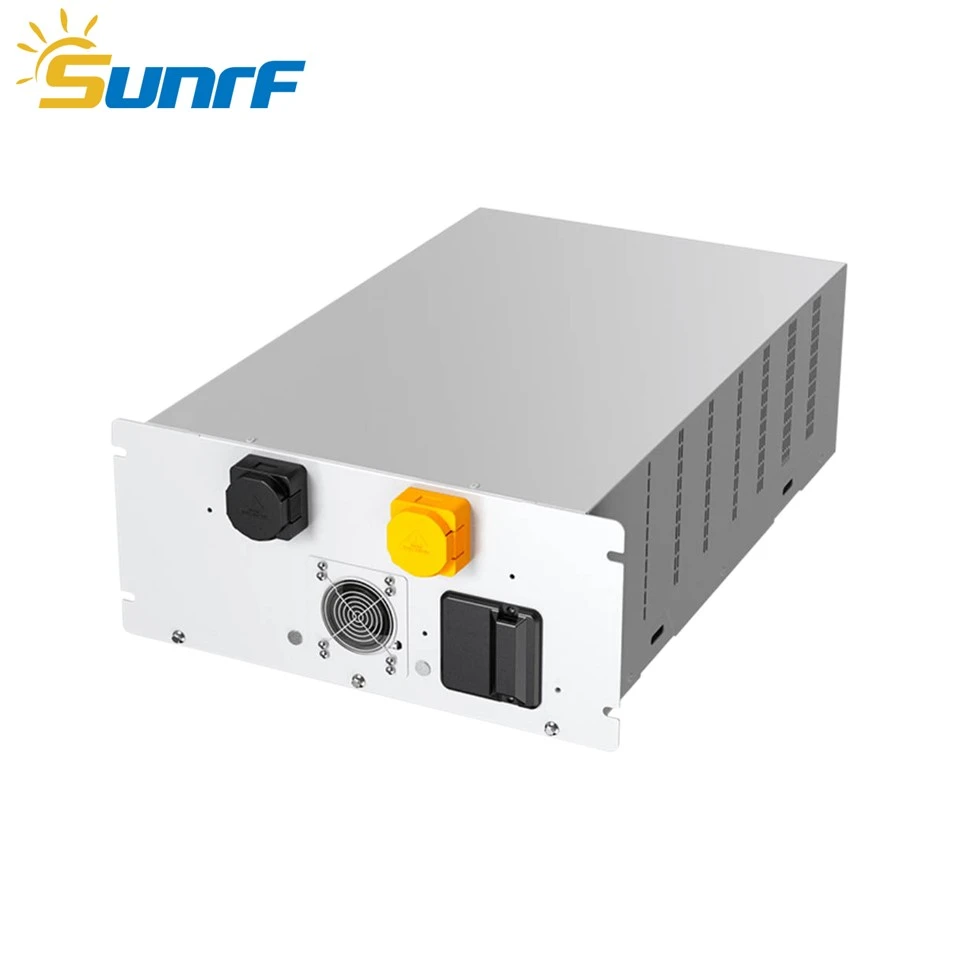

- Using a Multimeter: For a quick and simple voltage check, a multimeter can be used. Set the multimeter to the DC voltage range appropriate for your battery. Connect the positive and negative probes to the corresponding terminals of the battery. A fully charged rack-mounted battery should have a voltage close to its rated voltage. For example, a 48V100Ah LiFePO4 Battery Rack-mounted Battery Suitable for 19 "rack for Telecom Equipment should have a voltage around 48V when fully charged. If the measured voltage is significantly lower, it may indicate a low state of charge or a problem with the battery.
- Battery Management System (BMS): Most modern rack-mounted batteries are equipped with a BMS. The BMS continuously monitors the voltage of each cell in the battery pack. It can provide real - time voltage data and also has the ability to detect abnormal voltage conditions, such as over - voltage or under - voltage. If an abnormal voltage is detected, the BMS can take corrective actions, such as disconnecting the battery from the load to prevent damage.
2. Temperature Monitoring
Temperature has a significant impact on the performance and lifespan of rack-mounted batteries. High temperatures can accelerate the chemical reactions inside the battery, leading to faster self - discharge and reduced battery life. Low temperatures, on the other hand, can decrease the battery's capacity and increase its internal resistance.
- Thermocouples or Temperature Sensors: These can be installed on the battery cells or in the battery enclosure. The sensors measure the temperature and transmit the data to a monitoring system. For example, in a LiFePO4 Battery Pack 16S280AH Air - cooling, temperature sensors can be placed near the cells to ensure that the air - cooling system is maintaining the appropriate temperature range.
- Monitoring Software: Many battery monitoring systems come with software that can display the temperature data graphically. This allows operators to easily track the temperature trends over time. If the temperature exceeds the recommended range, the software can send alerts, enabling timely action to be taken, such as adjusting the cooling system.
3. State of Charge (SOC) and State of Health (SOH) Estimation
- Charge Integration Method: This method calculates the SOC by integrating the current flowing in and out of the battery over time. A current sensor is used to measure the charge and discharge currents. The initial SOC is usually assumed based on the battery's last known state. However, this method has some limitations, as it can be affected by factors such as battery self - discharge and measurement errors.
- Open - Circuit Voltage (OCV) Method: The OCV of a battery is related to its SOC. By measuring the OCV after the battery has been at rest for a certain period, the SOC can be estimated. This method is more accurate than the charge integration method but requires the battery to be in a stable state.
- SOH Estimation: SOH refers to the overall health of the battery. It takes into account factors such as capacity degradation, internal resistance increase, and cell imbalance. Advanced battery monitoring systems can use algorithms to estimate the SOH based on parameters such as voltage, current, and temperature. A low SOH value indicates that the battery may need to be replaced soon.
4. Cell Balancing Monitoring
In a battery pack, individual cells may have different capacities and states of charge. Cell balancing is the process of equalizing the charge among the cells to ensure that all cells are operating within a safe and efficient range.
- Passive Balancing: In passive balancing, resistors are used to dissipate the excess charge from the higher - charged cells. Monitoring the cell voltages can help determine if the passive balancing system is working properly. If the voltage differences between cells are not decreasing over time, it may indicate a problem with the balancing circuit.
- Active Balancing: Active balancing systems transfer charge from higher - charged cells to lower - charged cells. These systems are more complex but can provide better cell balancing. Monitoring the cell voltages and the operation of the active balancing circuit is crucial to ensure the long - term performance of the battery pack. For instance, in a 51.2V 100Ah Rack - mounted Battery, proper cell balancing is essential for maintaining the overall performance of the battery.
5. Communication and Data Logging
- Communication Protocols: Rack-mounted batteries can communicate with monitoring systems using various protocols, such as Modbus, CAN bus, or Ethernet. These protocols allow for the transfer of data such as voltage, temperature, SOC, and SOH to a central monitoring station.
- Data Logging: All the monitored data should be logged for future analysis. Data logging can help identify trends, predict battery failures, and plan for maintenance. Monitoring software can store the data in a database and generate reports, which are useful for decision - making regarding battery replacement and system upgrades.
6. Alarm and Notification Systems
An effective monitoring system should have an alarm and notification system in place. When abnormal conditions are detected, such as over - voltage, under - voltage, high temperature, or low SOC, the system should send alerts. These alerts can be in the form of emails, SMS messages, or visual and audible alarms at the monitoring station. This ensures that operators are notified immediately and can take appropriate actions to prevent potential battery failures.
7. Regular Inspections and Maintenance
In addition to continuous monitoring, regular physical inspections of the rack-mounted batteries are necessary. Check for signs of physical damage, such as cracks in the battery case, loose connections, or corrosion on the terminals. Tighten any loose connections and clean the terminals to ensure good electrical contact.
In conclusion, monitoring the status of rack-mounted batteries is a comprehensive process that involves multiple parameters and techniques. By implementing a robust monitoring system, you can ensure the reliable operation of your rack-mounted batteries, extend their lifespan, and prevent costly downtime. If you are interested in our high - quality rack-mounted batteries or need more information on battery monitoring solutions, please feel free to contact us for procurement and further discussions.
References
- Battery University: A comprehensive resource for battery knowledge, including battery monitoring and management techniques.
- IEEE Standards for Battery Test and Monitoring: Provide guidelines for accurate and reliable battery monitoring.
- Manufacturer's Documentation: The documentation provided by the battery manufacturers contains detailed information on battery specifications, monitoring requirements, and maintenance procedures.


