


Hey there! As a stacked battery supplier, I've seen firsthand how various factors can affect the cost of these powerhouses. In this blog, I'm gonna break down the key elements that play into the pricing of stacked batteries, so you can have a better understanding when it comes to making a purchase.
Battery Chemistry
One of the most significant factors influencing the cost of stacked batteries is the type of battery chemistry used. There are several common chemistries out there, each with its own set of characteristics, advantages, and price points.
Lithium-ion batteries, for example, are widely used in stacked battery systems due to their high energy density, long cycle life, and relatively low self-discharge rate. However, they can be more expensive to produce compared to other chemistries. Lithium iron phosphate (LiFePO4) batteries, a type of lithium-ion battery, are known for their safety, long cycle life, and wide operating temperature range. They're often used in applications where reliability is crucial, such as Floor-Mounted Household Lithium Battery. But the cost of LiFePO4 batteries can be on the higher side because of the materials and manufacturing processes involved.
On the other hand, lead-acid batteries are an older and more established technology. They're generally less expensive upfront, but they have a lower energy density and a shorter cycle life compared to lithium-ion batteries. This means you might need to replace them more frequently, which can add to the overall cost in the long run.
Capacity and Voltage
The capacity and voltage of a stacked battery system also have a big impact on its cost. Capacity is measured in ampere-hours (Ah) or watt-hours (Wh) and refers to the amount of energy the battery can store. Generally, the higher the capacity, the more expensive the battery will be. This is because larger-capacity batteries require more raw materials and more complex manufacturing processes.
Voltage, on the other hand, determines the electrical potential difference between the battery's positive and negative terminals. Higher-voltage batteries can deliver more power, which is useful for applications that require a lot of energy, such as electric vehicles or large-scale energy storage systems. However, increasing the voltage often means adding more cells in series, which can increase the cost of the battery system. For instance, Stacked Household High Voltage Lithium Battery is designed to provide a higher voltage, and as a result, it may come with a higher price tag.
Manufacturing Process
The manufacturing process of stacked batteries is another factor that affects their cost. Producing high-quality batteries requires precision and strict quality control measures. The more complex the manufacturing process, the higher the cost of production.
For example, some stacked battery systems use advanced manufacturing techniques to ensure uniform cell performance and long cycle life. These techniques may involve precise electrode coating, cell stacking, and sealing processes. Additionally, manufacturers need to invest in specialized equipment and facilities to produce batteries safely and efficiently. All these factors contribute to the overall cost of the batteries.
Brand and Quality
Just like with any other product, the brand and quality of stacked batteries can have a significant impact on their price. Well-established brands with a reputation for producing high-quality batteries often charge a premium for their products. This is because they invest heavily in research and development, quality control, and customer support.
When you buy a battery from a reputable brand, you're not just paying for the product itself; you're also paying for the peace of mind that comes with knowing you're getting a reliable and safe battery. On the other hand, lesser-known brands may offer batteries at a lower price, but there's a risk that the quality may not be as good. It's important to do your research and choose a brand that has a proven track record in the industry.
Market Demand and Supply
The basic economic principles of supply and demand also play a role in determining the cost of stacked batteries. If the demand for stacked batteries is high and the supply is limited, the prices are likely to go up. Conversely, if the supply exceeds the demand, prices may drop.
Factors such as government incentives for renewable energy, the growth of the electric vehicle market, and the increasing adoption of energy storage systems can all affect the demand for stacked batteries. At the same time, the availability of raw materials, production capacity, and competition among manufacturers can impact the supply.
Additional Features and Accessories
Some stacked battery systems come with additional features and accessories that can add to the cost. For example, a battery with built-in battery management system (BMS) will be more expensive than one without. A BMS helps to monitor and control the charging and discharging process of the battery, ensuring its safety and longevity.
Other accessories such as chargers, inverters, and monitoring devices can also increase the overall cost of the battery system. However, these additional features can provide added convenience and functionality, making them worth the extra investment for some customers. For example, the Stacked Energy Storage All in One Series comes with integrated components that make it easier to install and use.
Conclusion
As you can see, there are many factors that affect the cost of stacked batteries. Battery chemistry, capacity and voltage, manufacturing process, brand and quality, market demand and supply, and additional features and accessories all play a role in determining the price.
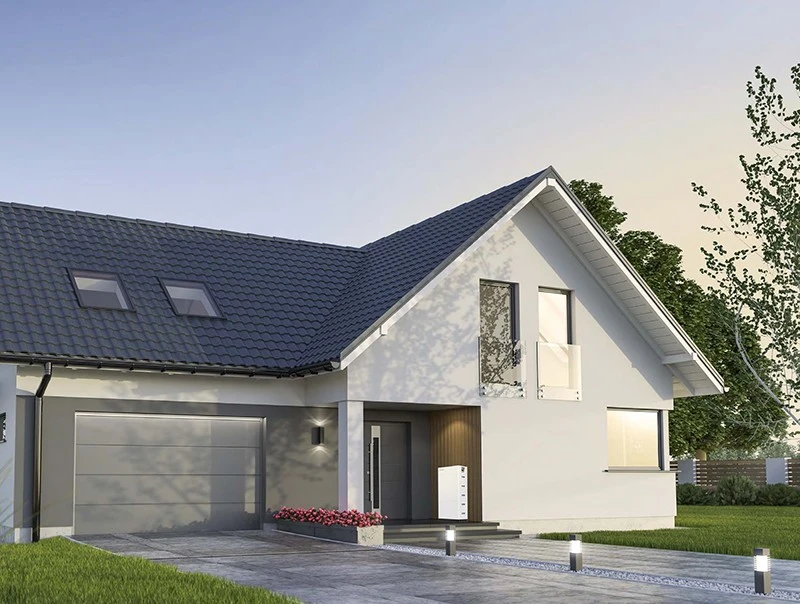

When you're in the market for a stacked battery, it's important to consider your specific needs and budget. Don't just focus on the upfront cost; also think about the long-term performance, reliability, and safety of the battery. If you have any questions or need help choosing the right battery for your application, feel free to reach out. We're here to assist you in finding the best solution for your energy storage needs. Whether you're looking for a Floor-Mounted Household Lithium Battery, Stacked Energy Storage All in One Series, or Stacked Household High Voltage Lithium Battery, we've got you covered. Let's start a conversation and see how we can work together to meet your requirements.
References
- Linden, D., & Reddy, T. B. (2002). Handbook of Batteries. McGraw-Hill.
- Tarascon, J.-M., & Armand, M. (2001). Issues and challenges facing rechargeable lithium batteries. Nature, 414(6861), 359-367.


