


Hey there! As a supplier of Three Phase Hybrid Inverters, I often get asked if these bad boys can be installed outdoors. Well, let's dive right into it and find out.
First off, what's a Three Phase Hybrid Inverter anyway? A Three Phase Hybrid Inverter is a pretty nifty piece of tech. It combines the functions of a traditional inverter with a battery charger, allowing you to store excess energy generated by your solar panels. This stored energy can then be used when the sun isn't shining, like at night or on cloudy days. It's a great way to make the most of your solar power system and reduce your reliance on the grid.
Now, back to the main question: Can it be installed outdoors? The short answer is yes, but there are a few things you need to consider.
Pros of Outdoor Installation
Space
One of the biggest advantages of outdoor installation is space. Indoors, space can be limited, especially in smaller homes or commercial buildings. By installing the inverter outside, you free up valuable indoor space that can be used for other purposes. This is particularly useful if you have a large - scale solar power system that requires a big inverter.
Ventilation
Three Phase Hybrid Inverters generate heat during operation. Outdoor installation provides natural ventilation, which helps in dissipating this heat more effectively. Good ventilation is crucial because overheating can reduce the efficiency and lifespan of the inverter. Outdoors, the inverter can take advantage of the surrounding air to cool down, without the need for additional ventilation systems.
Ease of Installation
Installing the inverter outdoors can sometimes be easier than indoors. You don't have to worry about finding a suitable location inside the building, dealing with indoor wiring, or making modifications to the interior. You can simply mount the inverter on an exterior wall or a dedicated stand, and connect it to the solar panels and battery system.
Cons of Outdoor Installation
Weather Conditions
The biggest drawback of outdoor installation is exposure to the elements. Rain, snow, extreme heat, and cold can all have a negative impact on the inverter. For example, heavy rain can cause water damage if the inverter is not properly sealed. Extreme cold can affect the performance of the electronic components, while high temperatures can also lead to overheating.
Security
Outdoor inverters are more vulnerable to theft and vandalism. Since they are visible and accessible from the outside, there is a risk of someone tampering with or stealing the inverter. This is something you need to take into account, especially if you live in an area with a high crime rate.
Maintenance
Outdoor inverters are exposed to dirt, dust, and debris, which can accumulate on the inverter over time. This can affect the performance and may require more frequent maintenance. You'll need to regularly clean the inverter and check for any signs of damage or wear.
How to Ensure a Successful Outdoor Installation
Choose the Right Location
When installing the inverter outdoors, choose a location that is protected from direct sunlight, rain, and strong winds. A shaded area on the north - facing side of a building is often a good choice. You should also make sure the location is easily accessible for maintenance and inspection.
Use a Weather - Proof Enclosure
Invest in a high - quality weather - proof enclosure for the inverter. The enclosure should be made of durable materials that can withstand the elements. It should have a tight seal to prevent water and dust from entering. Some enclosures also come with built - in ventilation systems to help with heat dissipation.
Security Measures
To protect the inverter from theft and vandalism, consider installing security cameras or alarms. You can also mount the inverter on a high or hard - to - reach location.
Our Products and Outdoor Installation
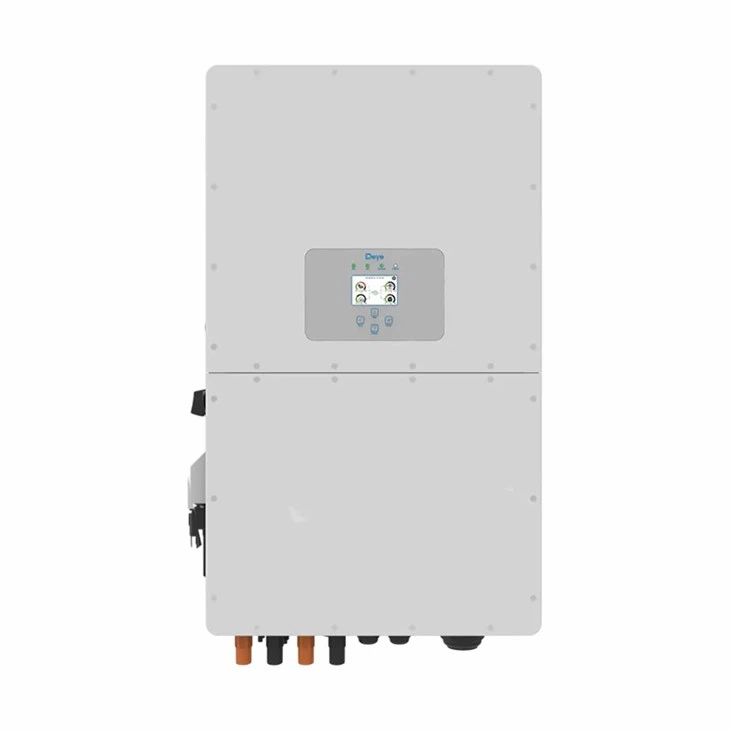
At our company, we offer a range of Three Phase Hybrid Inverters that are suitable for outdoor installation. Take our SUN - 100/110K - G01 100KW Hybrid Inverter, for example. It's designed with high - quality materials and advanced technology to withstand outdoor conditions. It has a robust enclosure that provides excellent protection against water, dust, and UV rays.
We also have the 30 - 50kw Three Phase Hybrid Inverter, which is a great option for medium - sized solar power systems. This inverter is built to last, with features that make it suitable for outdoor use, such as good ventilation and a weather - resistant design.
Conclusion
So, in conclusion, a Three Phase Hybrid Inverter can definitely be installed outdoors, but you need to weigh the pros and cons and take the necessary precautions. With proper planning and the right equipment, outdoor installation can be a great option for your solar power system.

If you're interested in purchasing a Three Phase Hybrid Inverter for your solar power system, whether for indoor or outdoor installation, we're here to help. We have a team of experts who can guide you through the selection process, answer your questions, and provide you with all the information you need. Contact us to start a discussion about your specific requirements and let's work together to find the best solution for your energy needs.
References
- Solar Energy International. "Solar Inverter Installation Guide".
- Schneider Electric. "Three - Phase Hybrid Inverter Technical Manual".


