


In the realm of renewable energy systems, hybrid inverters play a pivotal role in ensuring the efficient conversion and management of electrical power. As a trusted hybrid inverter supplier, I am often asked about the various protective features of our products, especially how they safeguard against reverse polarity. Reverse polarity is a critical issue that can cause significant damage to both the inverter and the connected electrical components. In this blog post, I will delve into the mechanisms by which our hybrid inverters protect against reverse polarity, providing you with a comprehensive understanding of this essential safety feature.
Understanding Reverse Polarity
Before we explore how hybrid inverters protect against reverse polarity, it is important to understand what reverse polarity is and why it is a concern. In a direct current (DC) electrical system, such as those commonly found in solar power systems, there are two polarities: positive (+) and negative (-). The correct connection of these polarities is crucial for the proper functioning of the system. Reverse polarity occurs when the positive and negative terminals of a DC source, such as a solar panel or a battery, are connected in the wrong way.
This incorrect connection can have several detrimental effects. Firstly, it can cause a short - circuit, which may lead to overheating, electrical arcing, and potentially start a fire. Secondly, it can damage sensitive electronic components within the inverter and other connected devices, rendering them inoperable. In addition, reverse polarity can disrupt the normal charging and discharging processes of batteries, reducing their lifespan and performance.
How Our Hybrid Inverters Detect Reverse Polarity
Our hybrid inverters are equipped with advanced detection circuits that can quickly identify reverse polarity conditions. These circuits continuously monitor the voltage and current flow at the DC input terminals of the inverter. When a reverse polarity situation is detected, the inverter's control system immediately takes action.
One of the key components in the detection process is the voltage sensor. This sensor measures the voltage across the DC input terminals. In a normal, correctly connected system, the voltage has a specific polarity and magnitude. When the polarity is reversed, the voltage reading will be abnormal, and the sensor sends a signal to the inverter's microcontroller.
The microcontroller, which is the brain of the inverter, analyzes the signal from the voltage sensor. If it determines that reverse polarity exists, it activates the protection mechanism. This process is extremely fast, typically occurring within milliseconds, ensuring that the inverter can respond quickly to prevent damage.
Protection Mechanisms Against Reverse Polarity
Once reverse polarity is detected, our hybrid inverters employ several protection mechanisms to safeguard the system.
Automatic Disconnection
The most basic and effective protection mechanism is automatic disconnection. When reverse polarity is detected, the inverter immediately disconnects the DC input from the rest of the internal circuitry. This is achieved through the use of high - speed relays or solid - state switches. These switches are designed to handle high currents and can open the circuit quickly, preventing any further flow of current in the wrong direction.
By disconnecting the DC input, the inverter stops the potentially damaging current from reaching the sensitive electronic components, such as the power conversion modules and the control circuits. This not only protects the inverter itself but also any connected batteries or other DC devices.
Visual and Audible Alarms
In addition to automatic disconnection, our hybrid inverters are equipped with visual and audible alarms to alert the user to the reverse polarity condition. A warning light on the inverter's control panel will illuminate, indicating that there is a problem with the DC input connection. At the same time, an audible beep may sound, providing an additional warning.

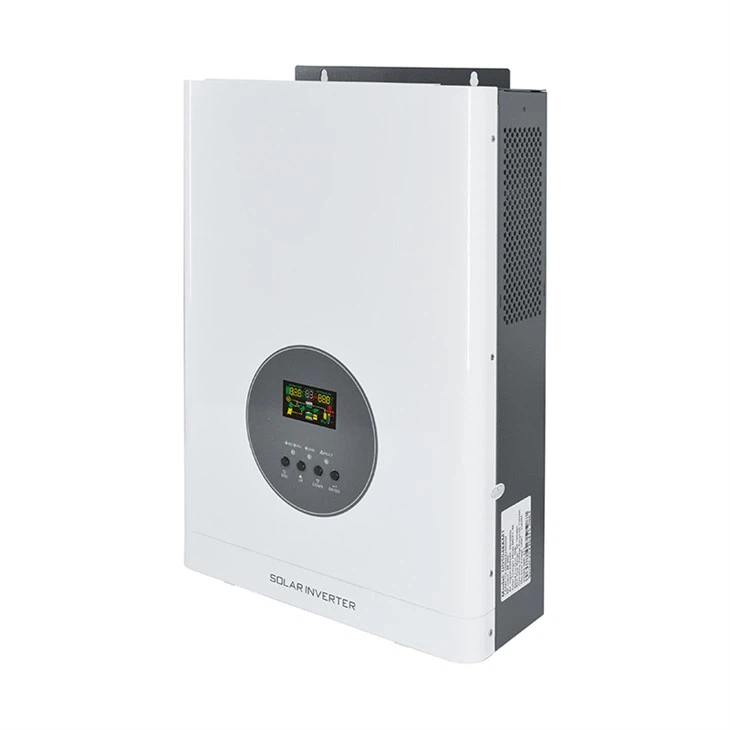
These alarms are essential for notifying the user, especially in situations where the inverter is installed in a remote location or a noisy environment. By being aware of the reverse polarity issue, the user can take the necessary steps to correct the connection and restore the proper functioning of the system.
Lock - Out Function
To prevent accidental re - connection with reverse polarity, our hybrid inverters have a lock - out function. Once reverse polarity is detected and the inverter has disconnected the DC input, it will remain in a locked - out state until the reverse polarity condition is corrected. This means that even if the power is cycled or the system is restarted, the inverter will not resume normal operation until the correct polarity is restored.
This lock - out function adds an extra layer of safety, ensuring that the inverter does not operate under dangerous conditions. It also encourages the user to carefully check and correct the DC connections, reducing the risk of repeated reverse polarity incidents.
Real - World Applications and Case Studies
To illustrate the effectiveness of our hybrid inverters' reverse polarity protection, let's look at some real - world applications.
In a residential solar power system with a Solar Hybrid Inverter, a homeowner accidentally reversed the polarity when connecting a new battery to the system. The inverter's detection circuit immediately identified the reverse polarity and disconnected the battery. The warning light on the inverter panel illuminated, and an audible alarm sounded. The homeowner was able to quickly identify the problem and correct the connection. Thanks to the inverter's protection mechanisms, no damage was caused to the inverter or the battery, and the system resumed normal operation.
In a commercial solar installation, a large - scale SUN - KTL 60 - 110KW Smart Hybrid Inverter for Home Energy System was being installed. During the wiring process, a mistake was made in connecting the solar panels, resulting in reverse polarity. The inverter's advanced protection system detected the issue and shut down the DC input. The installer was notified by the alarms, and the problem was rectified before any damage occurred to the expensive inverter and the solar panels.
Another example is a large industrial solar project using the SUN - 100/110K - G01 100KW Hybrid Inverter. Due to a wiring error during maintenance, reverse polarity was introduced into the system. The inverter's lock - out function prevented it from operating until the correct polarity was restored. This not only protected the inverter but also ensured the safety of the entire industrial power system.
Conclusion and Call to Action
In conclusion, reverse polarity is a serious issue in DC electrical systems, but our hybrid inverters are designed to provide reliable protection against it. Through advanced detection circuits, automatic disconnection, visual and audible alarms, and lock - out functions, our inverters can quickly identify and prevent the damage caused by reverse polarity.
If you are in the market for a high - quality hybrid inverter with robust reverse polarity protection, we invite you to contact us for more information. Our team of experts is ready to assist you in choosing the right inverter for your specific needs. Whether you are a homeowner looking to install a small solar power system or a large - scale commercial or industrial operator, we have the solutions to meet your requirements.
References
- IEEE Standards for DC Power Systems in Renewable Energy Applications.
- International Electrotechnical Commission (IEC) Guidelines on Inverter Safety and Protection.
- Solar Energy Industries Association (SEIA) Reports on Inverter Performance and Safety.


