


As a supplier of three-phase hybrid inverters, I've witnessed firsthand the growing demand for these sophisticated devices in modern energy systems. The ability of a three-phase hybrid inverter to synchronize with the grid is a critical aspect that ensures efficient and stable operation. In this blog, I'll delve into the intricacies of how this synchronization process occurs, drawing on my experience in the industry and the features of our high-quality products.
Understanding the Basics of Three-Phase Hybrid Inverters
Before we explore the synchronization process, it's essential to understand what a three-phase hybrid inverter is. A three-phase hybrid inverter is a device that combines the functions of a traditional inverter with energy storage capabilities. It can convert direct current (DC) from solar panels or other DC sources into alternating current (AC) for use in a three-phase electrical system. Additionally, it can store excess energy in batteries for later use, providing a reliable and flexible energy solution.

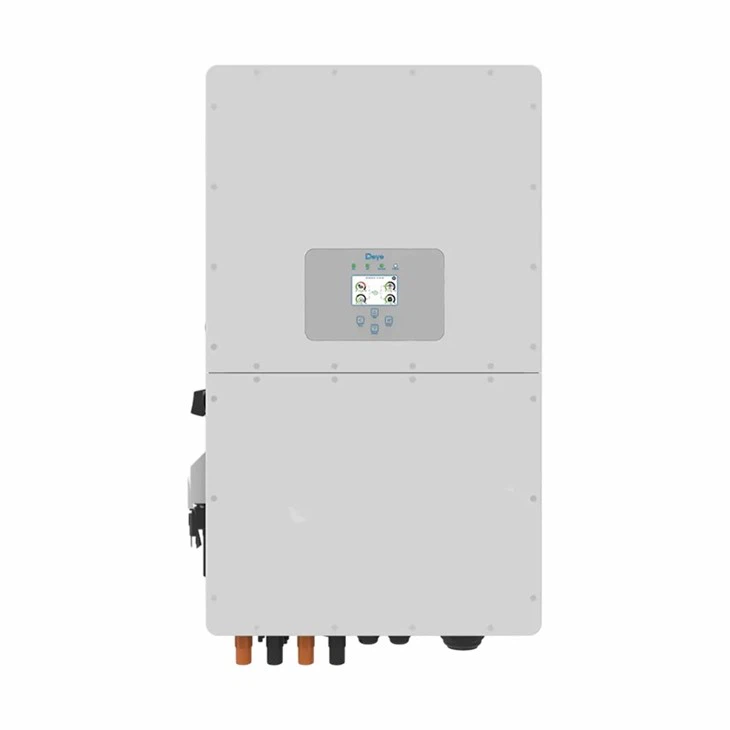
Our company offers a range of three-phase hybrid inverters, including the SUN-KTL 60 -110KW Smart Hybrid Inverter for Home Energy System, the 30-50kw Three Phase Hybrid Inverter, and the SUN-100/110K - G01 100KW Hybrid Inverter. These inverters are designed to meet the diverse needs of residential, commercial, and industrial customers, offering high efficiency, reliability, and advanced features.
The Importance of Grid Synchronization
Grid synchronization is the process of matching the electrical characteristics of the inverter's output with those of the utility grid. This is crucial for several reasons. Firstly, it ensures that the inverter can safely and efficiently inject power into the grid without causing any disruptions or damage. Secondly, it allows the inverter to take advantage of the grid's stability and reliability, providing a continuous and consistent power supply. Finally, grid synchronization is often required by regulatory authorities to ensure the safety and stability of the electrical grid.
The Synchronization Process
The synchronization process of a three-phase hybrid inverter with the grid involves several steps, which are typically automated and controlled by the inverter's internal control system. Here's a detailed breakdown of the process:
1. Initial Detection and Monitoring
The first step in the synchronization process is to detect the presence and characteristics of the utility grid. The inverter continuously monitors the grid voltage, frequency, and phase angle using sensors and control algorithms. This information is used to determine whether the grid is stable and suitable for connection.
2. Frequency and Phase Matching
Once the grid has been detected and deemed suitable for connection, the inverter adjusts its output frequency and phase angle to match those of the grid. This is done using a phase-locked loop (PLL) control algorithm, which compares the inverter's output with the grid's voltage and adjusts the inverter's internal oscillator accordingly. The PLL ensures that the inverter's output frequency and phase angle are within a specified tolerance range of the grid's values.
3. Voltage Matching
In addition to frequency and phase matching, the inverter also adjusts its output voltage to match the grid voltage. This is important to ensure that the inverter can inject power into the grid without causing any voltage fluctuations or damage. The inverter uses a voltage control algorithm to regulate its output voltage based on the grid voltage and the inverter's operating conditions.
4. Connection and Power Injection
Once the frequency, phase, and voltage have been matched, the inverter is ready to connect to the grid. This is typically done using a contactor or a solid-state switch, which closes the circuit between the inverter and the grid. Once the connection is established, the inverter begins to inject power into the grid, following the grid's power flow and demand.
5. Continuous Monitoring and Adjustment
After the inverter has been connected to the grid, it continues to monitor the grid's characteristics and adjust its output accordingly. This is important to ensure that the inverter can adapt to any changes in the grid's conditions, such as voltage fluctuations, frequency variations, or power outages. The inverter's control system continuously compares the inverter's output with the grid's values and makes any necessary adjustments to maintain synchronization.
Challenges and Solutions
While the synchronization process of a three-phase hybrid inverter with the grid is generally reliable and efficient, there are some challenges that can arise. These challenges include:
1. Grid Disturbances
Grid disturbances, such as voltage sags, swells, and frequency variations, can affect the synchronization process and cause the inverter to disconnect from the grid. To address this issue, the inverter's control system is designed to detect and respond to grid disturbances quickly. It can adjust its output parameters to compensate for the disturbances and maintain synchronization with the grid.
2. Islanding Detection
Islanding occurs when a portion of the electrical grid becomes isolated from the main grid due to a power outage or other fault. In this situation, the inverter may continue to operate and supply power to the isolated portion of the grid, creating a potentially dangerous situation for utility workers. To prevent islanding, the inverter is equipped with islanding detection algorithms that can detect when the grid has become isolated and disconnect the inverter from the grid.
3. Harmonic Distortion
Harmonic distortion is a common problem in electrical systems, which can cause interference and damage to electrical equipment. The inverter's output can also contribute to harmonic distortion, especially if it is not properly designed or controlled. To reduce harmonic distortion, the inverter is equipped with filters and control algorithms that can suppress the harmonics and improve the quality of the inverter's output.
Our Company's Solutions
At our company, we understand the challenges of grid synchronization and have developed advanced solutions to address them. Our three-phase hybrid inverters are equipped with state-of-the-art control systems and algorithms that ensure reliable and efficient grid synchronization. Here are some of the key features of our inverters:
- Advanced PLL Control Algorithm: Our inverters use a high-performance PLL control algorithm that provides fast and accurate frequency and phase matching. This ensures that the inverter can quickly adapt to changes in the grid's conditions and maintain synchronization.
- Islanding Detection and Protection: Our inverters are equipped with advanced islanding detection algorithms that can detect and prevent islanding situations. This ensures the safety of utility workers and the reliability of the electrical grid.
- Harmonic Filtering: Our inverters are equipped with high-quality harmonic filters that can suppress the harmonics and improve the quality of the inverter's output. This reduces the risk of interference and damage to electrical equipment.
- Remote Monitoring and Control: Our inverters can be remotely monitored and controlled using a web-based monitoring system. This allows customers to easily monitor the performance of their inverters, adjust the operating parameters, and receive alerts in case of any issues.
Conclusion
Grid synchronization is a critical aspect of the operation of a three-phase hybrid inverter. It ensures that the inverter can safely and efficiently inject power into the grid, providing a reliable and consistent power supply. The synchronization process involves several steps, including initial detection and monitoring, frequency and phase matching, voltage matching, connection and power injection, and continuous monitoring and adjustment. While there are some challenges associated with grid synchronization, our company's advanced solutions can help to overcome these challenges and ensure the reliable and efficient operation of our three-phase hybrid inverters.
If you're interested in learning more about our three-phase hybrid inverters or would like to discuss your specific energy needs, please don't hesitate to contact us. Our team of experts is always ready to assist you and provide you with the best possible solutions.
References
- "Power Electronics: Converters, Applications, and Design" by Ned Mohan, Tore M. Undeland, and William P. Robbins
- "Renewable Energy Systems: Design and Analysis with Induction Generators" by M. E. El-Hawary
- "Grid-Connected Photovoltaic Systems: Design, Analysis, and Simulation" by S. M. Muyeen and T. Takahashi


