


When it comes to renewable energy systems, hybrid inverters play a crucial role in integrating multiple energy sources, such as solar panels and batteries, to ensure a stable and efficient power supply. As a hybrid inverter supplier, I often get asked about the cost of these devices. In this blog post, I'll delve into the factors that influence the price of hybrid inverters and provide some insights to help you understand the cost range.
Factors Affecting the Cost of Hybrid Inverters
Power Output
One of the primary factors that determine the cost of a hybrid inverter is its power output. Hybrid inverters are available in a wide range of power ratings, from a few kilowatts for small residential systems to hundreds of kilowatts for large commercial and industrial applications. Generally, the higher the power output, the more expensive the inverter will be. This is because higher-power inverters require more advanced components and larger heat sinks to handle the increased electrical load. For example, a small Solar Hybrid Inverter with a power output of 3 - 5 kW may cost a few hundred dollars, while a large industrial hybrid inverter with a power output of 100 kW or more can cost tens of thousands of dollars.
Efficiency
Efficiency is another important factor that affects the cost of hybrid inverters. An efficient inverter can convert a higher percentage of the DC power from solar panels or batteries into AC power, reducing energy losses and saving you money on your electricity bills. Inverters with higher efficiency ratings typically use more advanced semiconductor materials and sophisticated control algorithms, which can increase their manufacturing cost. As a result, you can expect to pay more for a hybrid inverter with a high efficiency rating. Look for inverters with an efficiency of at least 95% or higher for optimal performance.
Brand and Quality
The brand and quality of a hybrid inverter also play a significant role in its price. Well - known brands with a reputation for reliability and durability often charge a premium for their products. These brands invest heavily in research and development, quality control, and customer support, which can justify the higher cost. On the other hand, generic or lesser - known brands may offer lower - priced inverters, but they may not have the same level of performance or reliability. When choosing a hybrid inverter, it's important to balance cost with quality and consider the long - term benefits of investing in a reputable brand.
Features and Functionality
Hybrid inverters come with a variety of features and functionality that can affect their cost. Some inverters offer advanced features such as maximum power point tracking (MPPT), which allows the inverter to optimize the power output of solar panels by adjusting the operating voltage and current. Other features may include battery management systems, grid - tie capabilities, and remote monitoring and control. Inverters with more features and functionality will generally be more expensive than basic models. For example, the SUN - KTL 60 - 110KW Smart Hybrid Inverter for Home Energy System is equipped with smart features that make it suitable for home energy management, and its price reflects these additional capabilities.
Cost Range of Hybrid Inverters
Residential Hybrid Inverters
For residential applications, the cost of a hybrid inverter can range from around $500 to $5,000 or more. Smaller inverters with a power output of 2 - 5 kW are typically used in small homes or for off - grid systems, and they can cost between $500 and $2,000. Medium - sized inverters with a power output of 5 - 10 kW, which are suitable for larger homes or homes with higher energy consumption, may cost between $2,000 and $5,000. These inverters often come with basic features such as MPPT and battery charging capabilities.
Commercial and Industrial Hybrid Inverters
Commercial and industrial hybrid inverters are designed to handle larger power loads and more complex energy systems. The cost of these inverters can start from around $10,000 and go up to hundreds of thousands of dollars. For example, a SUN - 100/110K - G01 100KW Hybrid Inverter is a high - power inverter suitable for commercial and industrial applications, and its price will be significantly higher than that of a residential inverter. The cost of installation, maintenance, and additional components such as batteries and monitoring systems should also be considered when budgeting for a commercial or industrial hybrid inverter system.
Cost - Benefit Analysis
When considering the cost of a hybrid inverter, it's important to conduct a cost - benefit analysis. While the upfront cost of a hybrid inverter can be significant, the long - term savings and benefits can outweigh the initial investment. A hybrid inverter can help you reduce your reliance on the grid, save money on electricity bills, and increase the value of your property. Additionally, many governments and utility companies offer incentives and rebates for installing renewable energy systems, which can help offset the cost of the inverter.

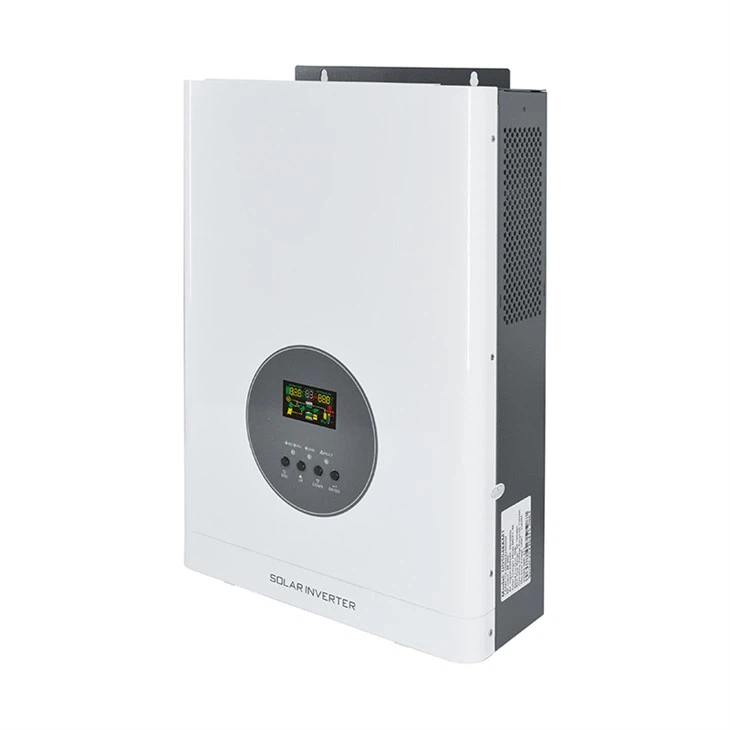
For example, if you live in an area with high electricity rates and abundant sunlight, a hybrid inverter can allow you to store excess solar energy during the day and use it at night, reducing your need to purchase electricity from the grid. Over time, the savings on your electricity bills can add up to a substantial amount, making the investment in a hybrid inverter worthwhile.
Conclusion
The cost of a hybrid inverter can vary widely depending on factors such as power output, efficiency, brand, and features. As a hybrid inverter supplier, I understand that choosing the right inverter for your needs can be a challenging decision. It's important to carefully consider your energy requirements, budget, and long - term goals when selecting a hybrid inverter.
If you're interested in purchasing a hybrid inverter for your residential, commercial, or industrial application, I encourage you to contact me for more information. I can provide you with detailed product specifications, pricing, and installation options. Our team of experts can also assist you in conducting a cost - benefit analysis and choosing the best hybrid inverter for your specific needs. Let's work together to make your renewable energy project a success.
References
- "Solar Inverter Handbook" by Clean Energy Associates
- Industry reports from renewable energy research firms
- Manufacturer's product specifications and datasheets


