Hey there! As a supplier of BTS power systems, I've seen firsthand the importance of integrating different components of these systems effectively. In this blog post, I'll share some tips and insights on how to do just that.
First off, let's talk about why integrating the components of a BTS power system is so crucial. A BTS, or Base Transceiver Station, is a key part of a cellular network. It's responsible for sending and receiving signals to and from mobile devices. The power system for a BTS needs to be reliable, efficient, and able to handle the varying power demands of the station. When different components of the power system aren't integrated properly, it can lead to issues like power outages, equipment damage, and reduced network performance.
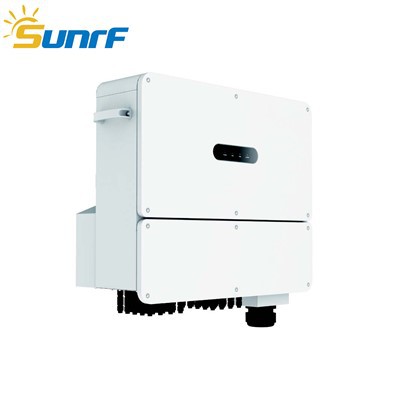
One of the first steps in integrating the components of a BTS power system is to have a clear understanding of the overall system requirements. This includes things like the power capacity needed, the type of power sources available (such as mains electricity, solar power, or batteries), and the environmental conditions where the system will be installed. For example, if you're setting up a BTS in a remote area with limited access to the grid, a 48VDC Outdoor Solar Power System might be a great option. This system can harness solar energy to power the BTS, reducing reliance on traditional power sources.
Once you know the requirements, it's time to choose the right components. There are several key components in a BTS power system, including power supplies, batteries, chargers, and distribution units. Each component needs to be selected based on its compatibility with the other parts of the system and its ability to meet the power demands. For instance, a Modular Base Station Integrated Power System offers a flexible and scalable solution. It allows you to easily add or remove components as the power requirements of the BTS change over time.
Another important aspect of integration is ensuring proper communication between the components. Many modern BTS power systems use intelligent management systems that can monitor and control the different components. These systems can provide real - time data on things like power consumption, battery status, and system temperature. By having all the components communicate effectively, you can optimize the performance of the power system and quickly identify and address any issues.
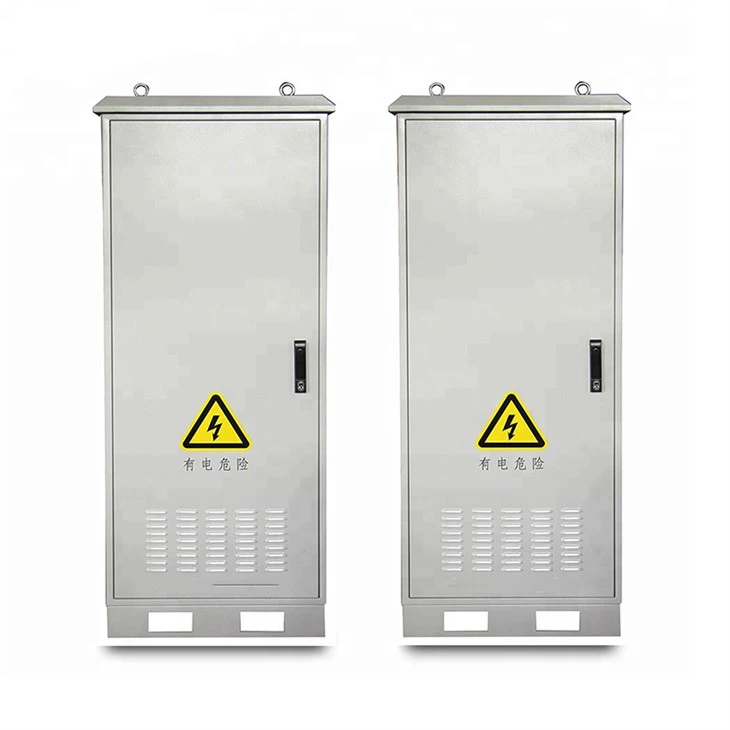
When it comes to installation, it's essential to follow the manufacturer's guidelines. Each component has specific installation requirements, and proper installation is key to ensuring the long - term reliability of the system. For example, the Telecom Power Cabinet needs to be installed in a well - ventilated area to prevent overheating. It also needs to be properly grounded to protect against electrical hazards.
Regular maintenance is also a must for a well - integrated BTS power system. This includes things like checking the battery connections, cleaning the solar panels (if applicable), and updating the management system software. By performing regular maintenance, you can extend the lifespan of the components and reduce the risk of unexpected failures.
Let's also talk about safety. Safety should always be a top priority when integrating and operating a BTS power system. This means using proper personal protective equipment (PPE) during installation and maintenance, following electrical safety standards, and having emergency shutdown procedures in place.
In addition to the technical aspects, it's also important to consider the cost - effectiveness of the integration. You want to find a balance between the upfront cost of the components and the long - term operational costs. For example, while a more expensive power supply might have a higher initial price, it could offer better efficiency and reliability, which can save you money in the long run.
Now, let's look at some common challenges that you might face when integrating BTS power system components. One of the biggest challenges is component compatibility. Different manufacturers may use different standards and interfaces, which can make it difficult to get the components to work together seamlessly. To overcome this, it's a good idea to work with a supplier who has experience in integrating different components and can provide support and guidance.
Another challenge is dealing with power surges and fluctuations. These can occur due to factors like lightning strikes, grid instability, or sudden changes in power demand. To protect the components from damage, you can install surge protectors and voltage regulators in the system.
As a BTS power system supplier, I've worked on many projects where successful integration has made a huge difference. For example, in one project, we integrated a solar power system with a battery backup and a power management system for a BTS in a rural area. The result was a reliable and cost - effective power solution that reduced the dependence on the grid and provided uninterrupted service to the local community.
In conclusion, integrating different components of a BTS power system requires careful planning, the right component selection, proper installation, regular maintenance, and a focus on safety and cost - effectiveness. If you're in the process of setting up or upgrading a BTS power system, I'd love to help. Whether you have questions about component selection, installation, or maintenance, feel free to reach out. We can discuss your specific requirements and come up with a customized solution that meets your needs.

If you're interested in learning more about our BTS power system products or would like to start a procurement discussion, don't hesitate to get in touch. We're here to make sure your BTS power system runs smoothly and efficiently.
References
- Industry standards for BTS power systems
- Manufacturer's documentation for power system components