


In the dynamic landscape of commercial energy solutions, the adoption of advanced technologies has become crucial for businesses aiming to enhance efficiency, reduce costs, and embrace sustainable practices. Among these technologies, three - phase hybrid inverters have emerged as a game - changer, offering a multitude of advantages that make them an ideal choice for commercial settings. As a supplier of three - phase hybrid inverters, I am excited to delve into the numerous benefits that these inverters bring to commercial establishments.
1. Enhanced Energy Efficiency
One of the primary advantages of using a three - phase hybrid inverter in a commercial setting is its ability to significantly improve energy efficiency. Three - phase power systems are inherently more efficient than single - phase systems, as they distribute power more evenly across three conductors. This balanced distribution reduces power losses during transmission and distribution, resulting in less wasted energy.
Hybrid inverters, on the other hand, combine the functions of a traditional inverter with battery storage capabilities. They can intelligently manage the flow of electricity between the solar panels, the battery bank, and the grid. During periods of high solar generation, excess energy can be stored in the batteries instead of being fed back into the grid at a low rate. When the demand for electricity is high or solar generation is low, the stored energy in the batteries can be used to power the commercial facility. This not only reduces the reliance on grid - supplied electricity but also maximizes the utilization of solar energy, leading to substantial energy savings.
For example, a commercial building with a large rooftop solar installation can use a three - phase hybrid inverter to store the surplus solar energy generated during the day. At night or during peak demand hours, the stored energy can be used to power the building's lighting, HVAC systems, and other electrical equipment, reducing the overall electricity bill.
2. Increased Power Output and Stability
Commercial facilities often have high - power demands, requiring a reliable and stable power supply. Three - phase hybrid inverters are designed to handle large amounts of power, making them suitable for commercial applications. They can provide a continuous and stable power output, even when there are fluctuations in the solar generation or grid conditions.
The three - phase configuration allows for a higher power transfer capacity compared to single - phase inverters. This means that commercial buildings can install larger solar arrays and battery banks, increasing the overall power generation and storage capacity. Additionally, three - phase hybrid inverters are equipped with advanced control algorithms that can adjust the power output in real - time to match the load requirements. They can also provide power factor correction, which improves the efficiency of the electrical system and reduces the strain on the grid.
In a manufacturing plant, for instance, a three - phase hybrid inverter can ensure a stable power supply to the heavy machinery, preventing production downtime due to power outages or voltage fluctuations. The ability to store energy in the batteries also provides a backup power source in case of a grid failure, ensuring the continuity of operations.
3. Cost Savings and Return on Investment
Investing in a three - phase hybrid inverter can result in significant cost savings for commercial businesses. As mentioned earlier, the ability to store excess solar energy and use it during peak demand hours reduces the reliance on grid - supplied electricity, leading to lower electricity bills. Over time, these savings can offset the initial investment in the inverter and the battery storage system.
Moreover, many governments and utility companies offer incentives and rebates for commercial establishments that install solar energy systems with battery storage. These incentives can further reduce the upfront cost of the three - phase hybrid inverter and make the investment more financially attractive.
The return on investment (ROI) for a three - phase hybrid inverter can be quite high, especially for commercial businesses with high electricity consumption. By reducing energy costs and increasing the self - consumption of solar energy, the payback period for the inverter and battery system can be relatively short. For example, a commercial property owner who invests in a 30 - 50kw Three Phase Hybrid Inverter can expect to see a significant reduction in their electricity bills within a few years, resulting in a positive ROI.
4. Grid Independence and Resilience
In today's world, power outages and grid disruptions are becoming more common due to various factors such as extreme weather events, aging infrastructure, and cyber - attacks. Commercial businesses are particularly vulnerable to these disruptions, as they can lead to significant financial losses and operational disruptions.
A three - phase hybrid inverter with battery storage provides a degree of grid independence for commercial facilities. During a power outage, the inverter can automatically switch to battery power mode, allowing the business to continue operating without interruption. This is especially important for critical facilities such as hospitals, data centers, and manufacturing plants, where a continuous power supply is essential.
Furthermore, the ability to store energy locally reduces the dependence on the grid, making the commercial establishment more resilient to grid - related issues. In case of a grid failure, the stored energy in the batteries can be used to power essential systems until the grid is restored. This not only protects the business from financial losses but also enhances its reputation for reliability.
5. Flexibility and Scalability
Three - phase hybrid inverters offer a high degree of flexibility and scalability, making them suitable for a wide range of commercial applications. They can be easily integrated with existing solar panels, battery banks, and electrical systems. Whether a commercial building has a small - scale solar installation or a large - scale solar farm, a three - phase hybrid inverter can be customized to meet the specific energy requirements.

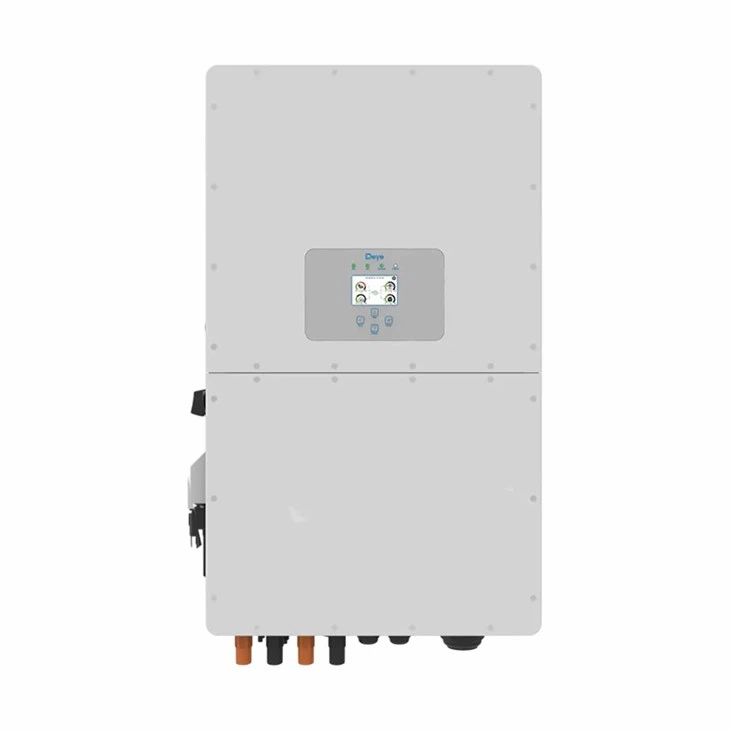
In addition, as the energy needs of a commercial business grow over time, the three - phase hybrid inverter system can be easily expanded. More solar panels can be added to increase the solar generation capacity, and additional battery modules can be installed to increase the storage capacity. This scalability allows commercial businesses to adapt to changing energy demands without having to replace the entire inverter system.
For example, a growing commercial enterprise can start with a small - capacity three - phase hybrid inverter and gradually expand the system as its business expands and the energy demand increases. This flexibility ensures that the investment in the inverter system remains relevant and cost - effective in the long run.
6. Environmental Sustainability
In recent years, there has been a growing emphasis on environmental sustainability in the business world. Commercial businesses are increasingly looking for ways to reduce their carbon footprint and contribute to a greener future. Three - phase hybrid inverters play a crucial role in achieving these goals by promoting the use of renewable energy sources.
By using solar energy to power the commercial facility, businesses can significantly reduce their reliance on fossil - fuel - based electricity. Solar energy is a clean and renewable energy source that produces no greenhouse gas emissions during operation. The battery storage capabilities of the three - phase hybrid inverter further enhance the environmental benefits by enabling the efficient use of solar energy.
For instance, a commercial hotel that installs a SUN - KTL 60 - 110KW Smart Hybrid Inverter for Home Energy System can reduce its carbon emissions by a significant amount. The use of solar energy and the ability to store excess energy in the batteries not only reduces the hotel's environmental impact but also enhances its brand image as an environmentally responsible business.
7. Remote Monitoring and Control
Modern three - phase hybrid inverters are equipped with advanced monitoring and control systems that allow commercial facility managers to remotely monitor and manage the energy system. Through a web - based interface or a mobile app, they can access real - time data on the solar generation, battery status, and grid connection. They can also receive alerts and notifications in case of any system malfunctions or abnormal conditions.
This remote monitoring and control capability provides several benefits. It allows for proactive maintenance of the energy system, reducing the risk of downtime and costly repairs. Facility managers can also analyze the energy consumption patterns and make informed decisions to optimize the energy usage of the commercial facility. For example, they can adjust the settings of the inverter and the battery bank based on the electricity tariffs and the solar generation forecasts to maximize the cost savings.
In conclusion, the advantages of using a three - phase hybrid inverter in a commercial setting are numerous. From enhanced energy efficiency and increased power output to cost savings, grid independence, and environmental sustainability, these inverters offer a comprehensive solution for commercial businesses looking to optimize their energy usage and reduce their operating costs. As a supplier of three - phase hybrid inverters, we are committed to providing high - quality products and services to help commercial clients achieve their energy goals. If you are interested in learning more about our Solar Storage Inverter for Home or other three - phase hybrid inverter solutions, we encourage you to contact us for a detailed consultation and to discuss your specific requirements. We look forward to the opportunity to work with you and help you make the most of renewable energy in your commercial facility.
References
- "Solar Power for Commercial Buildings: A Guide to Design, Installation, and Financing," Solar Energy Industries Association.
- "Battery Energy Storage Systems for Commercial Applications," Department of Energy.
- "Three - Phase Electrical Systems: Principles and Applications," Electrical Engineering Textbooks.


