


Hey there! As a supplier of hybrid inverters, I often get asked about the difference between grid-tied and hybrid grid-tie inverters. It's a topic that's super important for anyone looking to set up a solar power system, so I thought I'd break it down in this blog post.
Grid - Tied Inverters: The Basics
Let's start with grid - tied inverters. These are the most common type of inverters you'll find in solar power setups. A grid - tied inverter, also known as a grid - connected inverter, does exactly what it says on the tin - it ties your solar power system to the electrical grid.
The main job of a grid - tied inverter is to convert the direct current (DC) electricity produced by your solar panels into alternating current (AC) electricity. Why? Well, most of the electrical appliances in our homes and businesses run on AC power. So, once the inverter has done its magic, the AC electricity can be used right away in your property.
If your solar panels are producing more electricity than you're using at that moment, the excess power gets sent back to the grid. In many places, you can get credits on your electricity bill for this surplus energy, a process known as net metering. It's like getting paid for the extra power you're generating!
One of the big advantages of grid - tied inverters is their simplicity. They're relatively easy to install and maintain, and they're usually more affordable compared to other types of inverters. Since they rely on the grid, you don't have to worry about storing excess energy in batteries.
However, grid - tied inverters also have their limitations. The biggest one is that they stop working when the grid goes down. This is for safety reasons. If there's a power outage, the utility company needs to be able to work on the power lines without the risk of getting shocked by electricity from your solar panels. So, even if your solar panels are still producing energy during a blackout, you won't be able to use it with a grid - tied inverter.
Hybrid Grid - Tie Inverters: A Step Up
Now, let's talk about hybrid grid - tie inverters. These are a bit more advanced than grid - tied inverters, and they offer some really cool features.
A hybrid grid - tie inverter can do everything a grid - tied inverter can do. It converts DC power from solar panels into AC power for your home or business, and it can send excess power back to the grid. But the key difference is that it also has the ability to store energy in batteries.
This energy storage capability is a game - changer. During the day, when your solar panels are producing a lot of electricity, the hybrid inverter can charge your batteries with the surplus power. Then, when the sun goes down or during a power outage, you can use the energy stored in the batteries to keep your lights on and your appliances running.
Hybrid inverters give you a lot more control over your energy usage. You can choose to use the stored energy when electricity rates are high, saving you money in the long run. They also provide a level of energy independence. You're not completely at the mercy of the grid, and you can keep your essential devices powered during an outage.
Another advantage of hybrid inverters is their flexibility. They can work in different modes, depending on your needs. For example, you can set it to prioritize using the energy from your solar panels first, then use the grid when needed. Or, you can choose to charge your batteries at night when electricity rates are lower and use that stored energy during the day.
Key Differences Between the Two
Let's summarize the main differences between grid - tied and hybrid grid - tie inverters:
Energy Storage
Grid - tied inverters don't have any energy storage capabilities. They rely on the grid to handle excess energy. On the other hand, hybrid grid - tie inverters can store energy in batteries, giving you power during outages and more control over your energy usage.
Power Outage Performance
As mentioned earlier, grid - tied inverters stop working during a power outage. Hybrid inverters, however, can keep your essential loads running by using the energy stored in the batteries.
Cost
Grid - tied inverters are generally cheaper to buy and install because they don't require a battery system. Hybrid inverters are more expensive due to the added cost of batteries and the more complex technology.
Complexity
Grid - tied inverters are simpler in terms of installation and maintenance. Hybrid inverters are more complex because of the battery system and the additional control features.
Our Hybrid Inverters
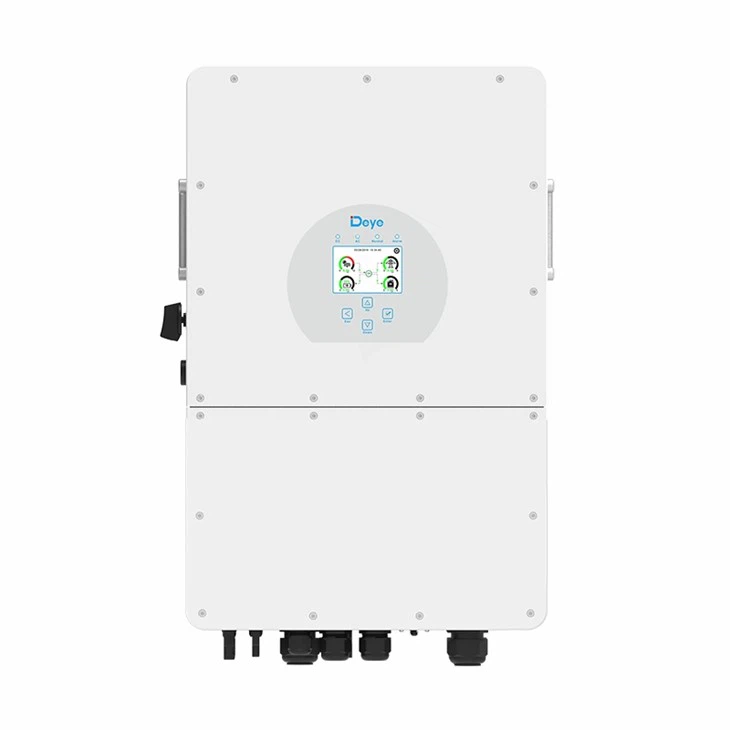
As a hybrid inverter supplier, we offer a range of high - quality products to meet different needs. For example, our Three Phase Hybrid Inverter is great for larger commercial and industrial applications. It can handle three - phase power, which is commonly used in big buildings and factories.
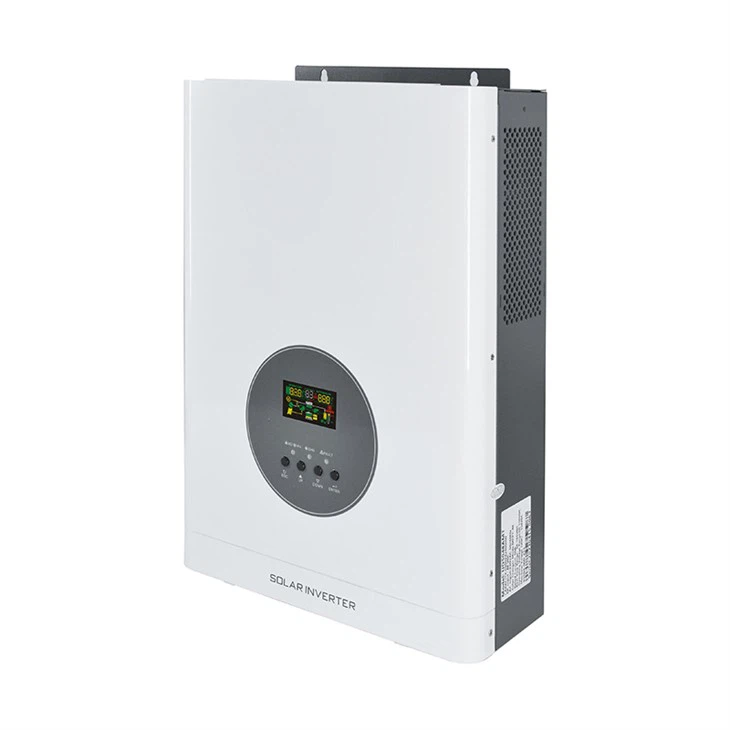
Our Solar Hybrid Inverter is designed specifically for solar power systems. It's efficient at converting solar energy and can work well with different types of solar panels.
And if you're looking for a powerful solution, our 30 - 50kw Three Phase Hybrid Inverter is a great option. It can provide a large amount of power and is suitable for medium to large - scale projects.
Why Choose Our Hybrid Inverters?
We understand that choosing the right inverter is a big decision. That's why we make sure our hybrid inverters are reliable, efficient, and easy to use. Our team of experts is always on hand to help you choose the best product for your specific requirements.
We also offer excellent after - sales support. If you have any questions or run into any issues with your inverter, we're just a call or an email away. We want to make sure you get the most out of your solar power system.
Time to Make a Decision
So, which type of inverter is right for you? If you're on a tight budget and don't mind relying on the grid, a grid - tied inverter might be the way to go. It's a simple and cost - effective solution for most residential and small - scale commercial applications.
But if you want more control over your energy, the ability to use power during outages, and the potential to save more money in the long run, a hybrid grid - tie inverter is a better choice. It's an investment that can pay off in terms of energy independence and cost savings.
If you're interested in learning more about our hybrid inverters or have any questions about the differences between grid - tied and hybrid grid - tie inverters, don't hesitate to get in touch. We're here to help you make the best decision for your solar power needs. Whether you're a homeowner looking to go solar or a business owner wanting to reduce your energy costs, we've got the right solution for you.
References
- Solar Energy Industries Association. (2023). Understanding Solar Inverters.
- International Renewable Energy Agency. (2023). Hybrid Renewable Energy Systems.


