


As a trusted hybrid inverter supplier, I am excited to delve into the fascinating topic of the fault diagnosis function of hybrid inverters. Hybrid inverters play a crucial role in modern energy systems, especially those integrating solar power and energy storage. They are designed to convert direct current (DC) from solar panels or batteries into alternating current (AC) for use in homes or businesses, while also managing the flow of energy between different sources. The fault diagnosis function is an essential feature that ensures the reliable and efficient operation of these inverters.

Understanding the Basics of Fault Diagnosis in Hybrid Inverters
Fault diagnosis in hybrid inverters is a complex process that involves monitoring various parameters and signals within the inverter system. These parameters can include voltage, current, temperature, and frequency. By continuously analyzing these data points, the inverter can detect any deviations from normal operating conditions, which may indicate a fault or potential problem.
One of the primary goals of fault diagnosis is to prevent system failures and minimize downtime. When a fault is detected, the inverter can take immediate action, such as shutting down the affected circuit or issuing an alarm to alert the user. This proactive approach helps to protect the inverter and other components of the energy system from damage, while also ensuring the safety of the users.
Key Components and Techniques for Fault Diagnosis
Sensors and Monitoring Systems
Hybrid inverters are equipped with a variety of sensors that measure different electrical and physical parameters. These sensors provide real-time data to the inverter's control system, which uses this information to monitor the health of the inverter. For example, current sensors can detect abnormal current levels, which may indicate a short circuit or overloading. Temperature sensors can monitor the operating temperature of the inverter's components, such as the power modules and transformers. High temperatures can be a sign of a malfunction or excessive power consumption, and the inverter can adjust its operation accordingly to prevent overheating.
Diagnostic Algorithms
In addition to sensors, hybrid inverters use sophisticated diagnostic algorithms to analyze the data collected from the sensors. These algorithms are designed to identify patterns and anomalies in the data that may indicate a fault. For example, a sudden drop in voltage or an increase in current may be a sign of a problem with the solar panels or the battery. The diagnostic algorithms can compare the current data with historical data and predefined thresholds to determine if a fault has occurred.
Self-Testing and Self-Healing Capabilities
Many modern hybrid inverters have self-testing and self-healing capabilities. Self-testing involves periodically checking the inverter's components and functions to ensure that they are working properly. This can include testing the power switches, the control circuits, and the communication interfaces. If a fault is detected during the self-test, the inverter can attempt to repair itself by reconfiguring its internal circuits or adjusting its operating parameters. For example, if a power switch fails, the inverter may be able to bypass the faulty switch and continue operating using the remaining switches.
Types of Faults Detected by Hybrid Inverters
Electrical Faults
Electrical faults are one of the most common types of faults in hybrid inverters. These can include short circuits, open circuits, overvoltage, and undervoltage. Short circuits occur when there is an unintended connection between two points in the electrical circuit, which can cause a large amount of current to flow and damage the inverter's components. Open circuits, on the other hand, occur when there is a break in the electrical circuit, which can prevent the flow of current. Overvoltage and undervoltage can damage the inverter's components and affect the performance of the energy system. Hybrid inverters are designed to detect these electrical faults and take appropriate action to protect the system.
Thermal Faults
Thermal faults can occur when the inverter's components overheat. This can be caused by a variety of factors, such as high ambient temperatures, excessive power consumption, or a malfunction in the cooling system. Overheating can reduce the efficiency of the inverter and shorten its lifespan. Hybrid inverters use temperature sensors to monitor the operating temperature of the components and can adjust the cooling system or reduce the power output to prevent overheating.
Communication Faults
Communication faults can occur when there is a problem with the communication between the inverter and other components of the energy system, such as the solar panels, the battery, or the monitoring system. These faults can prevent the inverter from receiving or sending data, which can affect the overall performance of the system. Hybrid inverters are designed to detect communication faults and can attempt to re-establish the communication link or issue an alarm to alert the user.
Benefits of the Fault Diagnosis Function
Improved Reliability and Safety
The fault diagnosis function significantly improves the reliability and safety of hybrid inverters. By detecting faults early and taking immediate action, the inverter can prevent system failures and protect the components from damage. This reduces the risk of electrical fires and other safety hazards, ensuring the safety of the users and the property.
Reduced Maintenance Costs
Early fault detection also helps to reduce maintenance costs. When a fault is detected, the user can be notified immediately, allowing them to take corrective action before the problem worsens. This can prevent costly repairs and downtime, as well as extend the lifespan of the inverter.
Enhanced Energy Efficiency
The fault diagnosis function can also improve the energy efficiency of the hybrid inverter. By detecting and correcting faults, the inverter can operate more efficiently, reducing energy losses and improving the overall performance of the energy system.
Our Hybrid Inverter Products and Their Fault Diagnosis Features
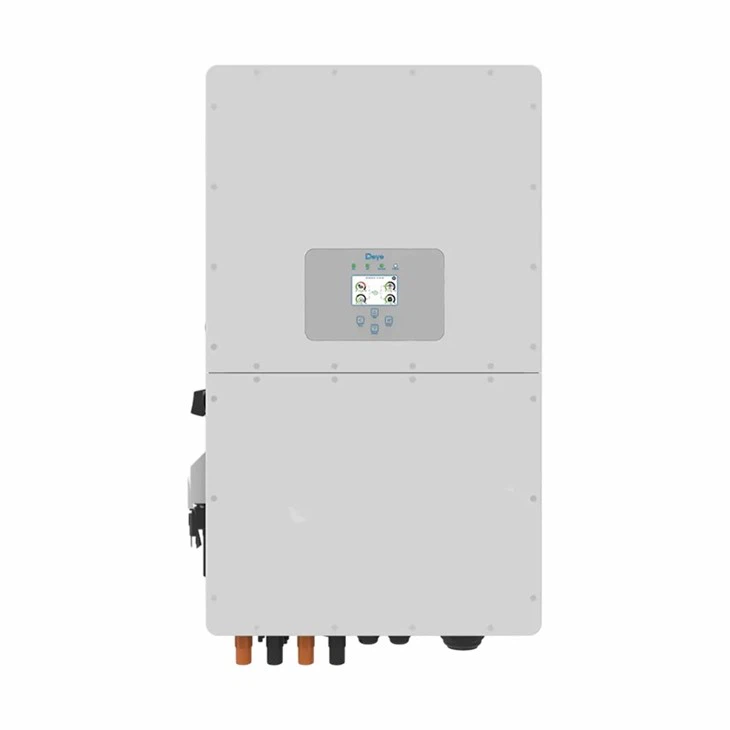
At our company, we offer a wide range of hybrid inverters with advanced fault diagnosis functions. Our 30-50kw Three Phase Hybrid Inverter is designed for commercial and industrial applications. It is equipped with multiple sensors and diagnostic algorithms to ensure reliable and efficient operation. The inverter can detect various types of faults, including electrical, thermal, and communication faults, and can take appropriate action to protect the system.
Our Solar Storage Inverter for Home is specifically designed for residential use. It features a user-friendly interface that allows the user to monitor the health of the inverter and receive real-time alerts in case of a fault. The inverter also has self-testing and self-healing capabilities, which help to minimize downtime and maintenance costs.
The SUN-KTL 60 -110KW Smart Hybrid Inverter for Home Energy System is a high-power inverter that is suitable for larger homes and small businesses. It uses advanced diagnostic techniques to detect and diagnose faults quickly and accurately. The inverter can also communicate with other smart devices in the home energy system, allowing for seamless integration and control.
Conclusion
The fault diagnosis function is an essential feature of hybrid inverters that ensures their reliable and efficient operation. By using sensors, diagnostic algorithms, and self-testing capabilities, hybrid inverters can detect various types of faults and take appropriate action to protect the system. Our company offers a range of hybrid inverters with advanced fault diagnosis functions, which are designed to meet the needs of different applications. If you are interested in our hybrid inverter products or have any questions about fault diagnosis, please feel free to contact us for more information and to discuss your procurement needs.
References
- IEEE Standards Association. (2018). IEEE Guide for the Protection of Power Electronic Converters in Photovoltaic Power Systems.
- International Electrotechnical Commission (IEC). (2016). IEC 62109 - Safety of power converters for use in photovoltaic power systems.
- National Renewable Energy Laboratory (NREL). (2019). Hybrid Inverter Technologies for Distributed Energy Resources.


