


Hey there! As a supplier of hybrid inverters, I often get asked about the isolation types of these nifty devices. So, I thought I'd break it down for you in this blog post.
First off, let's understand what a hybrid inverter is. A hybrid inverter is a key component in a solar power system. It can convert DC (direct current) power from solar panels into AC (alternating current) power for use in your home or business. At the same time, it can also manage the power flow between the solar panels, batteries, and the grid. It's like the traffic cop of your solar energy setup, making sure everything runs smoothly.
Now, onto the main topic: isolation types. There are two main isolation types for hybrid inverters: transformer - isolated and transformer - less.
Transformer - Isolated Hybrid Inverters
Transformer - isolated hybrid inverters use a physical transformer to provide electrical isolation between the input (DC side) and the output (AC side). This transformer is like a safety barrier. It prevents direct electrical connection between the two sides, which can be a huge advantage in terms of safety.
One of the big benefits of transformer - isolated inverters is their ability to handle high - voltage differences. They can step up or step down the voltage as needed, which makes them suitable for a wide range of applications. For example, in some industrial settings where the grid voltage can vary a lot, a transformer - isolated hybrid inverter can ensure stable power output.
Another advantage is the reduction of electrical noise. The transformer acts as a filter, reducing the amount of electrical interference that can be transmitted from the DC side to the AC side. This is especially important in sensitive electronic equipment. If you're using your solar power system to power things like medical devices or high - end audio equipment, a transformer - isolated inverter can help keep the power clean and free of noise.
However, there are also some drawbacks. Transformer - isolated inverters are usually larger and heavier than their transformer - less counterparts. This is because of the physical transformer inside. The size and weight can make installation more difficult and can also limit where you can place the inverter. Additionally, transformers can be less efficient, as they generate some heat during operation. This heat represents a loss of energy, which means that the overall efficiency of the inverter may be slightly lower.
Transformer - Less Hybrid Inverters
Transformer - less hybrid inverters, as the name suggests, don't use a physical transformer for isolation. Instead, they rely on electronic circuits to provide the necessary isolation. These circuits are designed to mimic the function of a transformer without the need for a bulky physical component.
The biggest advantage of transformer - less inverters is their efficiency. Since there's no transformer to generate heat and waste energy, these inverters can convert a higher percentage of the DC power from the solar panels into usable AC power. This means more of the energy you generate from your solar panels can be used, which can save you money in the long run.
They're also much smaller and lighter than transformer - isolated inverters. This makes them easier to install and more flexible in terms of placement. You can mount them in smaller spaces, which is great if you have limited room in your home or business.

But there are some downsides too. Without the physical isolation of a transformer, transformer - less inverters may be more vulnerable to electrical surges and grid faults. They also require more sophisticated electronic protection circuits to ensure safety. In some cases, the lack of a transformer can lead to higher levels of electrical leakage, which may not be ideal in certain applications.
Which One Should You Choose?
The choice between a transformer - isolated and a transformer - less hybrid inverter depends on your specific needs. If safety is your top priority, especially in applications where electrical isolation is crucial, a transformer - isolated inverter might be the way to go. For example, in a residential setting where you have a family and want to ensure the safety of everyone using the electrical system, the extra protection provided by a transformer can be well worth it.
On the other hand, if efficiency and space are your main concerns, a transformer - less inverter could be a better option. If you're looking to maximize the amount of energy you can get from your solar panels and you have limited space for installation, a transformer - less hybrid inverter can offer a great solution.
At our company, we offer a wide range of hybrid inverters to suit different needs. For instance, our Three Phase Hybrid Inverter is available in both transformer - isolated and transformer - less versions. It's designed for commercial and industrial applications, where high - power output and reliable performance are essential.
Another popular product is our SUN - 100/110K - G01 100KW Hybrid Inverter. This high - capacity inverter is suitable for large - scale solar power projects. It offers excellent efficiency and performance, whether you choose the transformer - isolated or transformer - less option.
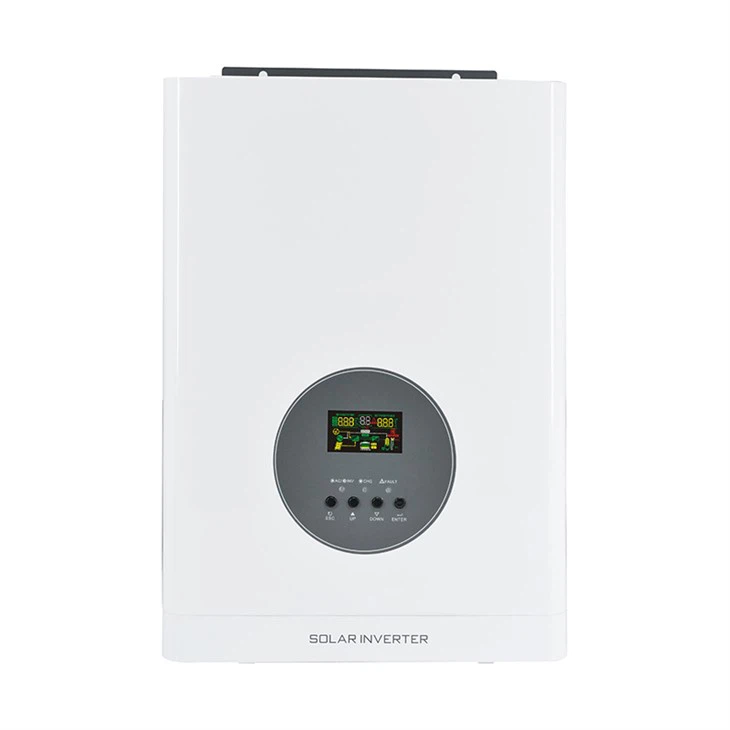
If you're looking for a more general - purpose hybrid inverter for your home, our Solar Hybrid Inverter is a great choice. It's designed to be easy to install and operate, and it comes with all the features you need to make the most of your solar power system.
Contact Us for More Information
If you're still not sure which isolation type is right for you, or if you have any other questions about our hybrid inverters, don't hesitate to get in touch. Our team of experts is always here to help you make the best decision for your solar power needs. Whether you're a homeowner looking to install a small - scale solar system or a business owner planning a large - scale project, we can provide you with the right hybrid inverter and the support you need.
References
- "Solar Inverter Handbook" - A comprehensive guide on solar inverters, including isolation types and their characteristics.
- Industry reports on solar power systems and hybrid inverters, which provide real - world data on the performance and applications of different isolation types.


