


As a supplier of Three Phase Hybrid Inverters Three Phase Hybrid Inverter, I've witnessed firsthand the remarkable adaptability of these devices to different types of loads. In this blog post, I'll delve into the technical aspects of how a three-phase hybrid inverter achieves this feat, exploring the underlying principles and real-world applications.
Understanding Three-Phase Hybrid Inverters
Before we dive into load adaptation, let's briefly understand what a three-phase hybrid inverter is. A three-phase hybrid inverter is a sophisticated device that combines the functions of a traditional inverter with energy storage capabilities. It can convert direct current (DC) from solar panels or batteries into alternating current (AC) suitable for use in a three-phase electrical system. This type of inverter is commonly used in commercial and industrial settings, as well as in large residential installations, where a reliable and efficient power supply is crucial.
Key Features for Load Adaptation
One of the primary features that enable a three-phase hybrid inverter to adapt to different types of loads is its advanced control algorithm. This algorithm continuously monitors the electrical characteristics of the load, such as voltage, current, and power factor, and adjusts the output of the inverter accordingly. For example, if the load requires a higher voltage or current, the inverter can increase its output to meet the demand. Conversely, if the load is light, the inverter can reduce its output to conserve energy.
Another important feature is the inverter's ability to support different types of loads, including resistive, inductive, and capacitive loads. Resistive loads, such as electric heaters and incandescent light bulbs, consume power in a linear manner and have a power factor of 1. Inductive loads, such as motors and transformers, have a lagging power factor and require additional reactive power to operate. Capacitive loads, such as capacitors and some electronic devices, have a leading power factor and can supply reactive power to the system.
A three-phase hybrid inverter can compensate for the reactive power requirements of inductive and capacitive loads, improving the overall power factor of the system. This not only reduces energy losses but also helps to maintain a stable voltage and frequency, which is essential for the proper operation of sensitive electronic equipment.
Adaptive Power Management
In addition to load monitoring and reactive power compensation, a three-phase hybrid inverter also offers adaptive power management capabilities. This means that the inverter can prioritize the use of energy from different sources, such as solar panels, batteries, and the grid, based on the load demand and the availability of energy.
For example, during the day when the sun is shining, the inverter can prioritize the use of solar energy to power the load. Any excess solar energy can be stored in the batteries for later use. At night or during periods of low sunlight, the inverter can draw energy from the batteries or the grid to meet the load demand. This intelligent power management system ensures that the energy is used efficiently and that the load is always supplied with a reliable power source.
Case Study: SUN-100/110K - G01 100KW Hybrid Inverter
To illustrate the adaptability of three-phase hybrid inverters, let's take a look at the SUN-100/110K - G01 100KW Hybrid Inverter. This inverter is designed for large-scale commercial and industrial applications and offers a high level of performance and reliability.
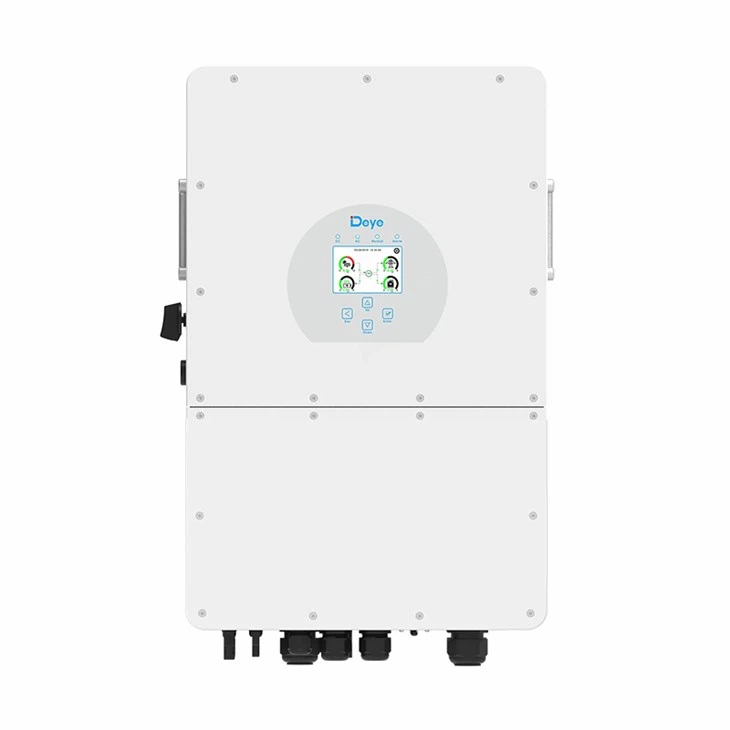
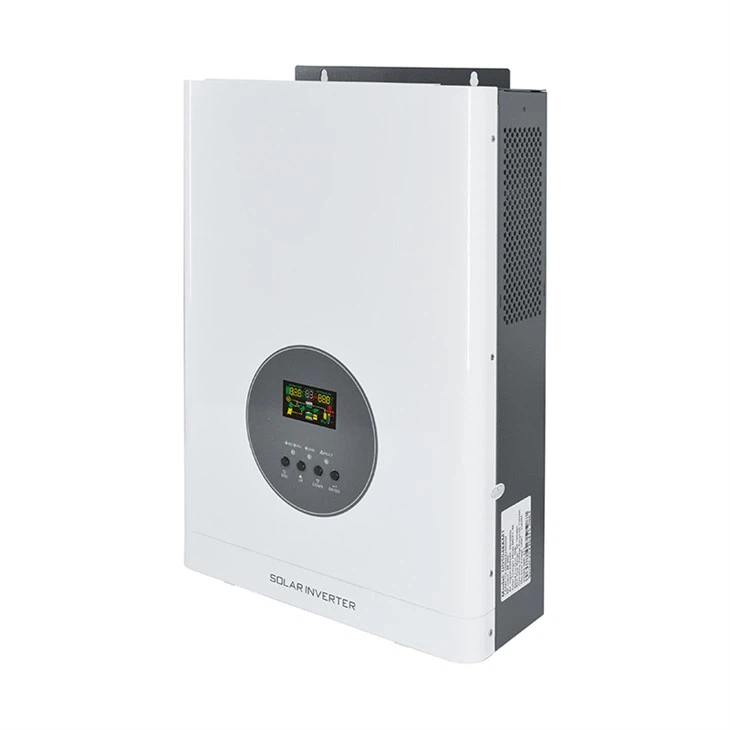
The SUN-100/110K - G01 features a advanced control algorithm that can adapt to different types of loads, including motor loads, lighting loads, and HVAC systems. It also offers a wide range of input and output options, allowing it to be easily integrated into existing electrical systems.
In a recent installation, a manufacturing facility was experiencing power quality issues due to the presence of large motor loads. The SUN-100/110K - G01 was installed to address these issues and improve the overall efficiency of the electrical system. The inverter's reactive power compensation capabilities helped to reduce the voltage fluctuations and improve the power factor, resulting in a more stable and reliable power supply.
Applications in Different Industries
Three-phase hybrid inverters are widely used in a variety of industries, including manufacturing, agriculture, and renewable energy. In the manufacturing industry, these inverters are used to power motors, pumps, and other equipment, ensuring a stable and efficient power supply. In the agriculture industry, they are used to power irrigation systems, lighting, and climate control systems, helping to improve productivity and reduce energy costs.
In the renewable energy industry, three-phase hybrid inverters play a crucial role in integrating solar and wind power into the grid. They can convert the DC power generated by solar panels and wind turbines into AC power that can be used by homes and businesses. They also offer energy storage capabilities, allowing excess energy to be stored for later use, reducing the reliance on the grid and increasing the overall efficiency of the renewable energy system.
Conclusion
In conclusion, a three-phase hybrid inverter is a versatile and powerful device that can adapt to different types of loads. Its advanced control algorithm, reactive power compensation capabilities, and adaptive power management system make it an ideal solution for a wide range of applications. Whether you're a commercial or industrial customer looking to improve the efficiency of your electrical system or a renewable energy developer looking to integrate solar and wind power into the grid, a three-phase hybrid inverter can provide a reliable and cost-effective solution.
If you're interested in learning more about our Three Phase Hybrid Inverters or our Solar Hybrid Inverters, please don't hesitate to contact us. Our team of experts is ready to assist you in finding the right solution for your specific needs.


