


In the era of sustainable energy, solar power systems have emerged as a prominent solution for meeting our electricity needs while reducing environmental impact. Among the crucial components of a solar power system, the hybrid inverter plays a pivotal role. As a hybrid inverter supplier, I am well - versed in the functions and significance of these devices, and I am excited to share this knowledge with you.
Basic Understanding of a Hybrid Inverter
A hybrid inverter is an intelligent device that combines the functions of a traditional solar inverter and a battery charger. In a solar power system, solar panels convert sunlight into direct current (DC) electricity. However, most household and commercial appliances operate on alternating current (AC). This is where the inverter comes in. It converts the DC power generated by the solar panels into AC power, making it usable for our daily electrical needs.
What sets a hybrid inverter apart from a standard solar inverter is its ability to manage energy storage. It can charge batteries using the excess solar energy that is not immediately consumed by the load. This stored energy can then be used during periods when there is no sunlight, such as at night or during cloudy days.
Functions in a Solar Power System
1. Power Conversion
The primary function of a hybrid inverter is to convert DC power from solar panels into AC power. This conversion is essential because most electrical appliances in homes and businesses are designed to run on AC power. The hybrid inverter ensures that the power output is of high quality, with stable voltage and frequency, to safely operate the connected devices.
For example, in a small residential solar power system, the solar panels might generate DC power with a voltage of around 24 - 48 volts. The hybrid inverter will convert this DC power into 120 - 240 volts AC power, depending on the local electrical standards. This allows homeowners to use the solar - generated electricity to power their lights, refrigerators, televisions, and other household appliances.
2. Energy Management
Hybrid inverters are equipped with advanced energy management systems. They can monitor the power generation from the solar panels, the power consumption of the load, and the state of charge of the batteries. Based on this information, the inverter can make intelligent decisions on how to distribute the available energy.
During the day, when the solar panels are producing more power than the load requires, the hybrid inverter will divert the excess power to charge the batteries. This not only maximizes the utilization of solar energy but also provides a reserve of energy for later use. On the other hand, when the solar power generation is insufficient to meet the load demand, the inverter can draw power from the batteries to supplement the grid or provide an off - grid power supply.
3. Grid Interaction
In a grid - connected solar power system, the hybrid inverter can interact with the utility grid. It can export the excess solar power to the grid, allowing the system owner to earn credits or receive payment from the utility company through net metering programs. At the same time, when the solar power and battery storage are insufficient, the inverter can draw power from the grid to meet the load demand.
For instance, in a commercial solar power system, during peak production hours, the hybrid inverter can send the surplus power back to the grid. This not only helps the business reduce its electricity bills but also contributes to the overall stability of the grid by supplying clean energy. When the business has a high power demand at night or during periods of low solar generation, the inverter can draw power from the grid to ensure continuous operation.
4. Battery Charging and Discharging
The hybrid inverter is responsible for charging and discharging the batteries in the solar power system. It uses a specific charging algorithm to ensure that the batteries are charged safely and efficiently. Overcharging or undercharging the batteries can significantly reduce their lifespan and performance.
When charging the batteries, the inverter will adjust the charging current and voltage according to the battery type and state of charge. For example, for lead - acid batteries, the inverter will first apply a constant - current charging mode until the battery reaches a certain voltage, and then switch to a constant - voltage charging mode to fully charge the battery.
During discharging, the inverter will monitor the battery voltage and prevent it from discharging below a safe level. This protects the batteries from damage and ensures that there is always some reserve energy in case of an emergency.
Different Types of Hybrid Inverters and Their Functions
There are various types of hybrid inverters available in the market, each with its own set of features and functions.
Single - Phase Hybrid Inverters
Single - phase hybrid inverters are commonly used in small residential solar power systems. They are designed to work with single - phase electrical grids, which are typically used in most homes. These inverters are relatively compact and easy to install.
They can convert DC power from solar panels into single - phase AC power and manage the energy storage in batteries. For example, a single - phase hybrid inverter can be used in a small cottage or a single - family home to power the basic electrical appliances.
Three - Phase Hybrid Inverters
Three - phase hybrid inverters are suitable for larger commercial and industrial solar power systems. They can handle higher power loads and are more efficient in distributing power. Three - phase electrical systems are commonly used in factories, offices, and large buildings.
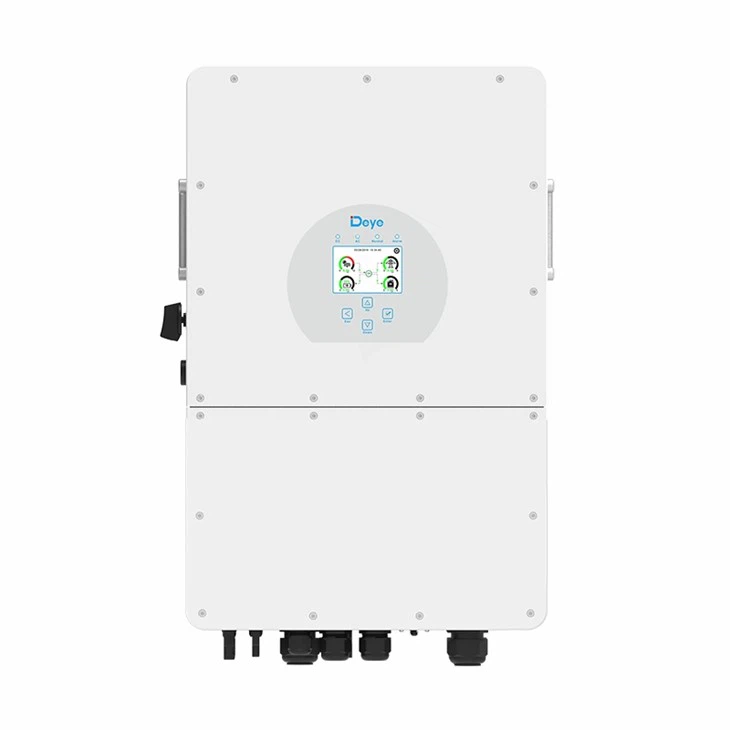
Our company offers a range of high - quality Three Phase Hybrid Inverter. For more powerful applications, we also have 30 - 50kw Three Phase Hybrid Inverter. These inverters can convert large amounts of DC power from solar panels into three - phase AC power and effectively manage the energy storage and distribution in large - scale solar power systems.
Smart Hybrid Inverters
Smart hybrid inverters are the latest innovation in the field of solar power systems. They are equipped with advanced communication and control features. These inverters can be connected to the internet, allowing users to monitor and control the solar power system remotely through a smartphone app or a web - based platform.
Our SUN - KTL 60 - 110KW Smart Hybrid Inverter for Home Energy System is a prime example of a smart hybrid inverter. It provides real - time data on power generation, energy consumption, and battery status. Users can also set different operation modes, such as self - consumption mode or grid - export mode, according to their energy needs and preferences.
Benefits of Using a Hybrid Inverter in a Solar Power System
1. Energy Independence
By storing excess solar energy in batteries, hybrid inverters allow users to become more energy - independent. They can rely less on the utility grid, especially during peak electricity demand periods when the grid may be unstable or the electricity prices are high.
For example, in areas with frequent power outages, a solar power system with a hybrid inverter and battery storage can provide a reliable source of electricity. Homeowners and businesses can continue to operate their essential appliances and equipment even when the grid is down.
2. Cost Savings
Hybrid inverters can help users save on their electricity bills. By using the stored solar energy during periods of high electricity prices, users can avoid purchasing expensive grid - supplied electricity. Additionally, in some regions, users can earn money by exporting excess solar power to the grid through net metering programs.
3. Environmental Sustainability
Using a hybrid inverter in a solar power system contributes to environmental sustainability. Solar energy is a clean and renewable energy source. By maximizing the use of solar energy and reducing the reliance on fossil - fuel - based electricity, we can reduce greenhouse gas emissions and combat climate change.

Conclusion
In conclusion, the hybrid inverter is a crucial component in a solar power system. Its functions of power conversion, energy management, grid interaction, and battery charging and discharging are essential for the efficient and reliable operation of the system.
As a hybrid inverter supplier, we are committed to providing high - quality products that meet the diverse needs of our customers. Whether you are a homeowner looking to install a small residential solar power system or a business owner planning a large - scale commercial solar project, we have the right hybrid inverter for you.
If you are interested in purchasing a hybrid inverter for your solar power system, we invite you to contact us for more information and to discuss your specific requirements. Our team of experts will be happy to assist you in selecting the most suitable inverter and providing professional installation and after - sales services.
References
- International Renewable Energy Agency (IRENA). "Renewable Power Generation Costs in 2020".
- Solar Energy Industries Association (SEIA). "Solar Market Insight Report".
- IEEE Transactions on Power Electronics. Various articles on inverter technology and solar power systems.


