


As a seasoned hybrid inverter supplier, I've encountered numerous inquiries regarding the communication distance of our hybrid inverters. The communication distance is a crucial factor that impacts the system's efficiency, reliability, and overall performance. In this blog, I'll delve into the concept of communication distance in hybrid inverters, its influencing factors, and the implications for various applications.
Understanding Hybrid Inverters
Before we discuss the communication distance, it's essential to understand what a hybrid inverter is. A hybrid inverter is a device that integrates the functions of a solar inverter and a battery charger. It can convert direct current (DC) from solar panels or batteries into alternating current (AC) for use in homes or businesses. Additionally, it can manage the flow of energy between the solar panels, batteries, and the grid, allowing for efficient energy storage and utilization.
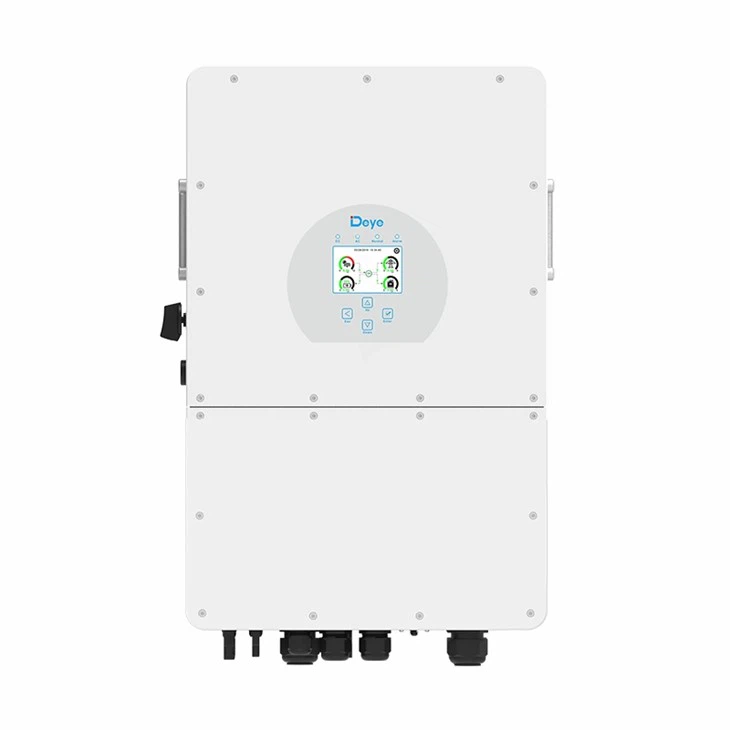
Our company offers a wide range of hybrid inverters, including the Three Phase Hybrid Inverter, the SUN-KTL 60 -110KW Smart Hybrid Inverter for Home Energy System, and the SUN-100/110K - G01 100KW Hybrid Inverter. These inverters are designed to meet the diverse needs of our customers, from small residential installations to large commercial projects.
What is Communication Distance in Hybrid Inverters?
Communication distance refers to the maximum distance over which a hybrid inverter can effectively communicate with other devices in the energy system, such as solar panels, batteries, monitoring systems, and the grid. This communication is essential for the inverter to manage the energy flow, monitor the system status, and optimize the performance of the entire energy system.
The communication between the hybrid inverter and other devices is typically achieved through various communication protocols, such as Modbus, CAN bus, RS485, and Wi-Fi. Each protocol has its own characteristics and limitations, which can affect the communication distance.
Factors Affecting Communication Distance
Several factors can influence the communication distance of a hybrid inverter. Understanding these factors is crucial for designing an efficient and reliable energy system.
Communication Protocol
Different communication protocols have different maximum communication distances. For example, Modbus over RS485 can typically support a communication distance of up to 1200 meters, while Wi-Fi communication is limited to a few tens of meters in a typical indoor environment. The choice of communication protocol depends on the specific requirements of the energy system, such as the distance between the inverter and other devices, the data transfer rate, and the level of interference.
Signal Strength
The strength of the communication signal is another important factor. A stronger signal can travel a longer distance without significant degradation. Factors that can affect the signal strength include the power output of the communication module in the inverter, the quality of the communication cables or antennas, and the presence of obstacles or interference in the signal path.
Environmental Conditions
Environmental conditions can also have a significant impact on the communication distance. For example, electromagnetic interference (EMI) from other electrical devices, radio frequency interference (RFI) from nearby radio transmitters, and physical obstacles such as walls and metal structures can weaken the communication signal and reduce the effective communication distance.
Device Configuration
The configuration of the devices in the energy system can also affect the communication distance. For example, the number of devices connected to the communication network, the data transfer rate, and the communication settings of each device can all influence the overall performance of the communication system.
Implications for Different Applications
The communication distance of a hybrid inverter has different implications for various applications.
Residential Applications
In residential applications, the communication distance is usually not a major concern. Most residential energy systems are relatively small, and the distance between the inverter, solar panels, and batteries is typically within a few meters. In this case, Wi-Fi communication may be sufficient for monitoring and controlling the energy system. Our SUN-KTL 60 -110KW Smart Hybrid Inverter for Home Energy System is equipped with advanced communication features, allowing homeowners to easily monitor and manage their energy consumption using a smartphone or a computer.
Commercial and Industrial Applications
In commercial and industrial applications, the communication distance can be a critical factor. These applications often involve larger energy systems with multiple inverters, solar panels, and batteries located over a wide area. In this case, a communication protocol with a longer range, such as Modbus over RS485, may be required. Our Three Phase Hybrid Inverter and SUN-100/110K - G01 100KW Hybrid Inverter are designed to support long-distance communication, ensuring reliable operation of large-scale energy systems.
Remote and Off-Grid Applications
In remote and off-grid applications, the communication distance is even more important. These applications often involve energy systems located in remote areas where there is limited or no access to the grid. In this case, the inverter may need to communicate with a remote monitoring system over a long distance. Satellite communication or long-range wireless communication technologies may be used to achieve this.
Maximizing Communication Distance
To maximize the communication distance of a hybrid inverter, several measures can be taken.
Choose the Right Communication Protocol
Select a communication protocol that is suitable for the specific requirements of the energy system. Consider factors such as the distance between the inverter and other devices, the data transfer rate, and the level of interference.
Improve Signal Strength
Use high-quality communication cables and antennas to improve the signal strength. Ensure that the communication module in the inverter has sufficient power output. Avoid placing the inverter and other communication devices near sources of electromagnetic or radio frequency interference.
Optimize Device Configuration
Configure the devices in the energy system properly to ensure efficient communication. This may include adjusting the communication settings, reducing the data transfer rate if necessary, and limiting the number of devices connected to the communication network.
Conclusion
The communication distance of a hybrid inverter is a critical factor that affects the performance and reliability of an energy system. By understanding the factors that influence the communication distance and taking appropriate measures to maximize it, we can ensure that our hybrid inverters provide efficient and reliable communication in various applications.
If you are interested in our hybrid inverters or have any questions about the communication distance or other technical aspects, please feel free to contact us for a detailed discussion and potential procurement. Our team of experts is ready to assist you in finding the most suitable solution for your energy needs.

References
- "Solar Inverter Handbook" by Dr. Martin R. Green
- "Energy Storage Systems: Design and Analysis" by Dr. Robert L. Kirtley Jr.
- Technical documentation of our hybrid inverters.


